

 News
News  Coin Information
  About us
  Customer Service


 Add as a preferred source on Google

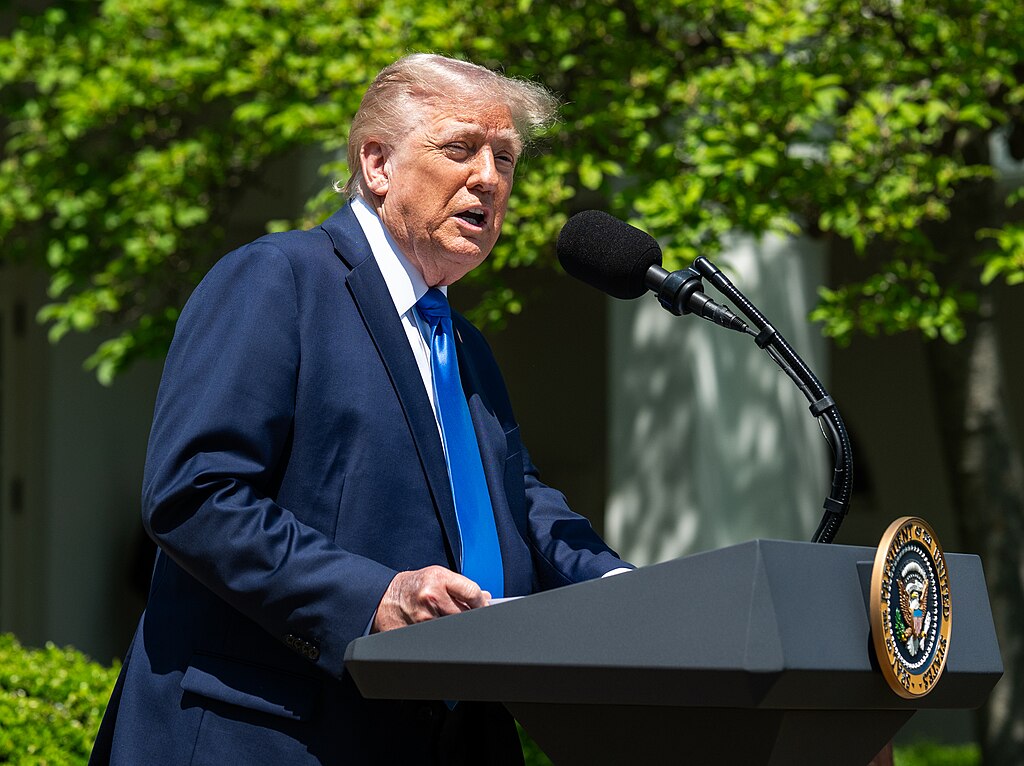
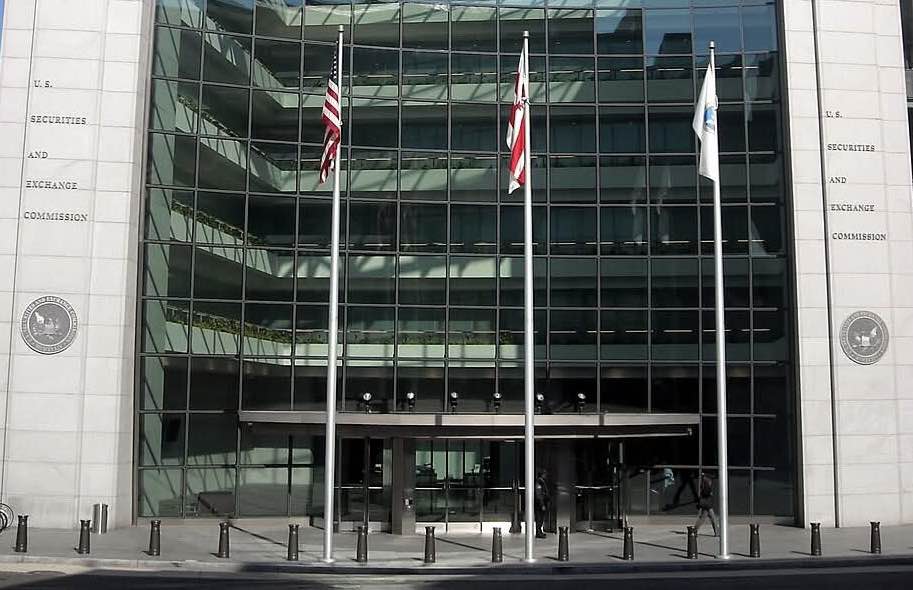
The U.S. Securities and Exchange Commission (SEC) has issued a sweeping new digital-asset regulatory interpretation that market participants say could mark a decisive shift away from years of enforcement-driven ambiguity—while Washington lawmakers simultaneously moved closer to resolving a key dispute over stablecoin yields.
According to Galaxy Research head Alex Thorn, the SEC’s newly adopted guidance “redefines the boundaries” of digital-asset oversight and provides a clearer framework for issuers, exchanges, and institutional investors. Crucially, the SEC document—approved through a commission-wide vote—replaces the agency’s 2019-era, Howey-focused ‘investment contract’ analysis playbook with a 2026 standard designed to classify crypto assets by function and regulatory treatment.
Under the new approach, the SEC categorizes digital assets into five groups: ‘digital commodities,’ ‘digital collectibles,’ ‘digital utilities,’ stablecoins, and ‘digital securities/tokenized securities.’ Only the final category is treated as a security under federal securities laws, meaning it must be registered with the SEC or qualify for an exemption.
Thorn argued the guidance signals an end to what he described as the prior regime’s “hostile and vague” posture and a pivot toward a more structured system that better accommodates industry development. The new document also clarifies that non-security digital assets can trade freely on secondary markets once an issuer has completed the core managerial tasks it publicly committed to—without later being reclassified as securities simply because they continue to trade.
In another major change, the SEC effectively drops the long-debated concept of ‘sufficient decentralization’ as a decisive standard. Instead, it anchors analysis around whether there remains an active set of issuer-promised, material managerial or operational obligations that could shape the asset’s value proposition.
The guidance also includes a ‘safe harbor’ stating that activities such as airdrops, mining, and staking are generally not treated as securities transactions, reducing legal uncertainty around common on-chain behaviors. Additionally, the SEC narrowed the ‘Efforts of Others’ prong by focusing on the issuer’s core commitments—excluding factors such as third-party trading speculation or community commentary from securities-status determinations.
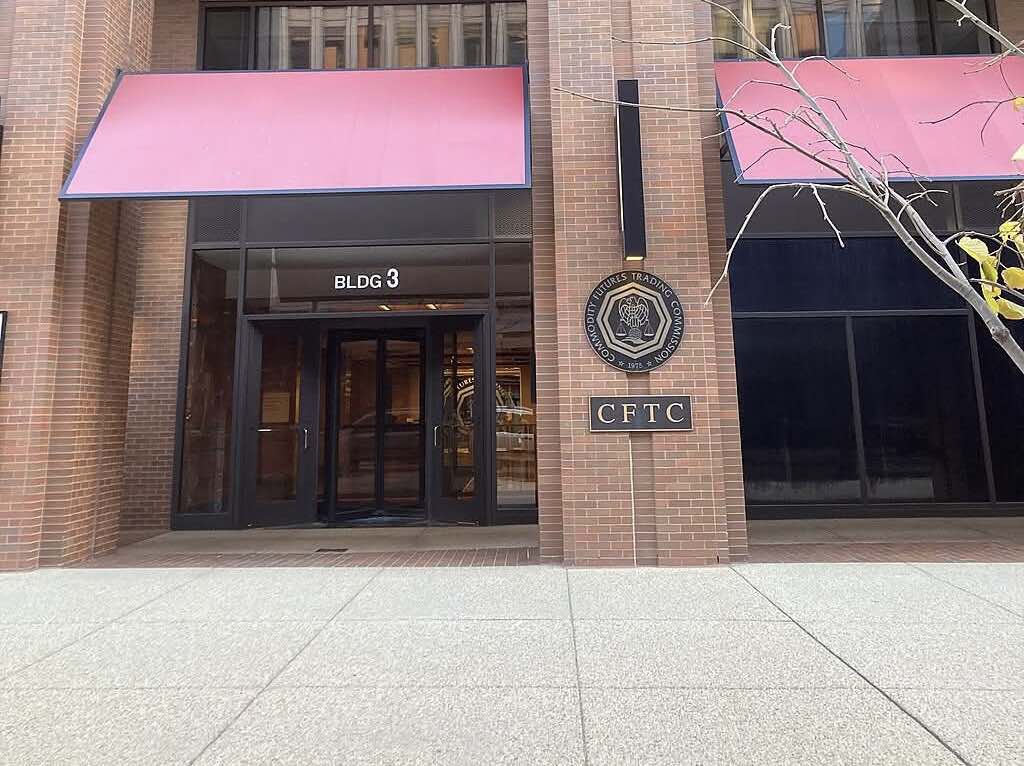
Notably, the SEC said the guidance was released jointly with the U.S. Commodity Futures Trading Commission (CFTC), with the CFTC indicating it will align with the SEC’s interpretation that non-security digital assets fall under the ‘commodity’ umbrella. Thorn said the move improves predictability for capital allocation and could accelerate ‘institutional demand’ as crypto assets integrate more deeply into U.S. capital markets, though he cautioned that policy direction could still shift with changes in SEC leadership. He added that passage of the industry-backed ‘CLARITY’ market-structure bill would further solidify a long-term legal foundation for Bitcoin (BTC) and other major cryptocurrencies in the U.S.
Separately, Politico reported that key U.S. senators and the White House have reached an understanding on how stablecoin ‘interest’ or yield mechanisms should be handled—an issue that has become a central political and regulatory bottleneck. The economics of stablecoin yield, including how revenue is shared among issuers, banks, asset managers, and token holders, has been one of the most contentious points in broader market-structure negotiations. Observers see the emerging consensus as a potential breakthrough that could help stalled crypto legislation regain momentum.
Beyond policy, several market developments drew attention this week. On-chain analyst Maartunn reported via CryptoQuant that Galaxy Digital appears to have moved and sold roughly 700 BTC recently, after shifting more than 1,346 BTC over several hours on March 17. He estimated cumulative outflows may now exceed 2,000 BTC, fueling speculation that additional institutional selling could add to near-term volatility.
Research firm 10x Research said the market has entered a ‘key inflection point,’ with Bitcoin holding major support while altcoins quietly begin to drive performance. The firm highlighted Ethereum (ETH) on signs of rising institutional accumulation and protocol-upgrade momentum, and Solana (SOL) on ETF-related inflow narratives. It described Ripple (XRP) as supported by retail demand and expanding use cases, while warning BNB faces short-term pressure despite longer-term upside tied to real-world asset (RWA) initiatives. Tron (TRON) was cited for growing payments activity, stablecoin demand, and reported whale accumulation. With Bitcoin dominance trending lower, 10x Research said returns increasingly depend on tactical positioning rather than directional conviction, especially in what it characterized as a market behaving closer to a ‘bear-market environment.’
In U.S. exchange news, Coinbase (COIN) expanded token access for New York residents, enabling trading for Aethir (ATH), Raydium (RAY), PolySwarm (NCT), and Starknet (STRK). New York’s stricter regulatory regime has historically limited listings, so the move could broaden liquidity and accessibility for these assets in the U.S. market.
ETF activity also accelerated. Grayscale said it has filed an S-1 registration statement with the SEC for a Hyperliquid (Hyperliquid) token HYPE-tracking fund, the ‘Grayscale HYPE ETF,’ which it intends to list on Nasdaq under the ticker ‘GHYP’ if approved. Coinbase Custody is named as custodian, and CoinDesk benchmark data will be used for pricing. The filing notes staking is not currently permitted but could be considered later if requirements are met. The application follows earlier filings for similar products by 21Shares and Bitwise.
Meanwhile, the SEC approved Nasdaq’s framework for trading tokenized securities, allowing certain listed stocks and ETFs to be issued and traded as blockchain-based tokens while preserving the existing market structure. Under the model, investors would hold tokenized securities in digital wallets, while clearing and settlement would still run through the Depository Trust & Clearing Corporation (DTCC). Nasdaq said it plans to work with Kraken to distribute tokenized stock products globally. Kraken’s tokenized equities initiative xStocks, represented by Val Gui, called it a signal that the $126 trillion global equities market is beginning a migration toward blockchain rails—though legal experts stress the shift is primarily about modernizing ownership records rather than rewriting the role of brokers and central clearing.
Security risks remained a parallel theme. Google Threat Intelligence reported identifying ‘Ghostblade,’ an iOS-targeting crypto-theft malware tied to a browser-based exploit toolkit called ‘DarkSword.’ Google said the JavaScript-based malware rapidly collects and exfiltrates sensitive data—including private keys and other wallet credentials—then attempts to evade detection by limiting persistent execution and deleting crash reports that could alert Apple. The malware is also believed capable of accessing messaging data from iMessage, Telegram, and WhatsApp, as well as SIM details, identity information, media files, location data, and device settings.
Onchain security firm Nominis said February crypto losses fell to $49 million from $385 million in January, but warned the decline does not necessarily reflect a safer environment. Instead, Nominis said attackers are increasingly shifting away from smart-contract exploits toward user-compromise tactics such as phishing and ‘wallet poisoning,’ often using disguised URLs and malware infections to capture keys and drain funds.
Finally, corporate Bitcoin accumulation narratives continued to influence sentiment. Bitcoin Magazine reported that Michael Saylor’s Bitcoin acquisition team is continuing to buy BTC through STRC, reinforcing perceptions that long-horizon institutional and high-net-worth demand remains resilient even amid policy transitions and uneven market liquidity.
Taken together, the week’s developments underscore a market in transition: regulators are moving toward clearer classification rules and tokenization pathways, lawmakers are negotiating the financial plumbing of stablecoins, and investors are reassessing positioning as liquidity, security risks, and institutional flows reshape the crypto landscape.
🔎 Market Interpretation
{
"Regulatory Regime Shift": [
"SEC adopts commission-voted, function-based crypto classification (replacing the 2019 Howey-centric playbook) to reduce enforcement-era ambiguity.",
"Five asset buckets introduced: digital commodities, digital collectibles, digital utilities, stablecoins, and digital securities/tokenized securities—only the last category is presumptively under securities-law registration/exemption requirements.",
"‘Sufficient decentralization’ is deprioritized; the key test becomes whether issuers still owe material, promised managerial/operational commitments that shape the asset’s value proposition.",
"Secondary-market clarity: non-security assets can continue trading once issuers complete core publicly committed tasks without being re-tagged as securities solely due to ongoing trading activity.",
"Safe-harbor posture: airdrops/mining/staking generally not treated as securities transactions, and ‘Efforts of Others’ analysis narrows to issuer commitments (excluding community hype and third-party speculation)."
],
"Inter-Agency Alignment": [
"Guidance framed as joint with the CFTC; CFTC signals non-security digital assets should be treated under the commodity umbrella, improving jurisdictional predictability."
],
"Stablecoin Policy Breakthrough": [
"White House and key senators reportedly reach an understanding on stablecoin yield/‘interest’ mechanics—a major bottleneck for broader crypto legislation.",
"Yield economics (revenue split among issuers, banks, asset managers, token holders) remains politically sensitive but is trending toward resolution, potentially reviving stalled bills."
],
"Market & Product Signals": [
"BTC flow watch: Galaxy Digital-linked movements/sales estimated at 700 BTC recently, with cumulative outflows speculated above 2,000 BTC—raising near-term volatility risk.",
"10x Research flags an inflection point: BTC holds support while altcoins begin driving returns; positioning becomes more tactical amid a ‘bear-market-like’ backdrop.",
"NY access expands: Coinbase enables NY trading for ATH, RAY, NCT, STRK—material because NY historically constrains listings and liquidity.",
"ETF momentum: Grayscale files for a HYPE-tracking ETF (GHYP) with Coinbase Custody; staking not permitted initially but may be considered later.",
"Tokenized securities advance: SEC approves Nasdaq framework for tokenized stocks/ETFs with DTCC clearing/settlement preserved—tokenization modernizes ownership/recordkeeping more than it replaces brokers/central clearing."
],
"Security Backdrop": [
"Google identifies ‘Ghostblade’ iOS crypto-theft malware tied to ‘DarkSword’ exploit tooling; focuses on exfiltrating keys/credentials and evading detection.",
"Nominis notes Feb losses down to $49M vs $385M in Jan, but warns threat mix is shifting from smart-contract exploits to user-compromise (phishing, wallet poisoning, malware)."
],
"Institutional/Corporate Narrative": [
"Bitcoin accumulation theme persists via Michael Saylor-linked purchases through STRC, supporting the ‘sticky’ long-horizon demand narrative despite policy and liquidity shifts.",
"Alex Thorn cautions regulatory direction could still change with SEC leadership; passage of the CLARITY market-structure bill would further cement long-term footing."
]
}
💡 Strategic Points
{
"For Token Issuers": [
"Map your asset to the SEC’s five buckets and document why it is (or isn’t) a ‘digital security/tokenized security.’",
"Inventory and time-box ‘issuer-promised’ commitments; completion of core commitments is now central to supporting non-security secondary-market trading.",
"Reframe disclosures around ongoing managerial obligations rather than relying on ‘decentralization’ arguments alone.",
"If using staking/airdrops, align program design with the safe-harbor framing (avoid issuer-controlled promises that resemble profit-seeking managerial commitments)."
],
"For Exchanges/Brokers/Platforms": [
"Segment listing and surveillance policies by the five categories; treat the ‘digital securities/tokenized securities’ lane with registration/exemption and enhanced controls.",
"Prepare for CFTC-style commodity compliance expectations on non-security assets as inter-agency alignment tightens.",
"NY expansion indicates incremental state-level opening—optimize liquidity plans for newly accessible markets while staying within state-by-state constraints."
],
"For Investors/Asset Managers": [
"Base legal-risk underwriting on whether an issuer has ongoing material commitments (not social sentiment or third-party trading), and monitor milestone completion.",
"Expect near-term volatility from visible institutional BTC flows; consider hedging/position sizing around large on-chain outflows.",
"In an ‘altcoins drive beta’ phase with lower BTC dominance, rotate tactically: monitor ETH accumulation/upgrade catalysts, SOL ETF narrative sensitivity, and chain-specific user/payment growth (e.g., TRON stablecoin usage)."
],
"For Stablecoin Stakeholders": [
"Model multiple yield-sharing structures (issuer vs partner banks/asset managers vs holders) and stress-test for political constraints—this is the legislation hinge point.",
"If yield is offered, prepare for heightened scrutiny on whether it resembles a security-like arrangement versus a payments/settlement product feature."
],
"For Security & Risk Teams": [
"Prioritize endpoint and user-compromise defenses (mobile malware controls, phishing-resistant auth, URL/contract allowlists) as attackers shift away from pure contract exploits.",
"Assume iOS is a target: implement mobile threat detection, restrict sideloading profiles, and harden key storage operationally (hardware wallets, passkeys, minimized hot-wallet exposure)."
],
"Market-Structure Watchlist": [
"Track SEC leadership changes and the CLARITY bill trajectory as key variables that can reinforce—or reverse—regulatory predictability.",
"Tokenized securities path suggests ‘rails modernization’ first: expect gradual adoption where DTCC and existing market plumbing remain, limiting near-term disintermediation."
]
}
📘 Glossary
{
"Howey Test": "A U.S. legal framework used to determine whether an arrangement is an ‘investment contract’ (and thus a security).",
"Investment Contract Analysis (2019-era)": "Prior SEC approach emphasizing Howey factors for token classification; described here as being replaced by a function-based standard.",
"Digital Commodities": "Non-security digital assets framed to fall under commodity-style oversight (aligned with CFTC’s perspective).",
"Digital Collectibles": "NFT-like assets primarily valued for uniqueness/collectibility rather than issuer managerial promises.",
"Digital Utilities": "Tokens used mainly for access/usage within a network or application, where value does not depend on ongoing issuer commitments.",
"Stablecoins": "Tokens designed to maintain a stable value (often pegged to fiat) used for payments/settlement; policy debate centers on yield/interest features.",
"Digital Securities / Tokenized Securities": "Tokens that represent securities or meet securities definitions; subject to registration or exemption under federal securities laws.",
"Sufficient Decentralization": "A prior commonly debated concept implying a network is decentralized enough to reduce reliance on a central promoter; the new guidance deemphasizes it.",
"Efforts of Others": "A Howey element assessing whether profits depend on others’ managerial efforts; narrowed here to the issuer’s core commitments.",
"Safe Harbor": "A policy stance offering reduced enforcement risk for specified behaviors (here: airdrops, mining, staking) when conditions are met.",
"Secondary Market": "Trading of an asset between market participants after initial issuance (e.g., exchange trading).",
"S-1 Registration Statement": "SEC filing required to register securities offerings (often used for ETFs) describing structure, risks, and operations.",
"Custodian (e.g., Coinbase Custody)": "An institution that safeguards digital assets for funds/ETFs under regulated custody standards.",
"DTCC": "U.S. post-trade infrastructure provider for clearing/settlement; in the Nasdaq tokenization model, DTCC processes remain in place.",
"Tokenized Securities": "Traditional securities issued/traded as blockchain-based tokens, primarily modernizing ownership records while preserving core market plumbing.",
"Airdrop": "Distribution of tokens to users (often for adoption/marketing/incentives).",
"Staking": "Locking tokens to support network operations and potentially receive rewards.",
"Wallet Poisoning": "A scam where attackers seed deceptive addresses/transactions so victims mistakenly send funds to the wrong address.",
"Bitcoin Dominance": "Bitcoin’s share of total crypto market capitalization; declines often coincide with stronger relative altcoin performance.",
"RWA (Real-World Assets)": "Tokenized representations of off-chain assets (e.g., bonds, funds, commodities) on blockchain rails.",
"CLARITY Bill": "A referenced market-structure proposal intended to clarify U.S. legal treatment and oversight boundaries for digital assets."
}


















Comment 0