

 News
News  Coin Information
  About us
  Customer Service


 Add as a preferred source on Google
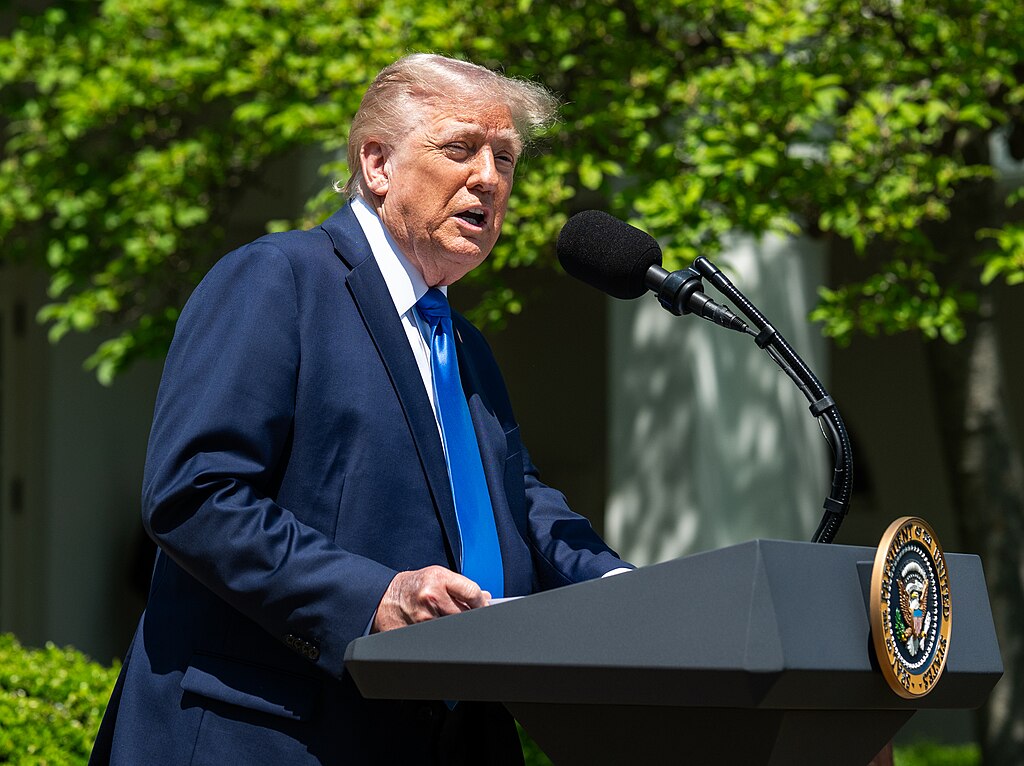
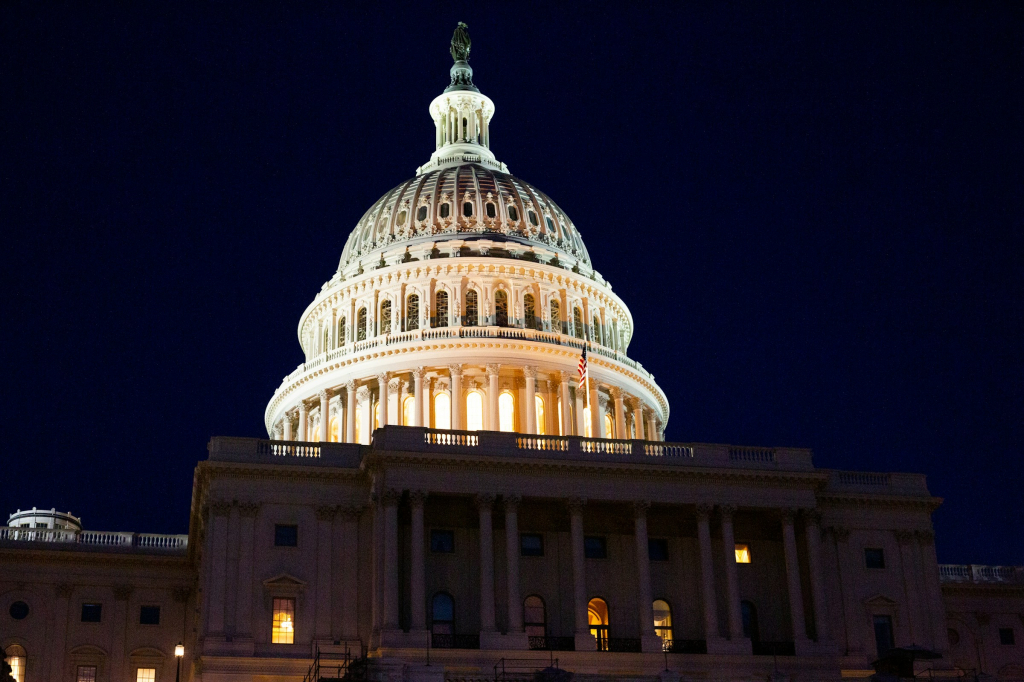
The U.S. House of Representatives is set to hold a hearing this week focused on ‘tokenization’ and the future of securities markets, underscoring Washington’s growing push to define how Bitcoin (BTC) and other digital assets fit into the traditional regulatory perimeter.
The hearing, organized by the House Financial Services Committee, is titled “Tokenization & The Future of Securities: Modernizing Our Capital Markets” and will examine how tokenized products and digital assets could reshape market structure and oversight. The session comes as policymakers and industry participants intensify calls for clearer rules on when digital assets qualify as securities, commodities, or a separate category—questions that have become central to U.S. crypto legislation and enforcement debates.
Market participants are watching closely because congressional hearings can set the tone for forthcoming bills, influence agency priorities, and signal whether bipartisan traction is building around ‘regulatory clarity’. While hearings do not change law on their own, they often preview the arguments regulators and lawmakers will rely on when drafting frameworks for custody, disclosures, secondary trading, and broker-dealer obligations tied to tokenized securities.
Macro commentary also continued to shape crypto sentiment. BitMEX co-founder Arthur Hayes said in an interview with Cointelegraph that Bitcoin behaves like a ‘liquidity smoke alarm’—an asset that can reflect stress in credit conditions before it becomes obvious in the real economy. Hayes argued that risk assets could sell off ahead of a more visible deterioration in employment or banking fundamentals, pointing to the possibility that investors could preemptively dump regional bank stocks if fear takes hold.
Hayes added that major central banks may be reluctant to inject fresh liquidity until a crisis is unmistakable, suggesting policymakers could wait for clearer signs of financial-system strain. In that scenario, he said, markets may need to fall before a policy-driven rebound becomes possible—implying BTC could face near-term pressure if liquidity tightens, but potentially regain strength if central banks ultimately pivot back toward easing.
On the adoption front, Mastercard ($MA) released a promotional video highlighting what a prominent crypto commentator described as more than 100 Bitcoin- and crypto-related partner programs. The messaging reflects a broader shift among incumbent financial brands: rather than treating crypto as a fringe product, major payments firms are increasingly positioning it as an integration layer—through card-linked spending, settlement partnerships, and security tooling—while leaving much of the asset exposure and compliance burden to exchanges and regulated intermediaries.
In traditional markets, Bank of America ($BAC) maintained a medium-term bearish view on the U.S. dollar in a recent note, even after the dollar strengthened against other G10 currencies following the outbreak of war involving Iran. The bank said the overall move higher was limited and suggested that oil prices and geopolitics could continue to drive FX performance until uncertainty clears. It also noted that upward shifts in rate expectations among several G10 central banks have helped cap broad dollar strength, though prolonged conflict could still revive safe-haven demand and tilt risks back toward USD upside.
Geopolitical attention remained fixed on the Strait of Hormuz after an account on X posted a compilation-style video purporting to show ship traffic over the past 24 hours near the critical energy corridor. While the post did not provide evidence of a specific incident or disruption, the strait is widely seen as a chokepoint for global oil and gas flows, meaning any escalation—or even credible threats to transit—can quickly amplify volatility across energy, FX, and crypto markets.
Meanwhile, speculative activity in on-chain markets resurfaced as Solana (SOL)-based memecoin CHIBI surged more than 210% in a day, according to GMGN data cited by local outlets. The token’s market capitalization briefly topped $7.8 million before easing to roughly $7.4 million, illustrating the sharp swings typical of memecoin trading, where liquidity depth and holder concentration can magnify intraday moves.
Together, the developments highlight a market caught between regulatory signaling in Washington, fragile macro expectations around ‘liquidity’ and banking risk, and bursts of high-beta speculation—forces that continue to shape crypto price action beyond project-specific fundamentals.
🔎 Market Interpretation
- Regulation as a key near-term catalyst: A U.S. House Financial Services Committee hearing on tokenization signals accelerating momentum to define how digital assets and tokenized securities fit into existing securities-market rules.
- Policy signaling vs. immediate legal change: While hearings do not create law, they often foreshadow legislative language and regulatory posture on custody, disclosures, secondary trading venues, and broker-dealer obligations.
- Macro liquidity risk framing: Arthur Hayes characterizes BTC as a “liquidity smoke alarm,” implying Bitcoin may react early to tightening credit conditions or systemic stress—potentially falling before traditional indicators (employment, banks) visibly deteriorate.
- Conditional bullishness tied to central bank response: The article frames a path where markets may need to decline first, then recover if/when central banks pivot back toward easing—creating a two-stage scenario (pressure → policy response → rebound).
- Institutional integration continues: Mastercard’s crypto partner messaging supports the trend of large payments firms building rails and compliance-adjacent tooling, while shifting asset exposure and front-line compliance to exchanges and regulated intermediaries.
- Geopolitics as volatility amplifier: Iran-related conflict and attention on the Strait of Hormuz raise energy and FX uncertainty, which can spill over into crypto risk sentiment and correlations with broader risk assets.
- Speculative froth persists: A sharp SOL memecoin move (CHIBI +210% day) highlights high-beta on-chain behavior that can coexist with macro/regulatory uncertainty, reinforcing a bifurcated market (infrastructure narrative vs. speculative trading).
💡 Strategic Points
- Watch the “classification” debate: The most market-moving outcomes may be directional hints on when tokens are treated as securities vs. commodities vs. a new category—this affects listing standards, disclosures, broker-dealer requirements, and exchange/ATS models.
- Tokenized securities = market-structure implications: Expect scrutiny around trade settlement, custody segregation, investor protections, and who can legally intermediate tokenized securities (broker-dealers, transfer agents, qualified custodians).
- Positioning for liquidity regimes: If BTC is trading as a liquidity proxy, risk management should consider macro triggers (credit spreads, regional bank stress, funding markets) rather than only crypto-native catalysts.
- Geopolitical hedging lens: Escalation risks around the Strait of Hormuz can drive oil up and risk sentiment down; traders may monitor energy, USD moves, and volatility indices as cross-market inputs to crypto exposure.
- Payments adoption is “rails-first”: Mastercard-style partnerships may benefit infrastructure providers (custody, compliance, settlement, identity/security) even if retail spot demand is cyclically weak.
- Separate long-term infrastructure from short-term memecoin beta: Extreme memecoin swings reflect liquidity depth and holder concentration; sizing, slippage assumptions, and exit planning matter more than narrative strength.
- Key near-term watchlist: Hearing testimony tone (pro-innovation vs. enforcement-first), any bipartisan “regulatory clarity” language, central bank communications about liquidity, and headline risk tied to Middle East shipping lanes.
📘 Glossary
- Tokenization: Converting rights to an asset (e.g., equity, bond, fund share) into a blockchain-based token that can represent ownership or claims.
- Tokenized securities: Tokens that represent securities (or security-like claims) and generally implicate securities laws, disclosures, and market-intermediary rules.
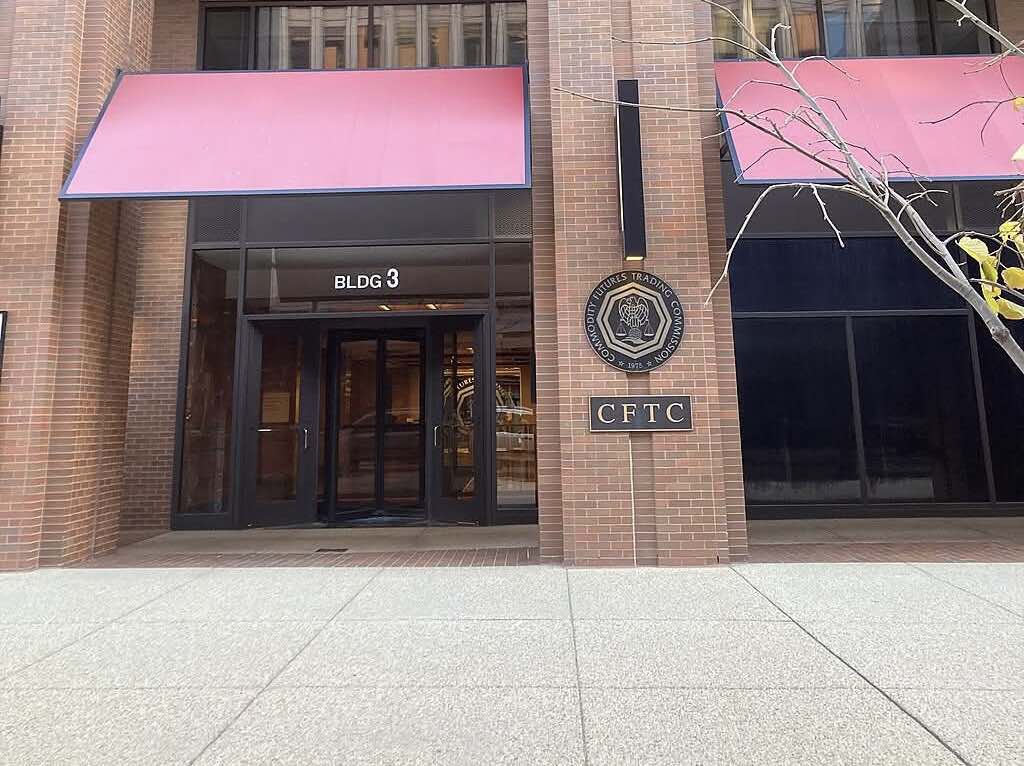
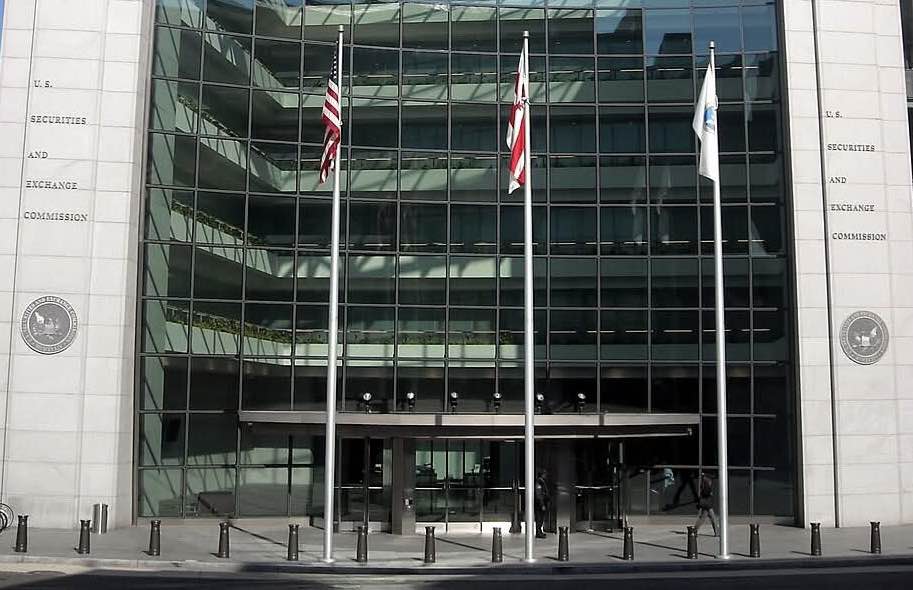
- Regulatory perimeter: The boundary of activities/assets that fall under formal oversight (SEC/CFTC/banking regulators) and the rules that apply within it.
- Market structure: How markets are organized—venues, intermediaries, settlement, clearing, custody, and transparency mechanisms governing trading and post-trade processes.
- Broker-dealer obligations: Regulatory duties for firms that execute trades for clients, including suitability, recordkeeping, capital requirements, and customer protection rules.
- Custody (qualified custodian): Safekeeping of client assets under defined standards (segregation, controls, audits); a central issue for both crypto and tokenized securities.
- Liquidity (macro): Availability and cost of funding in the financial system; tightening liquidity can pressure risk assets, while easing can support rallies.
- Safe-haven demand: Capital flows into perceived safer assets (often USD, Treasuries) during crises, which can influence crypto via risk-off behavior.
- Chokepoint (Strait of Hormuz): A narrow, strategically critical route for energy shipments; disruptions or threats can spike oil/FX volatility and broader risk sentiment.
- Memecoin: A highly speculative token often driven by social momentum rather than cash flows or utility; prone to sharp swings due to thin liquidity and concentrated holdings.














Comment 0