

 News
News  Coin Information
  About us
  Customer Service


 Add as a preferred source on Google


Washington state has joined a growing list of jurisdictions taking legal action against prediction market platform Kalshi, filing a lawsuit Friday that accuses the company of violating state gambling laws. Authorities argue that Kalshi's offerings function identically to traditional sports betting operations, despite the platform marketing itself as a "prediction market" rather than a gambling service.
The state's complaint highlights Washington's strict gambling regulations, which include a prohibition on online gambling. Officials contend that Kalshi effectively circumvents these rules by allowing users to wager on real-world events and collect payouts based on listed odds — a model that regulators say mirrors conventional bookmaking. The lawsuit further alleges that Kalshi's practices promote gambling addiction and disproportionately target college students.
Kalshi quickly moved to transfer the case to federal court, citing ongoing litigation in other federal jurisdictions and claiming it received no advance notice before the suit was filed. The company's communications team pushed back on several claims, denying it offers war-related contracts, and reiterated that Kalshi operates as a federally regulated exchange, distinct from state-licensed casinos and sportsbooks.
The lawsuit follows a recent legal setback for Kalshi in Nevada, where an appeals court cleared the way for a temporary restraining order requiring the platform to suspend sports, entertainment, and election contracts in the state. A follow-up hearing is scheduled for April 3 to determine whether those restrictions will be extended. Nevada also secured a preliminary injunction against Coinbase, Kalshi's partner platform, under similar grounds.
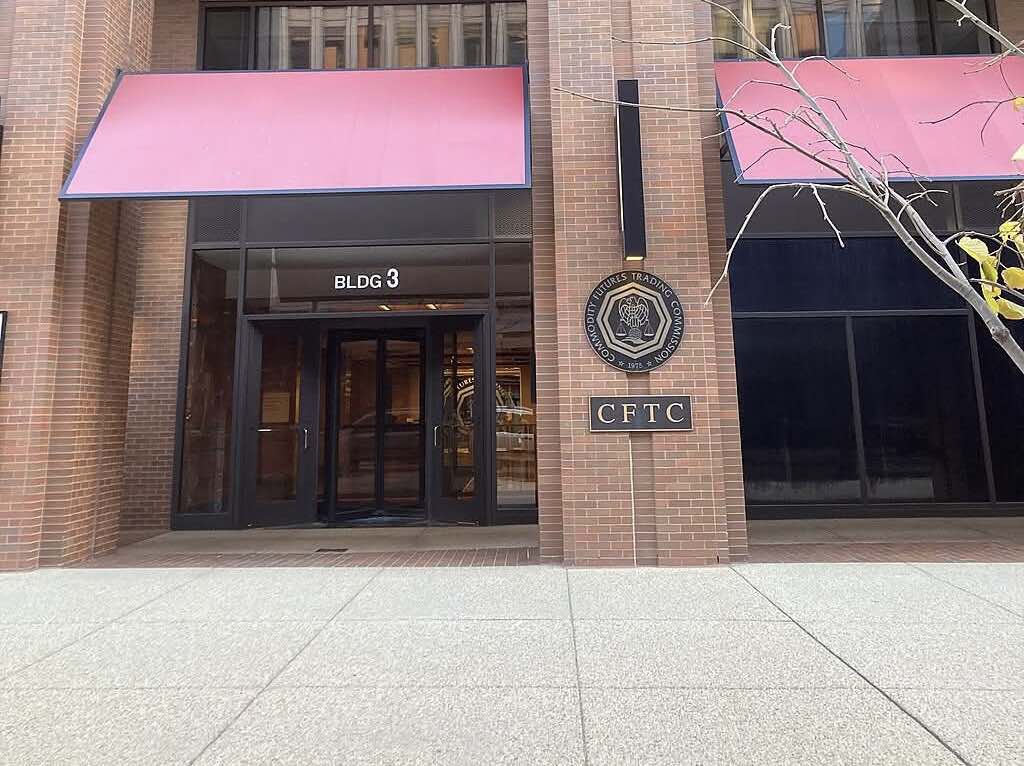
At the core of this ongoing legal battle is a fundamental disagreement over jurisdiction. Prediction market companies and federal regulators argue these products are derivatives contracts subject to federal oversight, while states insist they constitute gambling under local law. Legal experts believe the dispute is ultimately headed to the U.S. Supreme Court.

















Comment 0