

 News
News  Coin Information
  About us
  Customer Service


 Add as a preferred source on Google
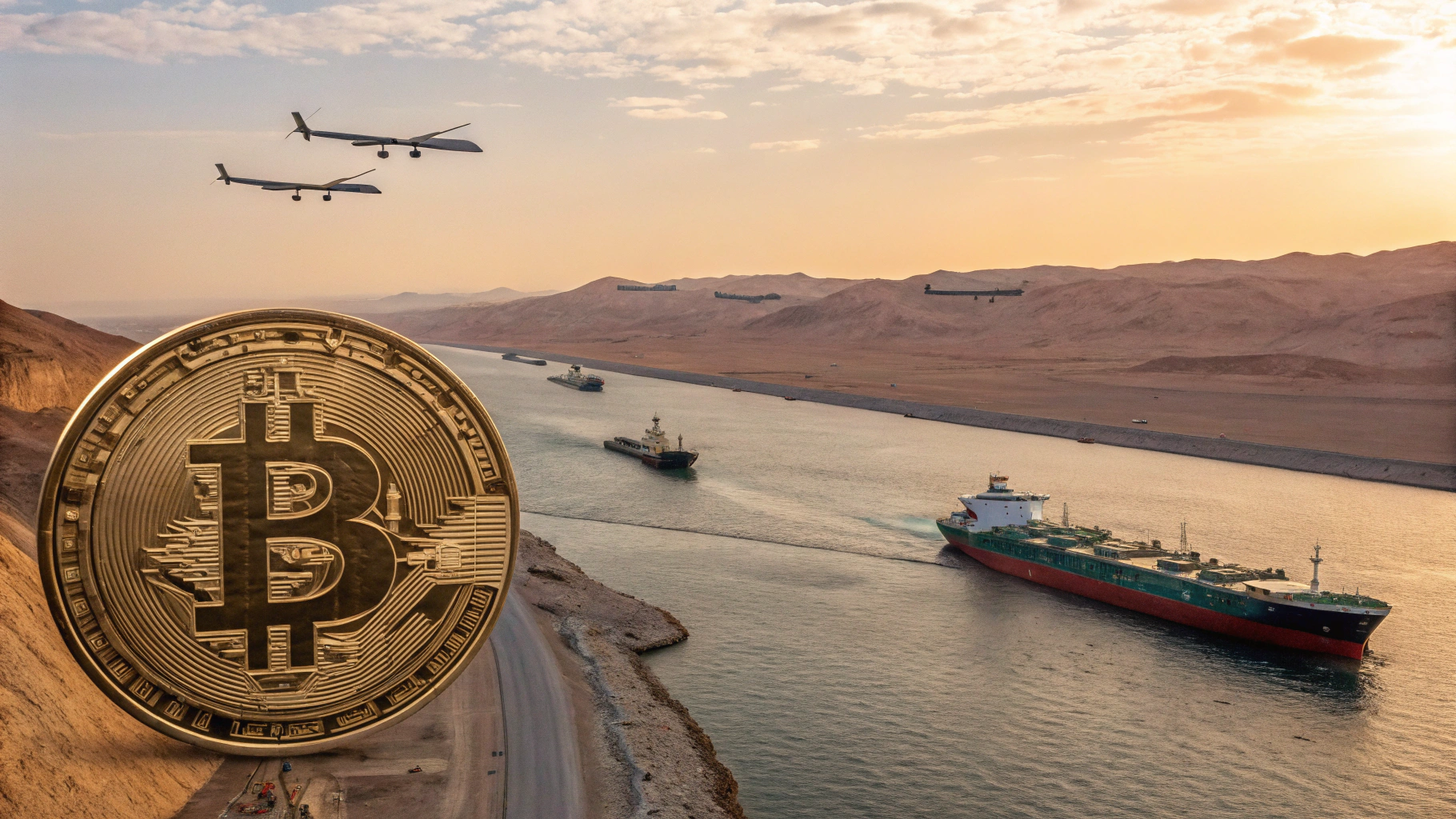
Iran’s reported plan to keep a ‘Hormuz transit fee’ in place even during a proposed two-week ceasefire with the United States is drawing renewed attention from crypto and payments watchers, amid speculation that Tehran could again push for settlement in yuan-denominated channels or even via stablecoins and other digital assets.
According to the Associated Press, which cited a person involved in the negotiations, the ceasefire framework discussed on Monday ET includes a mechanism under which Iran, working with Oman, would levy charges on commercial vessels transiting the Strait of Hormuz. The report said Iran is seeking to direct the proceeds toward post-conflict reconstruction, suggesting that de-escalation at sea may not automatically translate into lower commercial shipping costs.
The Strait of Hormuz is one of the world’s most strategically important energy chokepoints, with crude oil and refined products flowing from the Persian Gulf to global markets. As a result, any policy shift that changes the economics of passage—even without an outright disruption—can ripple through freight rates, insurance premiums, and ultimately energy prices.
Market participants are focusing on a key implication: a ceasefire may reduce immediate ‘geopolitical risk’ without restoring the pre-crisis cost structure for maritime trade. In past episodes, a cooling of tensions typically eased both security concerns and associated costs. This time, the reported inclusion of a transit-fee regime points to a different model—security normalization paired with continued economic rent extraction from a vital trade corridor.
Pricing estimates circulating in earlier reporting have underscored the magnitude of the issue. Multiple outlets citing Bloomberg have previously said Iran had explored charging roughly $1 per barrel for oil tankers passing through Hormuz. For very large crude carriers (VLCCs), that could translate into fees of up to about $2 million per voyage, a figure that would be material for voyage economics and could be reflected in higher delivered costs for energy importers.
For crypto markets, the more consequential question is not only whether a fee is imposed, but how it would be paid. Iran has been widely reported in recent years to evaluate non-dollar settlement options—such as Chinese yuan, ‘stablecoins,’ or other cryptocurrency-based rails—as part of a broader effort to mitigate the constraints of U.S.-led sanctions and reduce dependence on dollar-clearing networks.
The latest ceasefire-related reporting did not explicitly reaffirm any specific payment instruments, leaving the digital-asset angle in the realm of inference rather than confirmation. Still, analysts say the concept remains plausible because alternative settlement mechanisms often become more attractive when a country seeks to collect cross-border payments while limiting exposure to Western financial intermediaries.
The issue sits at the intersection of maritime control, sanctions dynamics, and shifting global payment architectures. Even absent explicit crypto language in a final deal, the notion that a major chokepoint could be paired with non-dollar settlement discussions reinforces a broader theme: states facing restrictions may continue experimenting with ‘sanctions-resistant’ payment channels, including tokenized dollar substitutes and regional currency arrangements.
For now, the contours of any agreement remain uncertain because much of the reporting is sourced to unnamed officials and interlocutors. Key variables—especially the settlement currency, enforcement mechanism, and exemptions—are likely to determine whether the proposal becomes a symbolic bargaining chip or a durable new cost layer for global shipping. Markets will be watching for an official text or formal announcements that clarify whether the transit-fee framework—and any reference to yuan or crypto-linked payments—will be operationalized.






















Comment 0