

 News
News  Coin Information
  About us
  Customer Service


 Add as a preferred source on Google

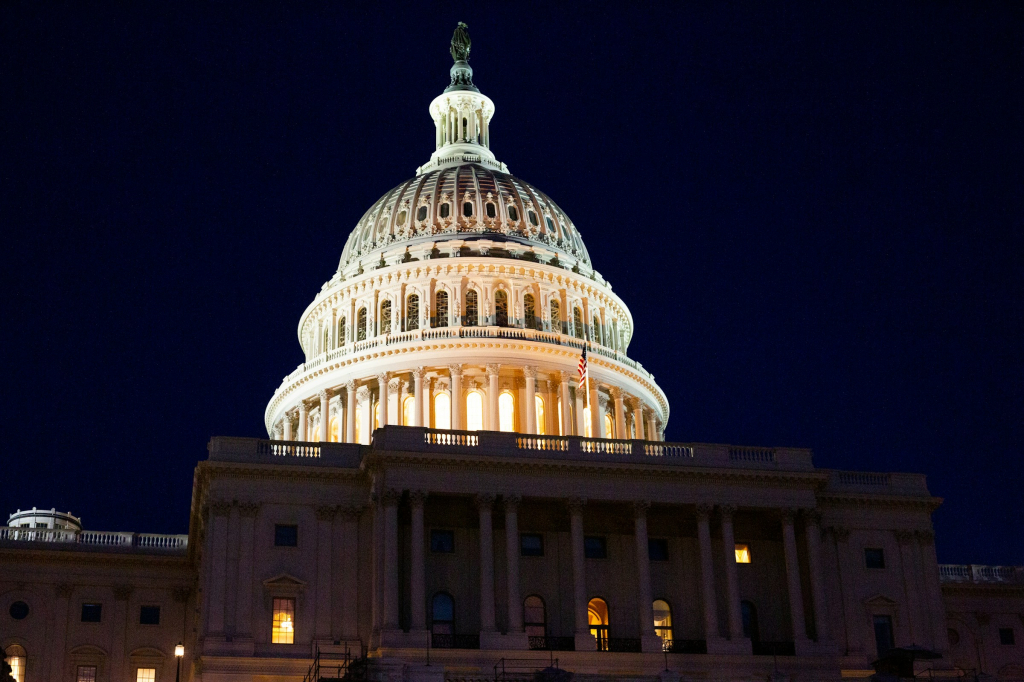
The GENIUS Act reached its first anniversary on July 18, marking a key milestone for the U.S. cryptocurrency industry after President Donald Trump signed the stablecoin legislation into law in 2025. The law has strengthened confidence among banks, fintech firms, and payment providers to invest in blockchain-based payment solutions, although the full regulatory framework is still under development.
The GENIUS Act requires payment stablecoins to maintain a one-to-one reserve backing with cash or other highly liquid assets. It also establishes broad standards for reserve management, transparency, and financial crime prevention. However, several critical implementation rules remain unfinished as federal regulators continue drafting detailed requirements.
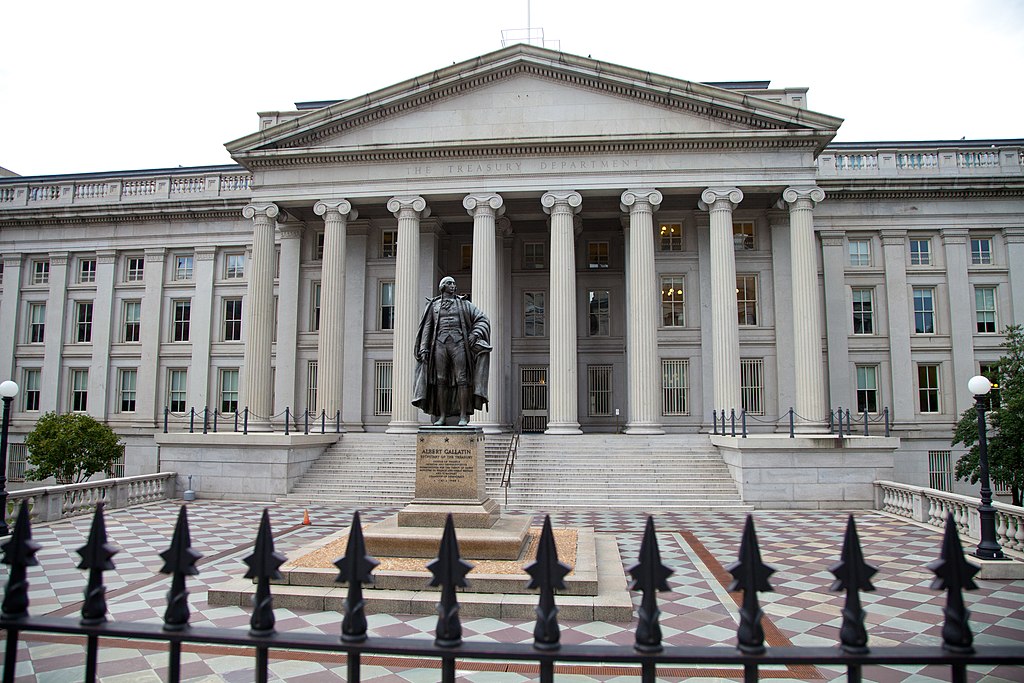
The U.S. Treasury Department, Federal Reserve, Federal Deposit Insurance Corporation (FDIC), and Office of the Comptroller of the Currency (OCC) are working on regulations covering customer identification, anti-money laundering (AML), sanctions compliance, liquidity, and capital requirements. Public consultation periods are also underway before the final rules are adopted.
Despite the incomplete regulatory framework, the industry has moved quickly over the past year. Financial institutions and payment companies have expanded stablecoin initiatives, encouraged by the legal clarity provided by the GENIUS Act. The legislation has also accelerated investment in blockchain infrastructure across the financial sector.
USDC issuer Circle described the law as a major step forward for digital assets, saying it creates consistent standards for reserve backing, transparency, and consumer protection while supporting innovation. Circle has also secured approval to establish a national trust bank, allowing future USDC reserves to operate under federal oversight.
Policy experts say the next challenge lies with regulators. Brookings senior fellow Nellie Liang noted that while the GENIUS Act provides greater legal clarity, financial agencies must now finalize the detailed rules needed to implement the legislation effectively.
Attention has also shifted to the proposed CLARITY Act, which aims to create a broader regulatory framework for digital assets beyond stablecoins. Unlike the GENIUS Act, the bill faces greater resistance in the Senate. Several Democratic lawmakers have raised concerns over ethics provisions, President Trump's cryptocurrency business interests, and whether the legislation includes sufficient safeguards against illicit finance. Lawmakers must reconcile different committee versions before the bill can advance, while the Senate's scheduled August recess leaves limited time to reach an agreement.

















Comment 0