

 News
News  Coin Information
  About us
  Customer Service


 Add as a preferred source on Google

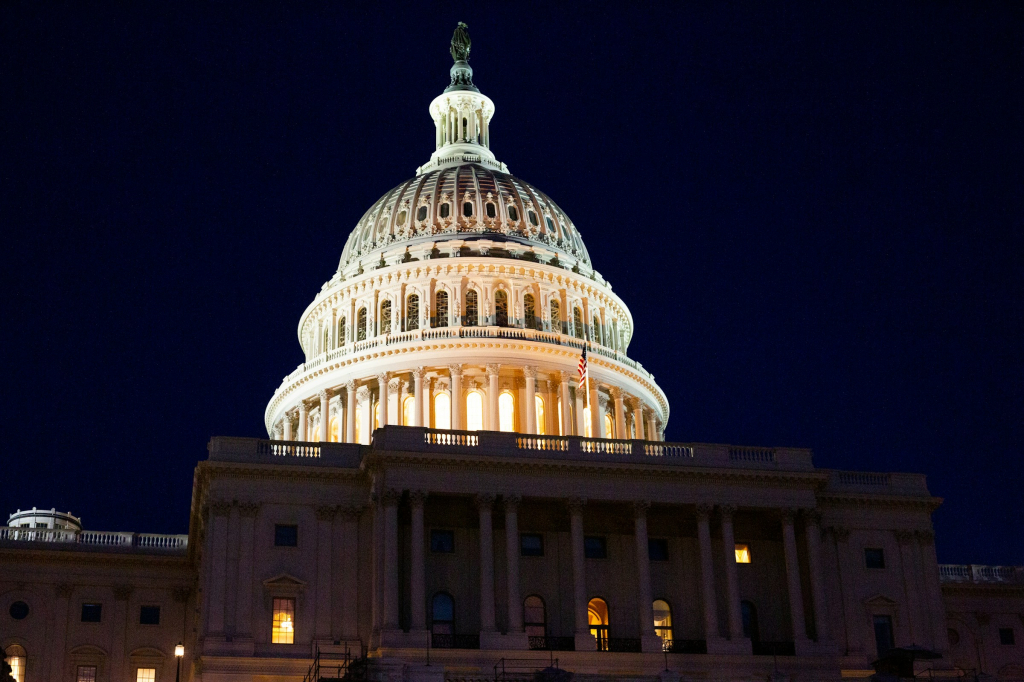
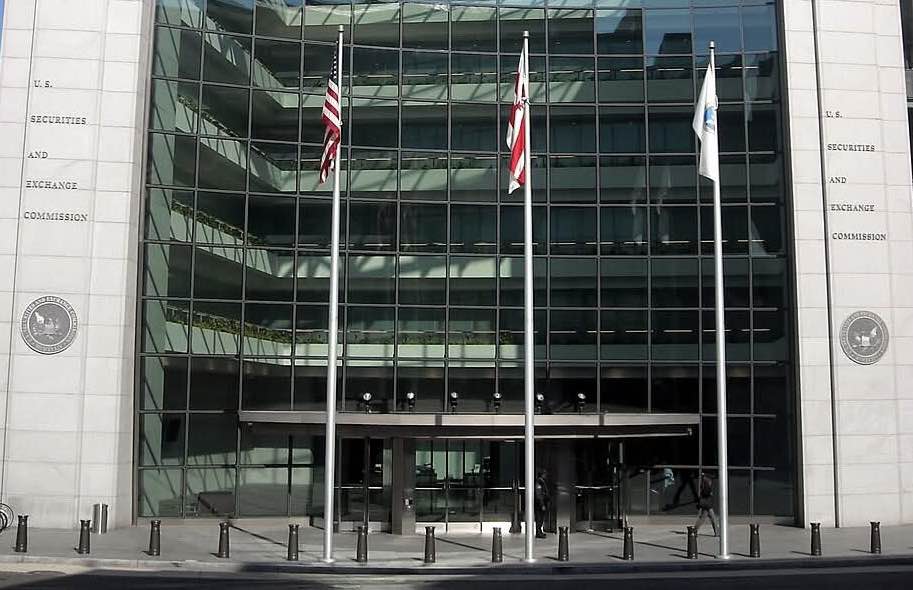
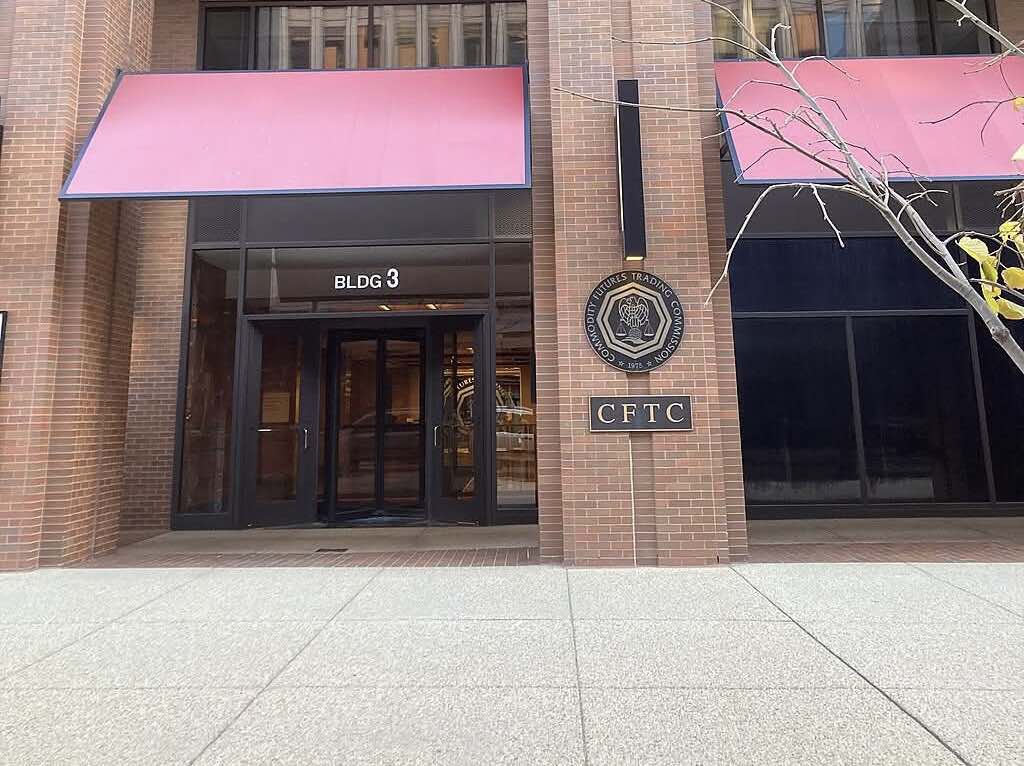
The U.S. crypto industry faces prolonged regulatory uncertainty after the Senate failed to advance the Clarity Act, leaving digital asset companies without a comprehensive federal market structure framework and keeping the division of authority between the Securities and Exchange Commission (SEC) and Commodity Futures Trading Commission (CFTC) unclear.
Markets reacted quickly to the setback. Coinbase shares fell about 10% following the vote, while stablecoin issuer Circle also suffered a sharp decline as investors assessed the implications for U.S. crypto regulation.
Industry executives say the lack of legislative clarity could affect investment decisions, product launches and compliance planning. Gate CEO Lin Han said capital and talent typically gravitate toward jurisdictions with clearer rules, potentially benefiting regulated crypto businesses in Europe and Asia.
The regulatory gap contrasts with developments overseas. The European Union has implemented its Markets in Crypto-Assets (MiCA) framework, while several Asian financial centers continue developing digital asset regulations. The U.K. is also preparing comprehensive rules expected to take effect next year.
Regulators can still provide guidance without Congress. The SEC, for example, recently introduced an “innovation exemption” covering tokenized securities trading. However, Stefan Muehlbauer, CertiK’s head of U.S. government affairs, argued that agency rulemaking cannot fully replace durable legislation, particularly for companies making long-term investment decisions.
Other industry leaders see the Senate defeat as a setback rather than the end of U.S. crypto policy reform. Bitget CEO Gracy Chen said one congressional vote is unlikely to trigger an immediate shift in global trading volumes, while Bitwise CIO Matt Hougan described the outcome as making the regulatory path “bumpier” without fundamentally changing the industry’s direction.
Bullish CEO Tom Farley similarly emphasized the importance of SEC and CFTC implementation, particularly for tokenized securities. Hedera policy chief Nilmini Rubin said legislative efforts can continue but warned that prolonged uncertainty could weaken U.S. competitiveness.
Stablecoins, tokenization and cross-border payments are expected to continue expanding regardless of the Clarity Act setback. For the U.S. crypto sector, attention now shifts toward SEC and CFTC rulemaking and whether lawmakers can revive comprehensive digital asset legislation.















Comment 0