Xi, Trump Set Out Conflicting AI Governance Positions at White House
Xi Jinping called for AI to remain under human control, while Donald Trump rejected a global framework and backed the Justice Department as the U.S. enforcement guardrail.


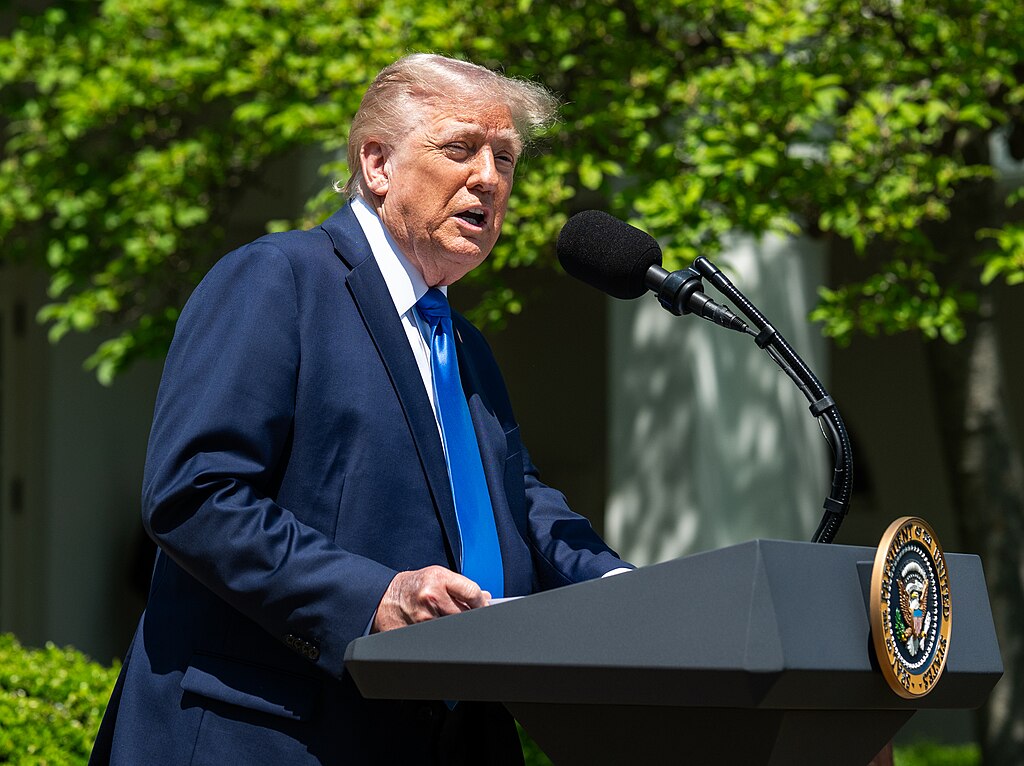
Chinese President Xi Jinping and President Donald Trump presented competing approaches to artificial intelligence governance during their White House meeting on Sept. 24, with Xi emphasizing human control and Trump rejecting a global framework for managing the technology.
Xi said the United States and China, which he described as leading AI countries, have the ability and responsibility to develop and manage AI so it remains controlled by people and benefits the public.
Trump said AI, including what he called “superintelligence,” would be a major subject of discussion. He also said decisions made in AI could shape peace and prosperity for decades.
Trump rejected efforts to establish a global framework for AI governance. He said the Justice Department should serve as the U.S. enforcement guardrail and that additional safeguards were unnecessary.
Trump has also called warnings from some industry and academic figures that AI could harm humanity a “hoax” and said the United States should focus on winning the AI competition.
The meeting came one day after OpenAI CEO Sam Altman and Anthropic CEO Dario Amodei urged countries to cooperate on AI safety at the United Nations Security Council. Altman argued that countries with competing interests have previously worked together when facing powerful new technologies.
The leaders’ positions add to the policy divide described in earlier coverage of the Trump-Xi AI talks. Public statements did not confirm a completed bilateral AI safety agreement or provide technical terms.