Iran Puts Onus on U.S. to End War as China Pushes De-escalation
President Masoud Pezeshkian said Washington must decide whether to end the seven-month conflict as Houthi attacks on Saudi targets added pressure to energy markets.

Iranian President Masoud Pezeshkian placed responsibility for ending the seven-month war on Washington as new Houthi attacks on Saudi targets widened the conflict and kept energy markets under pressure.
“It's America that must choose whether it wants to end this or not,” Pezeshkian said in an interview aired Thursday, responding to whether the war could end by year-end.
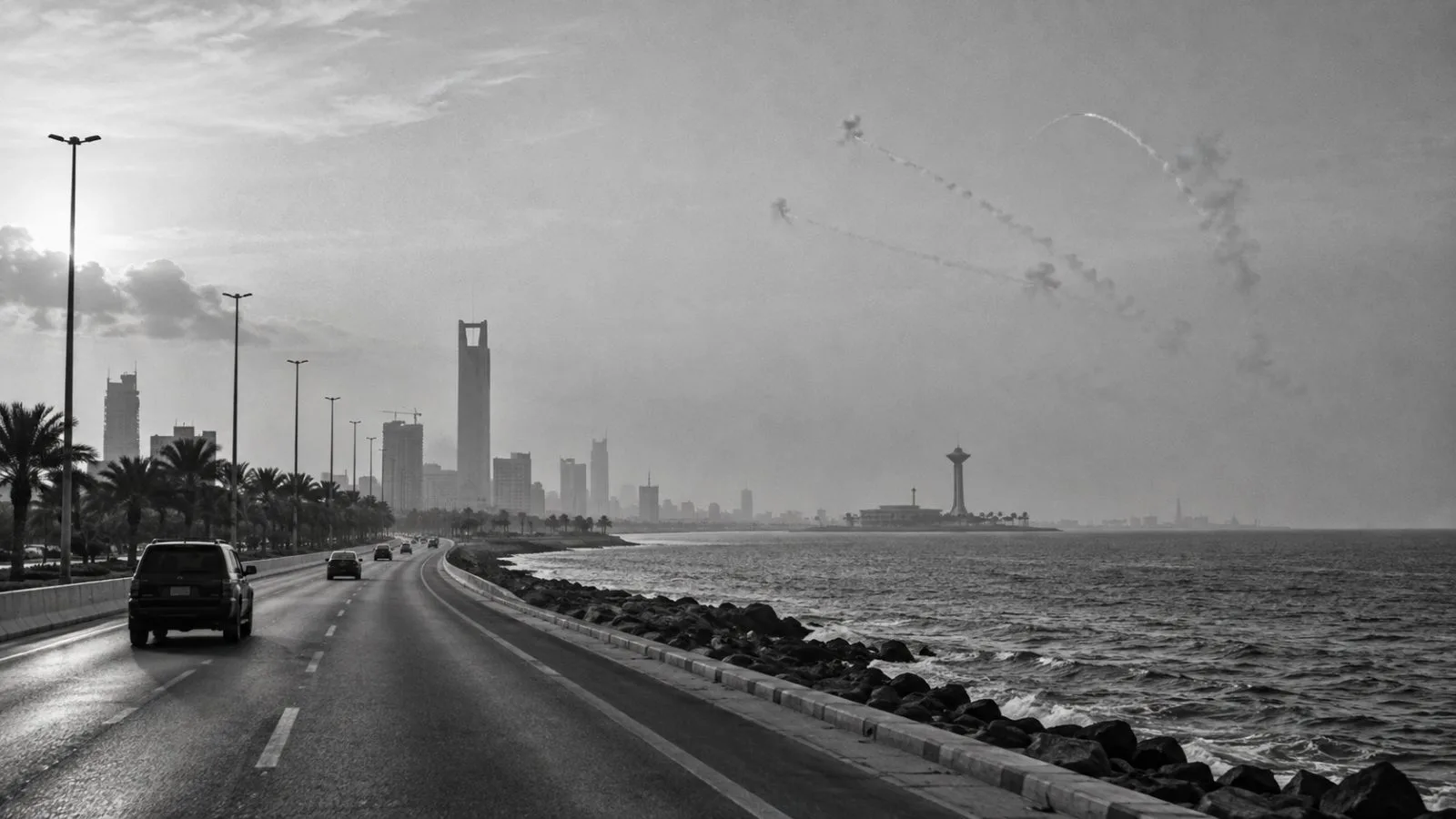
The comments came as Houthi forces launched dozens of missiles and drones at Saudi targets Friday morning. Saudi Arabia said it intercepted six ballistic missiles, while emergency alerts were issued in Mecca, Jeddah and Yanbu.
Pezeshkian said Iran is not at war with Saudi Arabia and that the Houthis are responsible for their own actions. Officials from Saudi Arabia, Turkey and Pakistan planned an urgent meeting to discuss military support for Saudi Arabia under the Mecca Joint Defense Agreement.
China’s special envoy for the Middle East, Zhai Jun, said the consensus reached during the U.S.-China summit would be critical to cooling the conflict. The widening confrontation has kept oil markets volatile: Brent crude futures for November delivery fell 1% to $93.66 a barrel, while West Texas Intermediate futures declined 0.68% to $105.86.
The Strait of Hormuz normally carries about one-fifth of global oil supply. Iranian officials have signaled that the waterway could reopen within seven days if Washington begins easing its naval blockade of Iranian ports.