Cuomo Urges Congress to Set Durable U.S. Digital-Asset Rules
The Senate rejected a procedural vote on H.R. 3633, while the SEC approved temporary exemptions for certain tokenized-stock venues.


Former New York Gov. Andrew M. Cuomo urged Congress to establish lasting digital-asset rules after lawmakers failed to advance a market-structure bill and the SEC approved temporary exemptions for certain tokenized-stock venues.
“Technology has always moved faster than government,” Cuomo wrote in a Sept. 25 commentary. “The clock is ticking.”
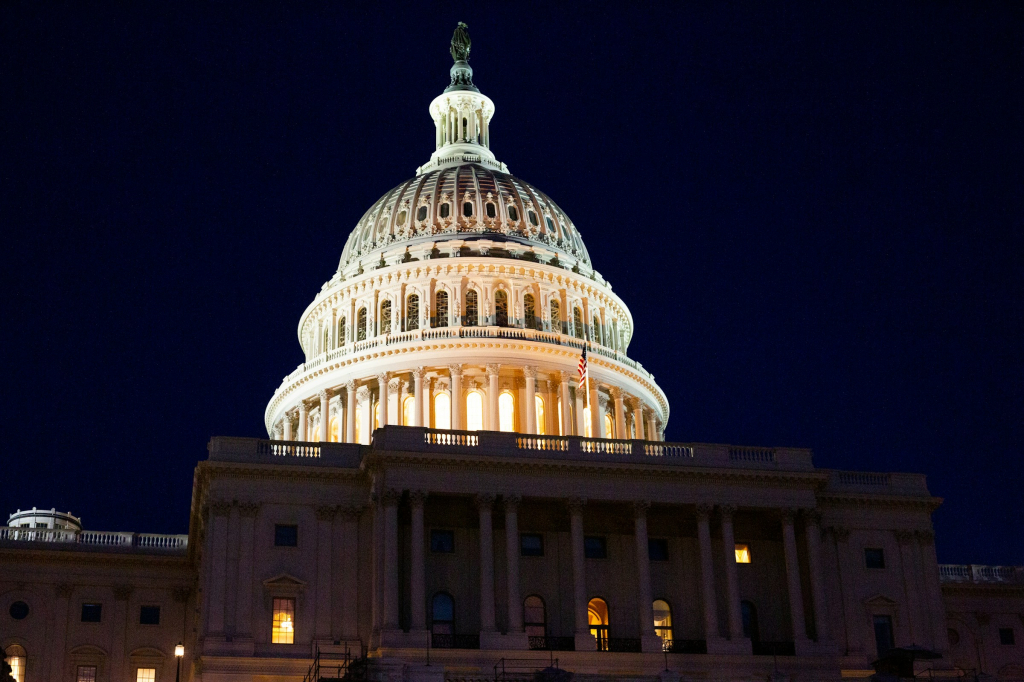
The Senate voted 49-50 on Sept. 15 against cloture on a motion to proceed to H.R. 3633, the Digital Asset Market Clarity Act. One senator did not vote, and three-fifths support was required. The vote concerned a procedural motion rather than final passage.
The legislation would establish a system for regulating the offer and sale of digital commodities through the Securities and Exchange Commission and Commodity Futures Trading Commission.
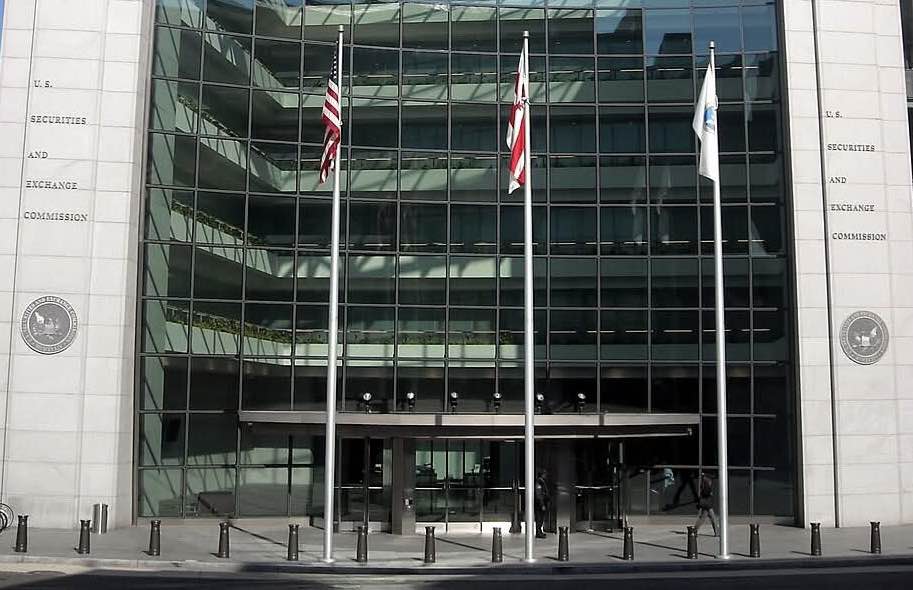
The SEC on Sept. 17 granted temporary, conditional exemptions to certain Tokenized Securities Venues (TSVs) from statutory definitions of “exchange” and “dealer.” Qualifying venues may trade tokenized National Market System stocks through permissioned automated market makers and liquidity pools.
The exemption will expire five years after publication. Its conditions include limits on symbols and trading volume, investor rights equivalent to those attached to the underlying stock, auditable smart contracts on public permissionless ledgers, coordinated trading halts and public operational disclosures.
SEC Chair Paul S. Atkins said, “The Innovation Exemption, while temporary, would allow TSVs to trade tokenized NMS stock in a permissioned environment today.”
Cuomo joined OKX’s board in July and co-chairs an OKX-Intercontinental Exchange joint venture. Intercontinental Exchange announced a strategic relationship and investment in OKX on March 5, valuing the crypto exchange at $25 billion. The companies identified tokenized equities, digital-asset infrastructure, market structure, clearing and risk management as areas for cooperation.
New York’s Department of Financial Services virtual-currency regulation took effect in June 2015. It covers consumer-facing activities including custody, exchange services and buying and selling virtual currency.
The Senate’s failed procedural vote and the SEC’s temporary exemption leave separate legislative and regulatory paths for digital-asset market structure. The exemption’s five-year expiration provides a defined deadline for future action.