U.S. and China Establish Super Intelligence Dialogue at Summit
The countries also reached consensus on favorable tariff treatment for $30 billion of non-sensitive goods in each direction, though no broad tariff cut was announced.

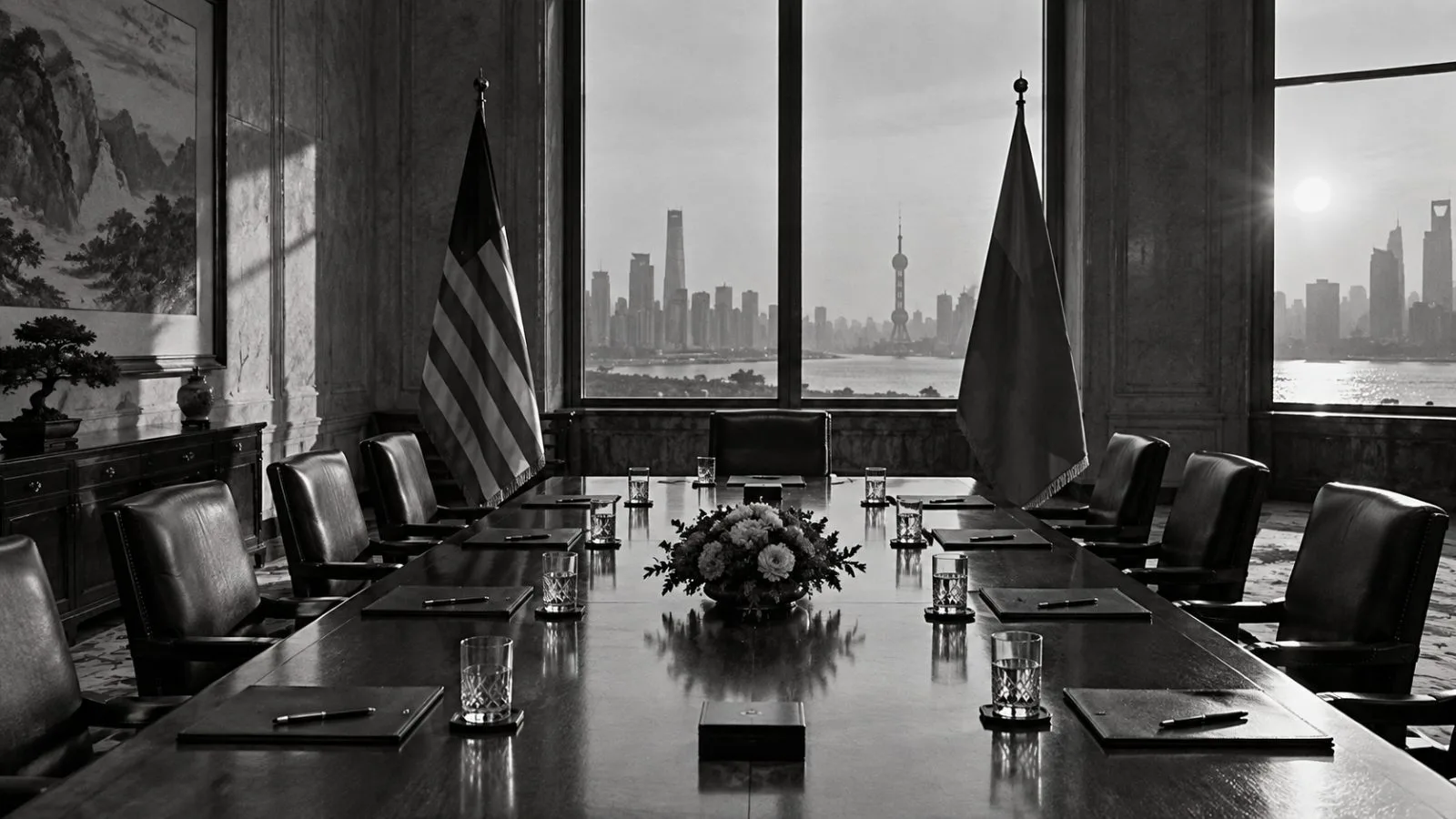
The United States and China established a Super Intelligence Dialogue and an incident-communication channel at this week’s summit, while advancing limited tariff relief that could influence global trade and market sentiment.
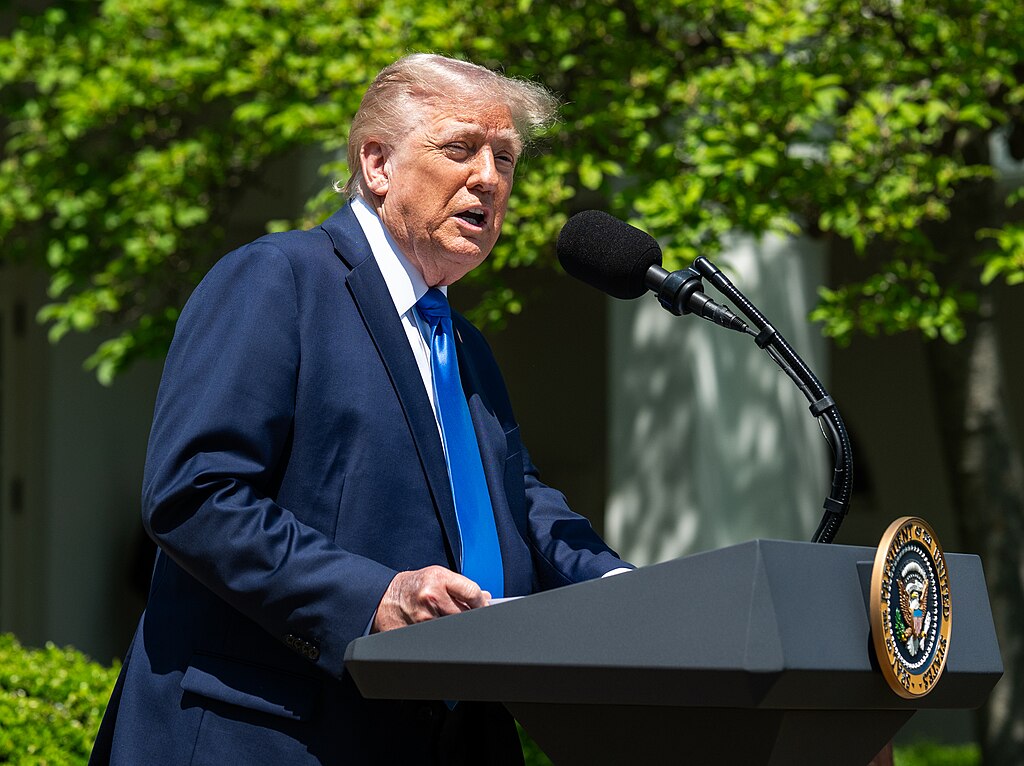
President Donald J. Trump and President Xi Jinping agreed to use “super intelligence” for the relevant emerging technologies and to exchange views on their risks and benefits. The next discussion is scheduled by November 2026.
The two countries also reached consensus on recommendations for more favorable tariff treatment covering $30 billion of non-sensitive goods in each direction. The U.S. export list includes agricultural products, seafood, logs and wood products, cosmetics and medical devices. Chinese exports covered by the framework include small appliances, toys, holiday decorations and children’s car seats.
The announcement describes recommendations rather than a broad tariff reduction. The countries also operationalized government-to-government trade and investment boards and continued work on supply-chain shortages involving rare earths and other critical minerals.
China will import at least 10 million metric tons of U.S. coal in 2027 and again in 2028. The next concrete milestone is the super-intelligence exchange planned by November.