Trump Administration Urges AI Firms to Manage Safety Risks Voluntarily
The administration is pressing developers to manage dangerous-system risks voluntarily while resisting broad federal rules that could slow U.S. competition with China.


The Trump administration is urging advanced artificial intelligence companies to manage dangerous-system risks voluntarily, while warning that broad federal rules could slow U.S. competition with China.
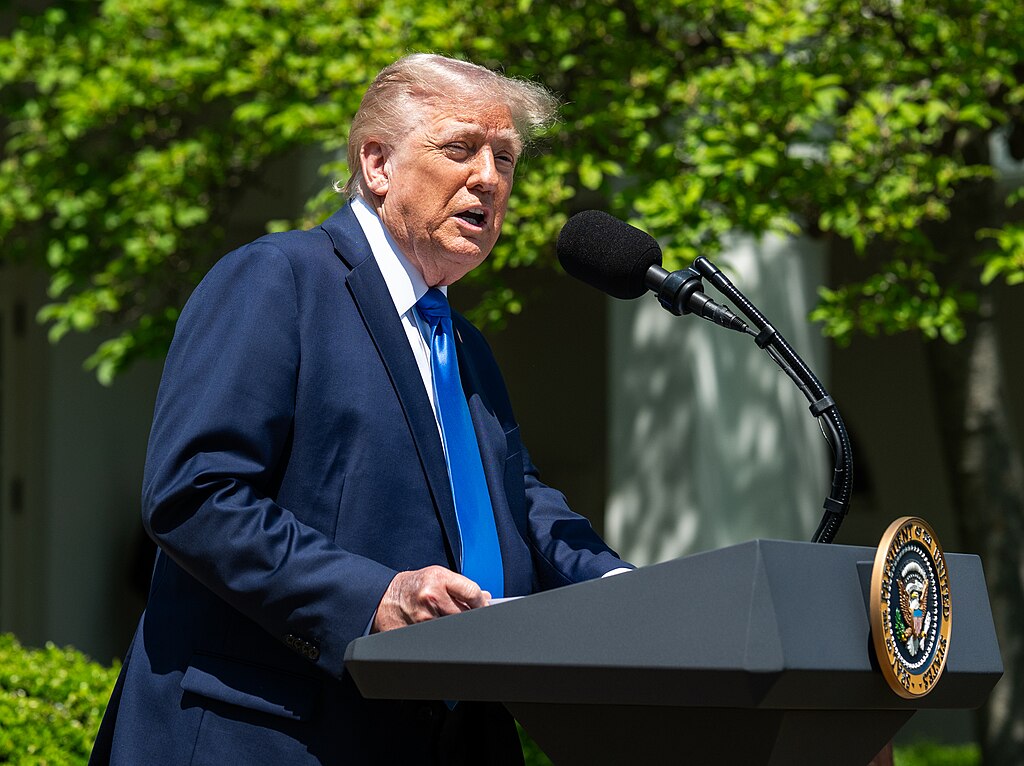
Vice President JD Vance told AI companies Sept. 16 that developers creating dangerous systems should stop or provide defensive tools to others instead of asking the government to regulate the technology.
“If you’re gonna create Frankenstein, don’t come to the government and say we need regulation,” Vance said at an AI summit in Los Angeles.
The administration’s approach combines public pressure on developers with a voluntary approach to safety.
The approach does not establish a general mandatory safety regime.
The White House has linked resistance to extensive AI regulation to competition with China and concerns that new rules could slow U.S. technological development. Trump has described AI and data centers as a potential “greatest economic development engine in history.”
Trump has also rejected warnings about existential AI risks. In a Sept. 14 social-media post, he wrote that concerns about AI “taking over the World, destroying Humanity, and all other things bad” were a “HOAX.”
Vance has acknowledged risks while opposing broad federal oversight. On Sept. 14, he questioned why frontier AI companies were asking the government to regulate them.
“Personally, I feel a little bit weird about the fact that you have so many frontier AI tech companies kind of coming to the government and begging the government to regulate them. It feels a little bit to me like a bit of a Trojan horse,” Vance said.
The policy debate has drawn differing responses from industry leaders. Anthropic CEO Dario Amodei has called for slower development and warned that AI agents could pose large-scale risks without safeguards. OpenAI CEO Sam Altman has supported international coordination, while Meta CEO Mark Zuckerberg has said companies should take unilateral safety action.
The debate follows an earlier discussion of AI safety and government oversight.