
Pakistan Weighs Direct LNG Imports as Qatar Supply Disruptions Deepen
The proposal would let private power producers use spare capacity at Pakistan’s two LNG import terminals, but it still needs approval from the Economic Coordination Committee.

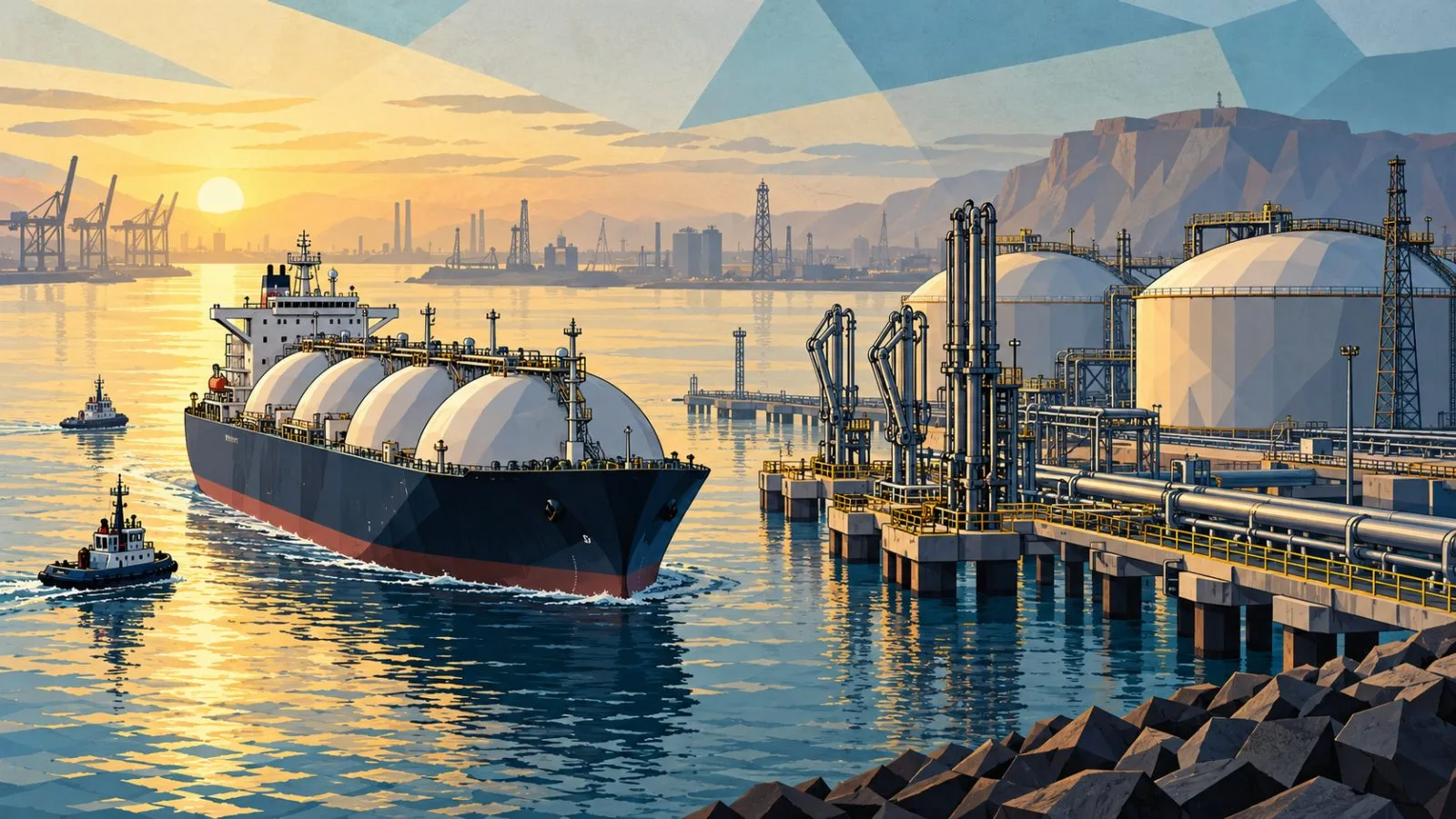
Pakistan is considering rules that would let private power producers and other companies import liquefied natural gas (LNG) directly, as disruptions to QatarEnergy supplies pressure the country’s electricity system and public finances.
The Energy Ministry’s petroleum division has submitted the proposal to Pakistan’s Economic Coordination Committee for consideration. It would also allow private buyers to use unutilized capacity at the country’s two LNG import terminals.
The proposal has not received final approval, and no implementation date has been announced. Under current rules, buyers other than state-owned Pakistan LNG Ltd. cannot easily procure spot-market cargoes directly.
QatarEnergy has extended force majeure on LNG deliveries to Pakistan until Nov. 6, Petroleum Minister Ali Pervaiz Malik said. Pakistan has sought higher-priced spot cargoes amid the disruption.
Pakistan LNG rejected a tender seeking 140,000 cubic meters for delivery at Port Qasim from Sept. 4-8 at $26.969 per million British thermal units, citing the price. In a separate transaction, the company accepted a July cargo at $21.88 per million British thermal units, its seventh spot purchase after QatarEnergy declared force majeure.
An emergency cargo carrying 171,951 cubic meters arrived at Port Qasim in July after two QatarEnergy vessels canceled deliveries under force majeure.
The proposed rule change would shift some LNG procurement responsibility from the state to private power producers and other companies. Its effect will depend on whether buyers can secure cargoes, obtain terminal access and absorb volatile spot-market prices.
Pakistan State Oil says it has imported more than 400 LNG cargoes totaling over 27 million metric tonnes since 2015 through spot purchases, government-to-government contracts and term agreements.
Iqbal Z. Ahmed, chairman of Pakistan GasPort Ltd., said Pakistan could seek alternatives beyond its traditional suppliers.
“We can change if we look westward, breaking the hold of the Middle East on supply,” Ahmed said.
“Just develop long term relationship with them,” he said, referring to U.S. LNG suppliers.
The proposal’s next formal step is review by the Economic Coordination Committee. The government has not set a date for a decision or implementation.
Riza Dagoc
Riza Dagoc reports on regulation, investing and the digital-asset business for TokenPost. Send corrections or tips to info@tokenpost.com.