
 Add as a preferred source on Google
House Data-Center Cost Bill Stalls After Senate Rejects Cloture, 57-43
The Ratepayer Protection Act passed the House 417-3 but failed to advance in the Senate, leaving states to decide how large data centers should fund grid upgrades.

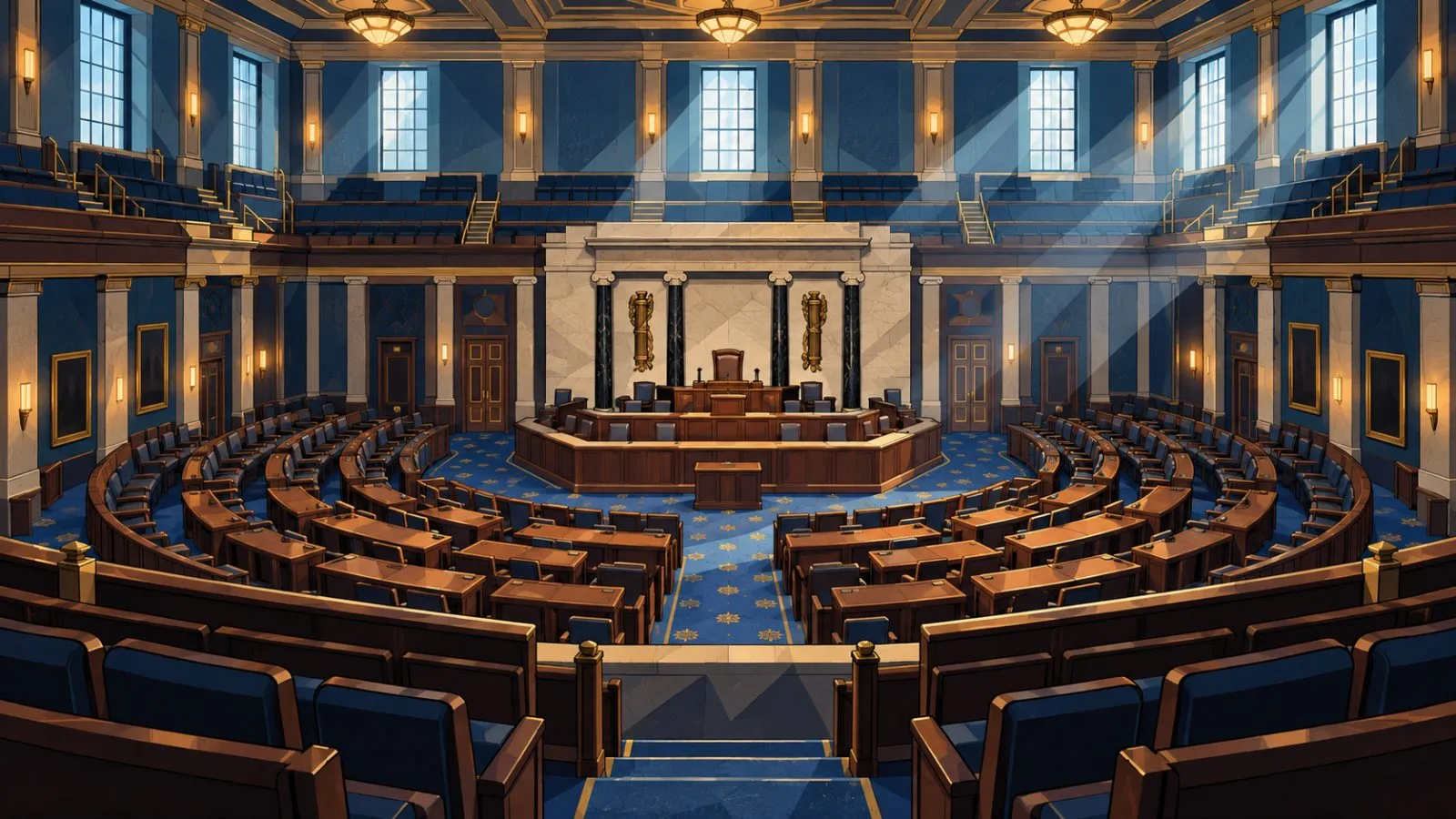
A bipartisan House bill aimed at making large data centers cover the added electricity infrastructure costs they create stalled in the Senate, leaving states to decide how new artificial-intelligence power demand should affect utility customers.
The measure cleared the House on Sept. 16 with a 417-3 vote. The Senate rejected cloture on a motion to proceed by 57-43 on Sept. 30, after which the motion was withdrawn. The bill was not enacted.
Introduced June 18 by Rep. Gabe Evans, R-Colo., the legislation would amend the Public Utility Regulatory Policies Act of 1978. It would direct states to consider standards requiring large-load customers to cover the full incremental costs of generation, transmission and distribution upgrades needed to serve them.
The proposal covered new facilities drawing at least 100 megawatts of electricity. It also contemplated financial assurances for generation, transmission and other infrastructure if a facility later reduced operations or stopped buying electricity.
“If Big Tech builds a massive AI data center, the Big Tech company—not hardworking families, farmers or small businesses—should pay for their power and grid upgrades,” Rep. Kathy Castor, D-Fla., said.
The bill’s approach would have established a federal standard for states to consider rather than imposed a nationwide payment requirement. Sen. Martin Heinrich said during the Senate debate that the measure contained “no—zero—requirement that data centers actually pay for their own grid upgrades.”
The dispute reflects a broader policy tension: lawmakers want to expand generation and transmission capacity for AI development while limiting the risk that those projects raise costs for households, farmers, seniors and small businesses.
The issue is also relevant to cryptocurrency-mining facilities, which are large electricity users that can face similar grid, pricing and permitting constraints. No specific mining company or facility is identified as affected by H.R. 9340.
With the federal measure blocked, future action on data-center electricity costs will depend in part on state lawmakers and regulators. The Senate result follows earlier coverage of the vote.
Riza Dagoc
Riza Dagoc reports on regulation, investing and the digital-asset business for TokenPost. Send corrections or tips to info@tokenpost.com.