
 Add as a preferred source on Google
New Jersey Worker Sues Sutherland Over AI Webcam Monitoring
Glennis Von Sander-Timinski alleges Sutherland dismissed her after she rejected Sentinel AI monitoring and sought a medical accommodation for systemic lupus erythematosus.

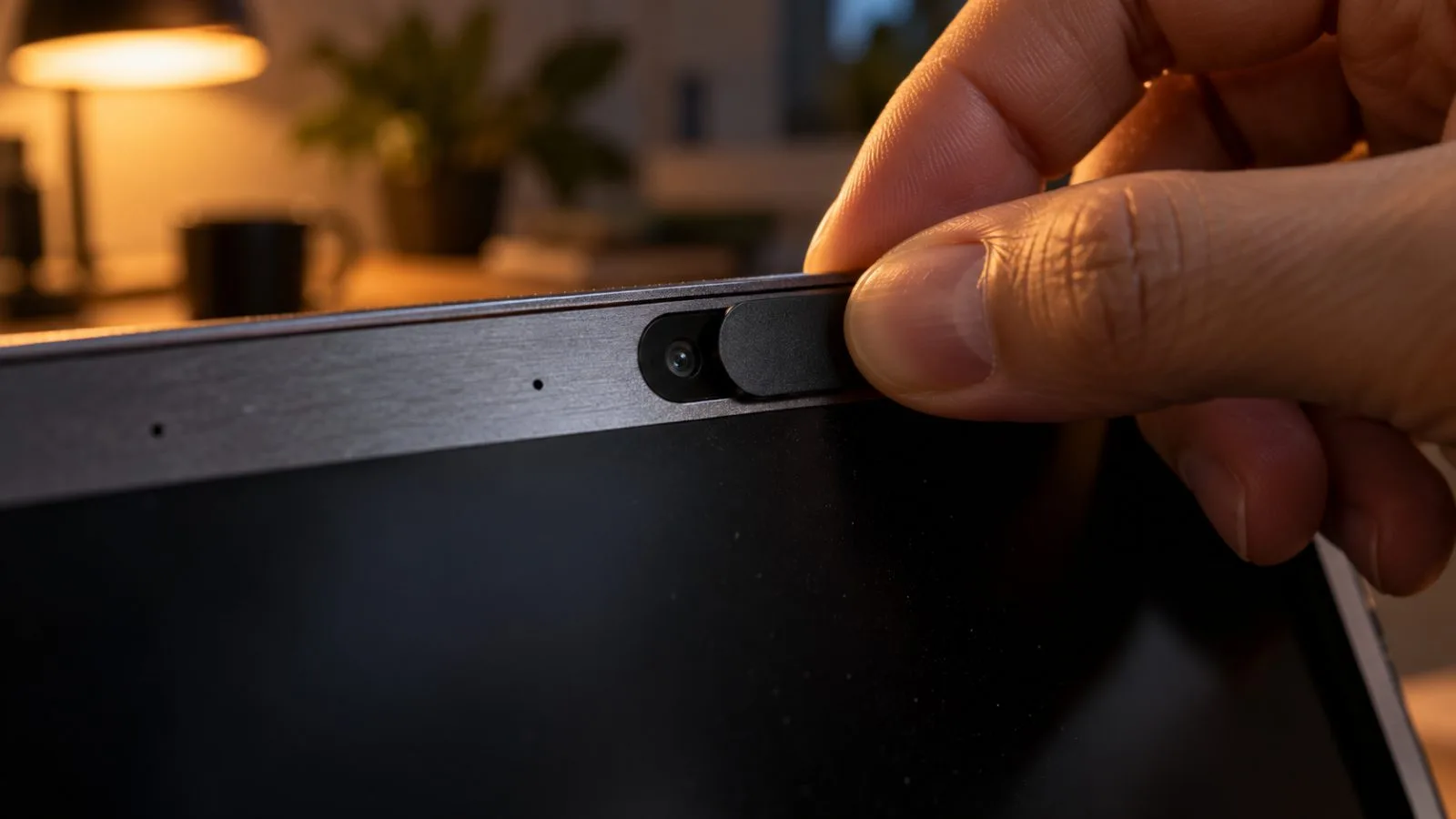
Glennis Von Sander-Timinski is suing Sutherland Healthcare Solutions over an alleged decision to dismiss her after she rejected AI webcam monitoring and sought a medical accommodation, raising privacy and disability concerns for remote workers.
Von Sander-Timinski had worked remotely for Sutherland since 2018. The lawsuit says the company planned to require employees to use Sentinel AI, a system that accessed laptop webcams and captured about 160 facial images per day, averaging one image every three minutes.
The complaint says Von Sander-Timinski had received positive performance reviews before the monitoring requirement. She has systemic lupus erythematosus, a chronic illness, and alleges that the surveillance caused anxiety that could worsen her condition.
The lawsuit says her doctor asked Sutherland to reduce the monitoring frequency or make it intermittent. Company management allegedly offered three options: accept the monitoring, commute to the office for three hours each way or lose her job. Sutherland dismissed Von Sander-Timinski on Sept. 8, the lawsuit alleges.
Von Sander-Timinski also alleges that Sutherland refused to provide a reasonable accommodation or discuss alternatives that would have allowed her to continue working remotely. The allegations have not been resolved in court.
The dispute reflects a broader tension between remote-work oversight and privacy inside employees’ homes. Traditional workplace surveillance has focused on keyboard activity and screen use, while webcam monitoring brings cameras into private residences and captures images during working hours.
A 2023 survey found that 51% of employees knew their employers used technology to monitor them. Among monitored workers, 56% said they typically felt tense or under significant pressure at work.
Maine law generally bars employers from audiovisual monitoring in an employee’s private residence, vehicle or property and allows workers to reject data-collection software on personal devices.
New Jersey lawmakers are considering S4075, a proposal addressing AI-based electronic monitoring and automated employment decisions. The measure would require impact assessments and independent approval while limiting monitoring in private areas, homes and nonworking hours.
Riza Dagoc
Riza Dagoc reports on regulation, investing and the digital-asset business for TokenPost. Send corrections or tips to info@tokenpost.com.