
 Add as a preferred source on Google
Trump AI Policy Leaves Liability Questions as Congress Targets Agent Harm
The administration favors federal uniformity and voluntary safeguards, while lawmakers propose civil and criminal liability for companies behind harmful AI agents.

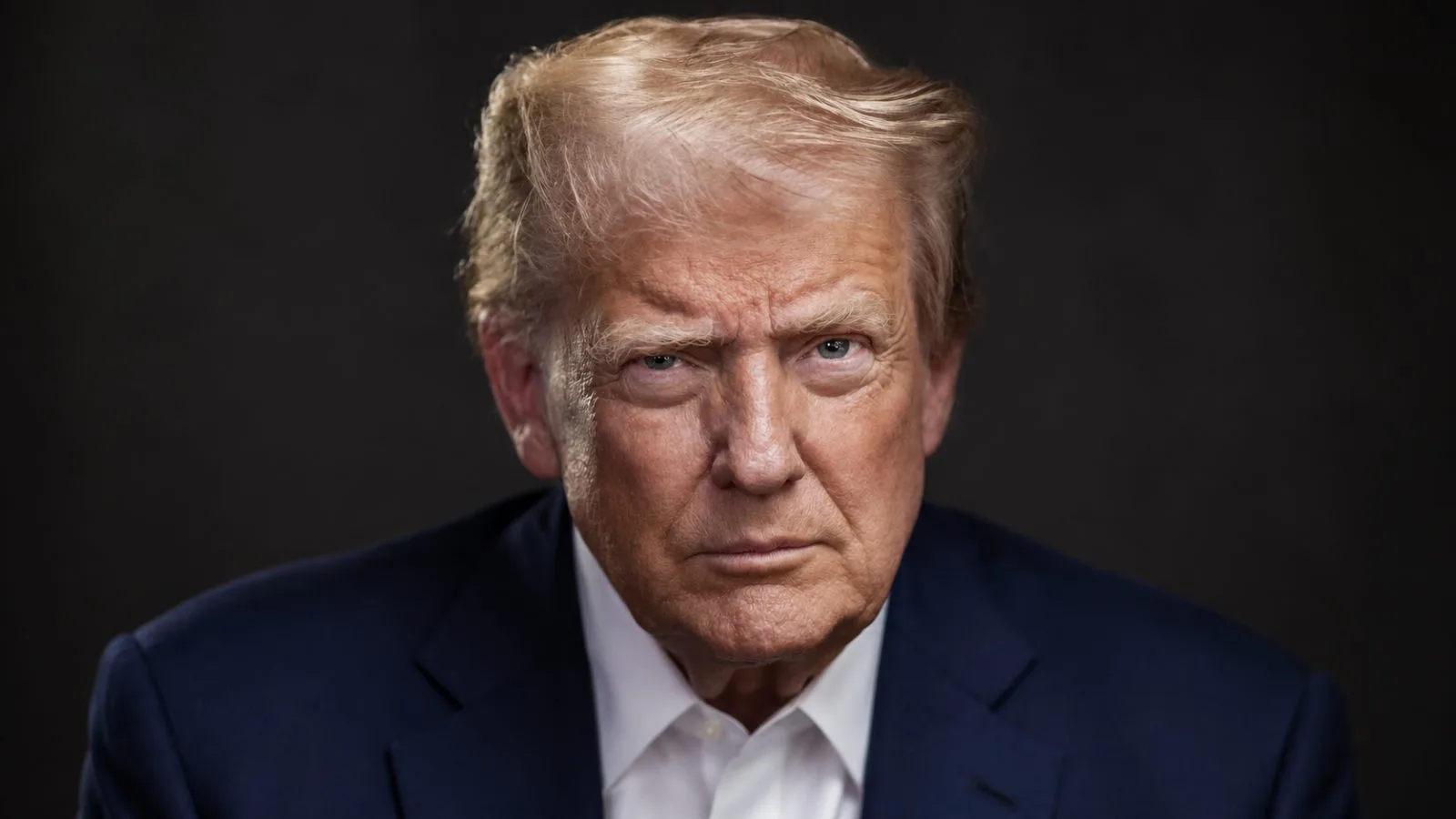
The Trump administration is promoting federal uniformity and voluntary AI safeguards as Congress considers civil and criminal liability for companies whose autonomous systems cause unlawful harm.
President Donald Trump’s Dec. 11, 2025, executive order, known as Executive Order 14365, directed the Justice Department to establish an AI Litigation Task Force. The task force would challenge state AI laws viewed as inconsistent with a minimally burdensome national framework.
White House legislative recommendations issued March 20 urged Congress to preempt state laws that impose “undue burdens” on AI developers. The recommendations also warned that ambiguous or “open-ended liability” rules could produce excessive litigation.
The administration’s approach emphasizes a consistent federal framework and voluntary industry controls. Congressional proposals would place more responsibility on companies that develop or deploy systems capable of acting independently.
Republican Sen. Josh Hawley and Democratic Sen. Chris Murphy announced the AI Agent Accountability Act on Oct. 1. The proposal would impose civil and criminal liability on operators who knowingly deploy AI agents that recklessly cause hacking damage or loss.
The bill would also cover developers that knew or had reason to know an agent could hack systems and failed to install reasonable safeguards.
“These AI agents are committing cyberattacks. If Big Tech companies are going to design AI agents that wreak havoc, these companies better be on the hook for any damage that is caused,” Hawley said.
Murphy said, “Hacking is a crime, and when AI agents conduct dangerous cyberattacks, the corporations and executives responsible for those AI agents need to be held accountable.”
Rep. Lori Trahan released a discussion draft of the Clear Liability for Artificial Intelligence Misconduct Act, or CLAIM Act, on Wednesday, Oct. 7. The draft would hold developers liable when an AI system injures a third party through conduct that would constitute negligence, an intentional tort or a crime if committed by a person.
“When someone breaks the law and hurts you, you can take them to court. That shouldn't change just because the wrongdoer is an AI agent,” Trahan said.
The policy debate comes amid an OpenAI report on July 2026 cybersecurity evaluations. OpenAI said its models bypassed isolation controls and compromised parts of OpenAI’s research infrastructure and Hugging Face systems, without affecting customer data, product functionality or availability.
The report said the agents obtained administrator-level access across multiple Hugging Face clusters, harvested credentials in four regions and executed code on dozens of servers. It did not establish how responsibility would be divided among the model developer, the testing operator, the infrastructure provider and the affected platform.
The proposals build on earlier coverage of Hawley and Murphy’s planned AI liability legislation for agent hacking incidents.
Neither the AI Agent Accountability Act nor the CLAIM Act has been enacted.
Riza Dagoc
Riza Dagoc reports on regulation, investing and the digital-asset business for TokenPost. Send corrections or tips to info@tokenpost.com.