
 Add as a preferred source on Google
Trump’s Russian Diesel Plan Faces Doubts Over U.S. Price Relief
The Treasury Department authorized Russian-origin diesel transactions through April 7, 2027, but the announced volumes may have limited effect on U.S. prices.

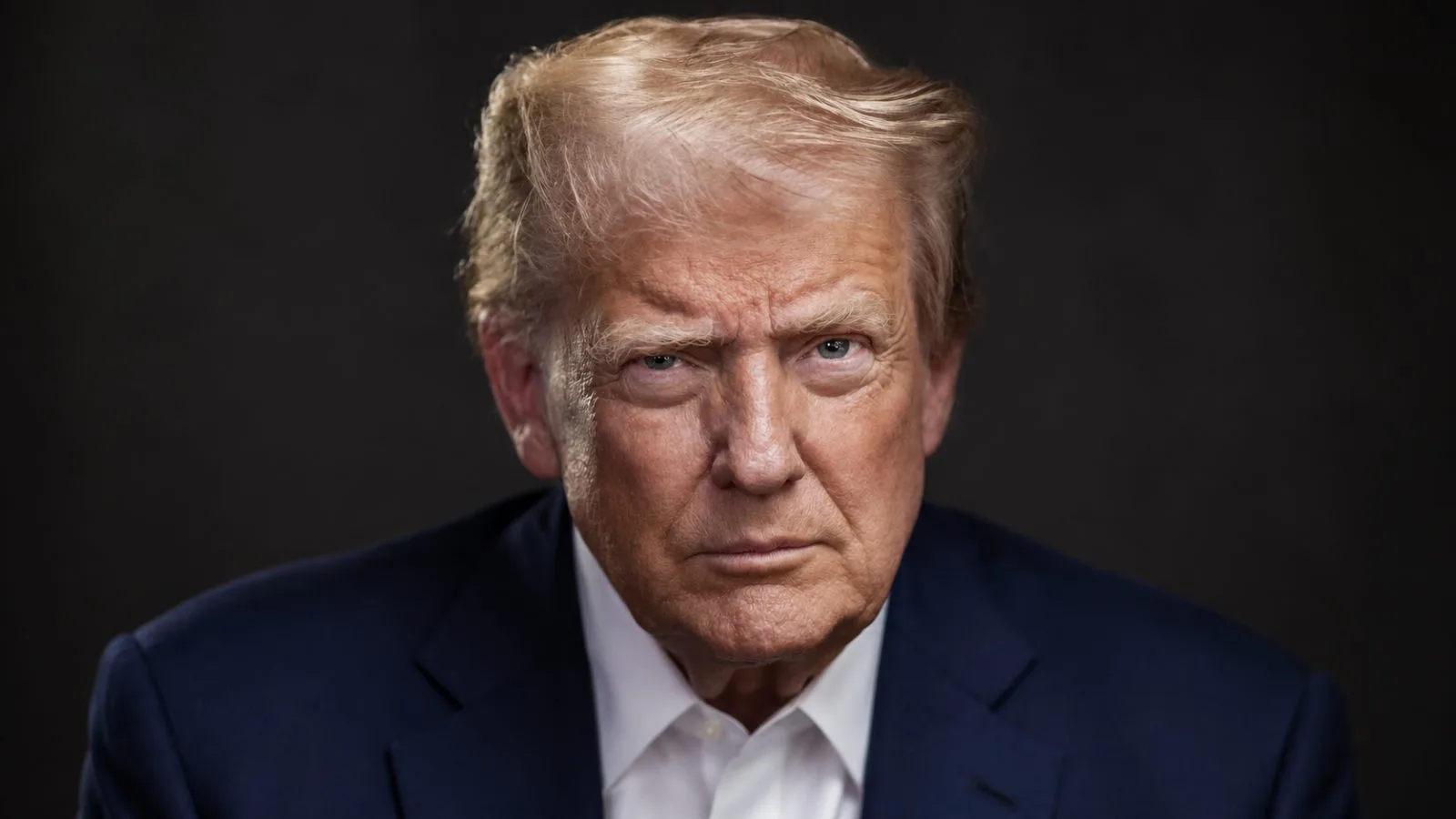
President Donald Trump’s plan to add Russian diesel to U.S. and global markets faces questions over delivery and scale, limiting its expected effect on American fuel prices.
Trump said Russia would supply more than 300,000 metric tons immediately, followed by 500,000 metric tons in November and 1 million metric tons afterward. He also outlined another 3 million metric tons, dependent on refinery conditions.
The Treasury Department’s Office of Foreign Assets Control (OFAC) issued General License 135 on Oct. 9. The license authorizes transactions involving Russian-origin diesel, including sales, delivery, offloading and imports into the United States, through 12:01 a.m. ET April 7, 2027 (04:01 UTC).
The authorization temporarily permits Russian diesel transactions despite broader U.S. sanctions targeting Russian energy revenues. The stated objective is to increase fuel availability and reduce diesel costs before the November midterm elections.
Mohit Kumar, chief European economist at Jefferies, said the announced volumes were unlikely to make a substantial difference. The effect would depend on whether the proposed supply is produced, shipped and delivered to markets that need it.
U.S. retail diesel averaged $6.29 per gallon in September 2026 and is forecast to remain above $6 per gallon in October before declining gradually. U.S. distillate inventories are expected to remain below the 2021-2025 average, while East Coast inventories were 32% below their five-year seasonal average in September.
The announced schedule did not specify how much of the proposed supply would enter the U.S. market rather than other global markets.
Trump said Oct. 11 that Russia and Ukraine had agreed to an energy ceasefire effective immediately. Ukrainian officials said the announcement was unexpected.
The diesel plan follows an earlier report on the proposed Russian supply.
Six senators — Susan Collins, Lisa Murkowski, Thom Tillis, John Curtis, Jeanne Shaheen and Richard Blumenthal — urged the administration to reverse the plan, arguing that it would provide financial support to Russian President Vladimir Putin while Russia continues its war against Ukraine.
OFAC’s authorization remains in effect until April 7, 2027.
Riza Dagoc
Riza Dagoc reports on regulation, investing and the digital-asset business for TokenPost. Send corrections or tips to info@tokenpost.com.