
 Add as a preferred source on Google
Bipartisan Senators Press Trump to Drop Russian Diesel Arrangement
The Treasury authorization covers specified Russian-diesel transactions through April 7, 2027, while lawmakers argue the policy would offer limited relief to U.S. consumers.

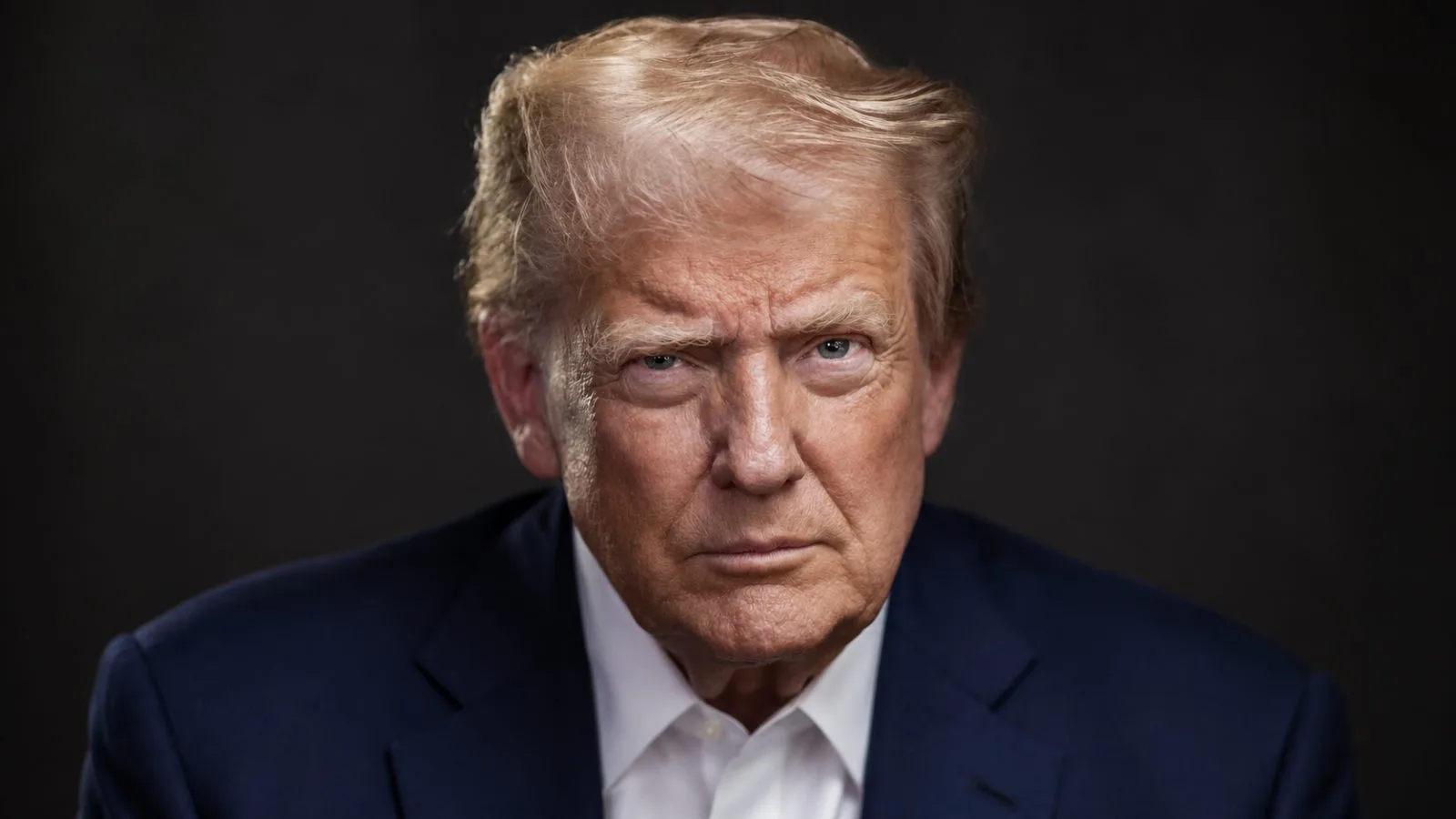
Bipartisan senators are pressing President Donald Trump to abandon a plan to add Russian diesel to U.S. and global markets, arguing the arrangement would offer limited relief to consumers while benefiting Russia during its war against Ukraine.
The dispute follows the Treasury Department’s authorization of specified transactions involving Russian-origin diesel. The Office of Foreign Assets Control (OFAC) issued General License 135 on Oct. 9, covering the sale, delivery, offloading and importation of the fuel, including imports into the United States, through 12:01 a.m. ET (04:01 UTC) April 7, 2027.
The administration has presented the additional supply as a way to ease fuel costs. President Donald Trump said Russia would provide more than 300,000 tons of diesel immediately, followed by 500,000 tons in November and 1 million tons immediately afterward. The commercial delivery schedule and buyers have not been confirmed.
The senators’ opposition centers on the conflict between the administration’s effort to increase fuel availability and the broader U.S. sanctions policy toward Moscow. An Oct. 11 statement by the Senate Foreign Relations Committee’s ranking member and six bipartisan senators said Congress banned Russian energy imports in 2022 and accused the administration of failing to consult lawmakers or provide an explanation required by law.
“The United States should not provide Putin with a financial lifeline while Russia continues to kill Ukrainian civilians,” the senators said.
The new push continues earlier Senate criticism of the Russian diesel arrangement, which has focused on whether additional supply would reduce fuel costs enough to justify permitting Russian energy transactions.
OFAC’s license establishes the transactions that may proceed, but it does not establish the commercial volumes described in the president’s supply plan. The proposed deliveries are intended for U.S. and global markets, but the plan does not specify how much fuel would reach American buyers.
The authorization remains in effect until April 7, 2027.
Riza Dagoc
Riza Dagoc reports on regulation, investing and the digital-asset business for TokenPost. Send corrections or tips to info@tokenpost.com.