
 Add as a preferred source on Google
U.S. Sanctions Target Iran’s Leaders and Revolutionary Guards Officers
The measures include people who benefit from Iran’s governing system. A prediction-market contract put the chance of President Masoud Pezeshkian leaving office by Dec. 31 at 11%.

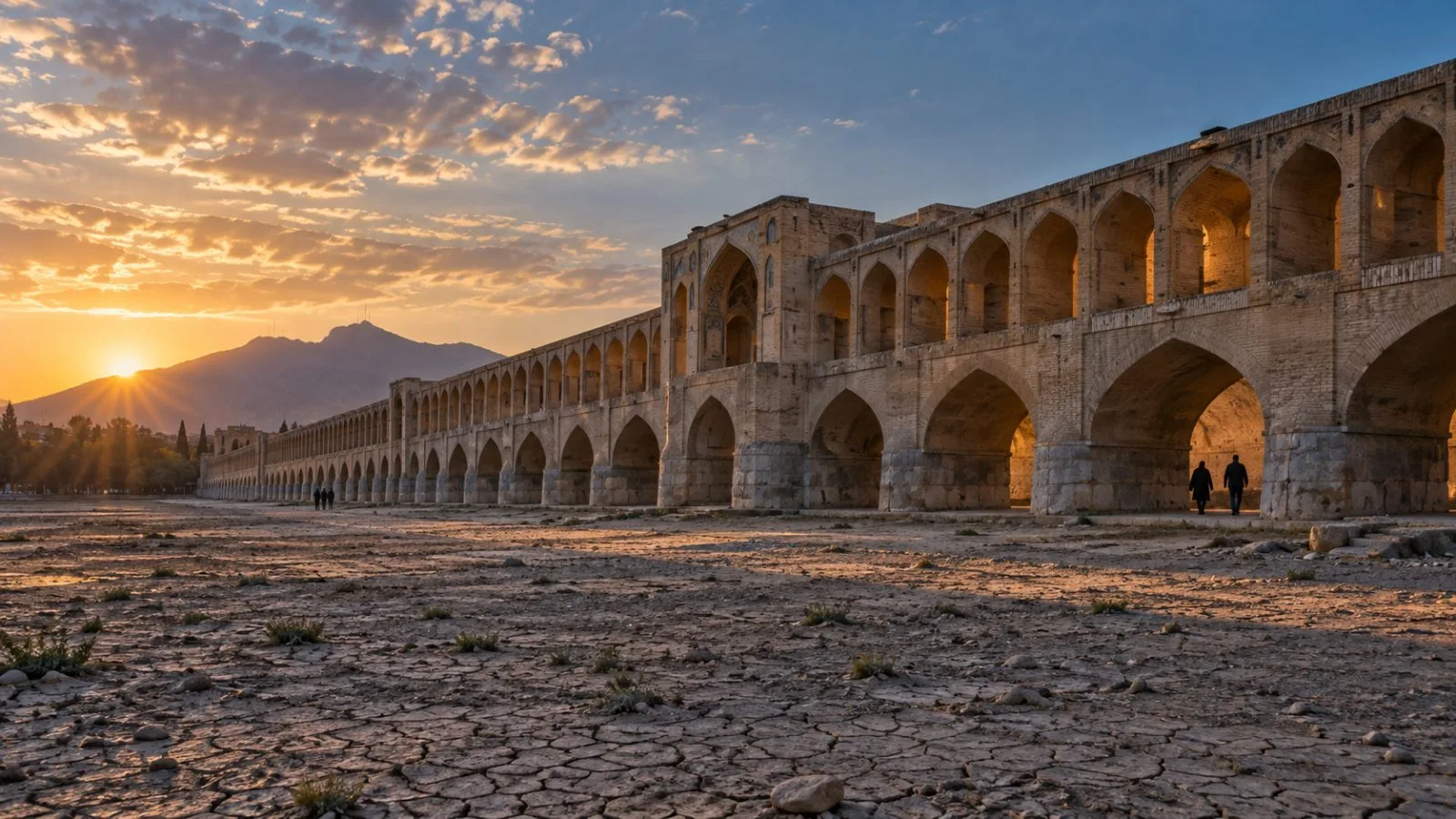
The United States has imposed sanctions on Iranian leaders and Revolutionary Guards officers, adding geopolitical pressure on Tehran as concerns grow over political stability and oil-market risk.
The targets include people who benefit from Iran’s governing system and officers of the Revolutionary Guards. The action places individuals tied to political leadership and Guard officers within the same sanctions effort. The move is aimed at disrupting financial networks linked to the leadership.
The measures may add to internal tensions and affect leadership dynamics. President Masoud Pezeshkian is one figure whose position has drawn attention: a prediction-market contract put the chance of him leaving office by Dec. 31 at 11%. That figure reflects market pricing, not confirmation that he will leave.
Observers will watch for official responses from Pezeshkian and Revolutionary Guards officials. Statements supporting or opposing current policies may offer clues about political stability. New sanctions or diplomatic developments could further affect Iran’s political landscape.
Riza Dagoc
Riza Dagoc reports on regulation, investing and the digital-asset business for TokenPost. Send corrections or tips to info@tokenpost.com.