
 Add as a preferred source on Google
Zandi Sees Little Economic Policy Change After Democrats Win Congress
He expects tariffs, Iran policy and immigration restrictions to continue. September CPI rose 3.7% year over year, while inflation-adjusted hourly earnings fell 0.7%.

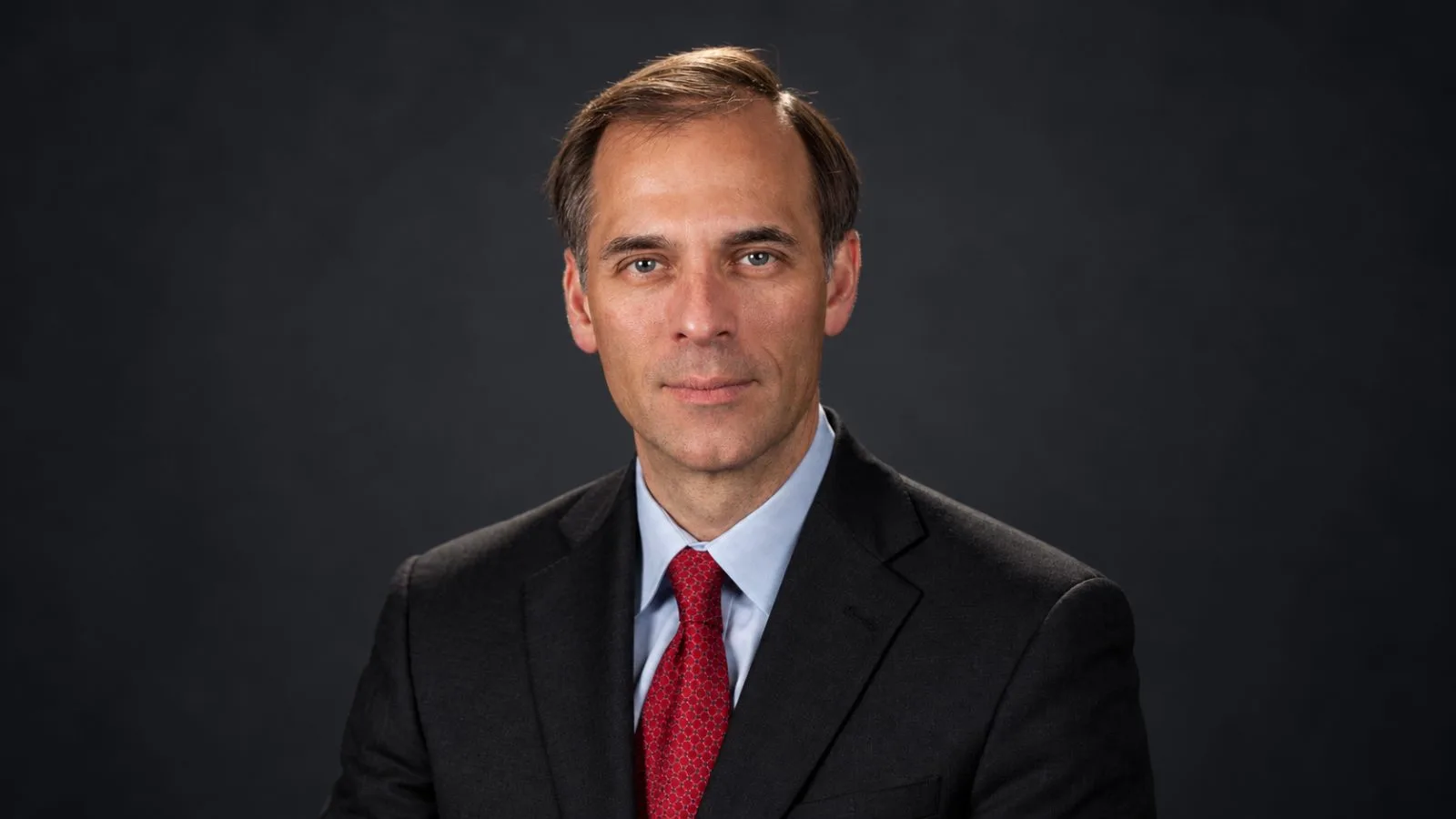
Moody’s Analytics chief economist Mark Zandi expects little change in U.S. economic policy after Democrats won both chambers of Congress, warning that growth remains vulnerable to shocks that could sharply increase recession risk.
Zandi said the Iran war, tariffs and trade measures, and immigration restrictions rely on executive action. He expects those policies to persist, weigh on growth and add pressure to inflation and interest rates. Before the election, he was concerned about inflation, a soft labor market and geopolitical risks. He has described growth as fragile in a pre-election assessment.
Economic data showed both growth and strain. Gross domestic product grew at a 3.4% annualized rate in the third quarter, and consumer spending increased 3.8%. The consumer price index rose 3.7% year over year in September. Inflation-adjusted average hourly earnings were down 0.7% from a year earlier that month.
Zandi also said growth depends heavily on artificial intelligence. He sees the economic benefit from AI as tied to stock-market valuations, leaving risks tilted to the downside.
Debt-limit negotiations could give Democrats a way to seek policy concessions. The national debt is about $40.5 trillion, while the fiscal 2026 deficit is nearing $2 trillion, or about 6.1% of GDP. Goldman Sachs chief economist Jan Hatzius identified limits on Iran policy, reversing tariffs, restoring spending and expanding health benefits as possible demands.
Gary Cohn, who led the National Economic Council during President Donald Trump’s first term, said lawmakers may find room for a compromise that puts tariffs into law. That could make them harder for a future president to reverse through executive action.
RSM chief economist Joseph Brusuelas expects the expansion to continue at about 2.5%, above trend. He estimates a 15% chance of recession over the next 12 months and said the election result did not change his forecast.
Riza Dagoc
Riza Dagoc reports on regulation, investing and the digital-asset business for TokenPost. Send corrections or tips to info@tokenpost.com.