
 Add as a preferred source on Google
Nigeria Sets 40% Liquid-Reserve Floor for Stablecoin Issuers
Existing operators have 180 days to apply for a license or authorization; issuers also must hold a separate buffer worth at least 2% of token value.

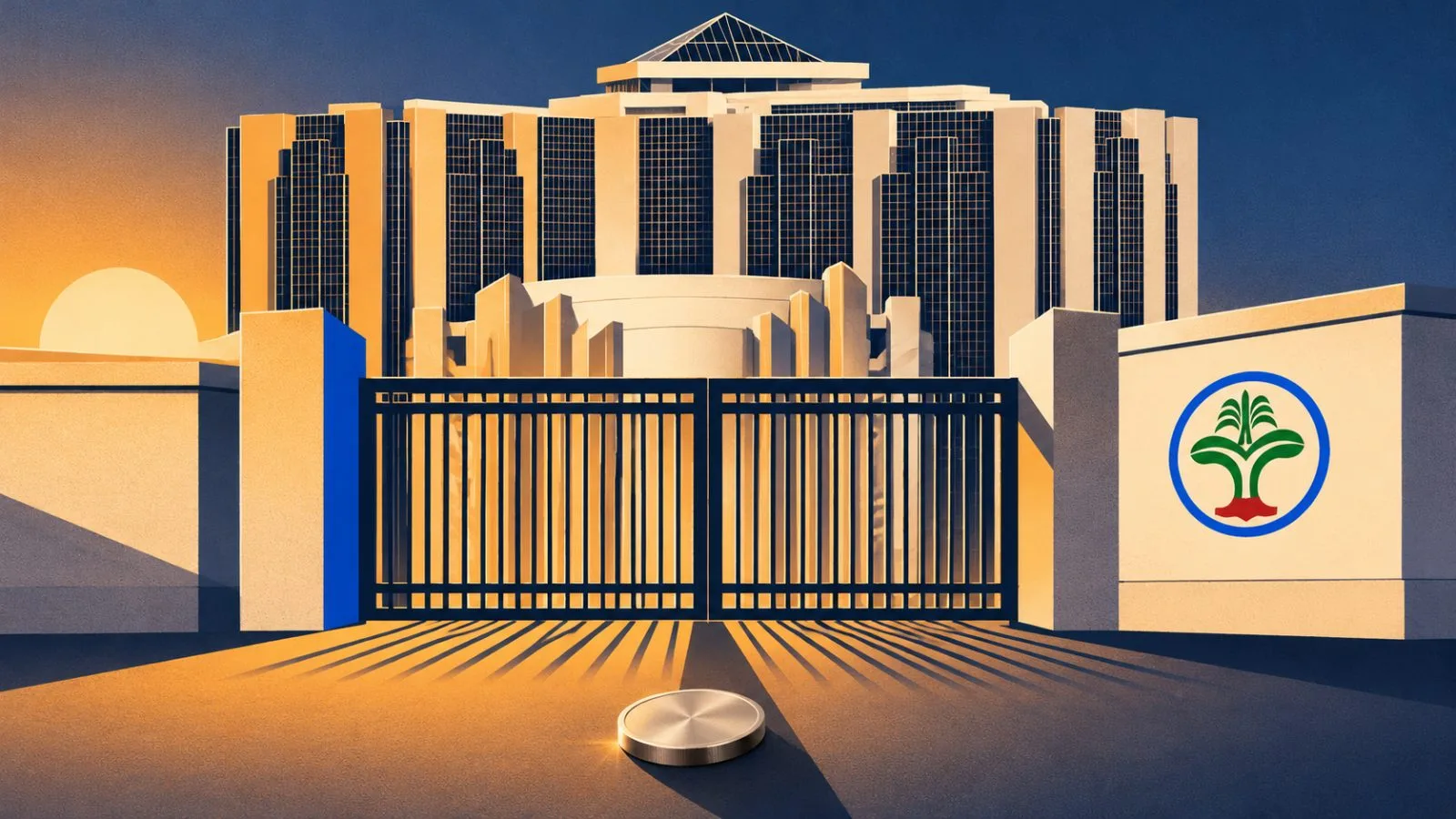
Nigeria’s Central Bank of Nigeria (CBN) put new rules for non-securities virtual-asset operators into immediate effect Nov. 6, requiring stablecoin issuers to hold liquid reserves and giving existing firms 180 days to seek authorization.
The framework covers stablecoin issuers, crypto payment providers, exchanges and custodians. Existing operators must apply for a license or authorization within the 180-day period.
Stablecoin issuers must fully back tokens with reserve assets and hold an additional buffer worth at least 2% of token value. At least 40% of reserves must be cash or qualifying highly liquid assets.
These are separate thresholds: the full backing and extra buffer apply to token value, while the 40% minimum describes the composition of reserves. The rules set a cash or high-liquidity floor alongside the licensing requirement.
The regulations are already in force. Filing within the 180-day window is the next stated step for firms already operating in Nigeria.
Riza Dagoc
Riza Dagoc reports on regulation, investing and the digital-asset business for TokenPost. Send corrections or tips to info@tokenpost.com.