
 Add as a preferred source on Google
Nestlé Vietnam Chair Says EU Rules Could Erode Vietnam Coffee's Price Edge
Binu Jacob warned that exporters seeking EU sales may need to meet tougher sustainability standards as deforestation rules begin applying to most companies on Dec. 30, 2026.

Nestlé Vietnam Chairman and Managing Director Binu Jacob warned that Vietnamese coffee exporters seeking European Union sales may lose their low-cost advantage unless they meet tougher sustainability standards.
At a Nov. 3 summit in Ho Chi Minh City, Jacob said Vietnam’s reputation as a source of inexpensive coffee could become a drawback for sellers seeking European buyers. He urged producers to move toward higher-value output and make sustainable coffee that meets stricter standards.
Vietnam is the world’s second-largest coffee producer and the leading producer of robusta, a variety commonly used in instant coffee. Europe accounts for about 24% of global coffee consumption, making the region an important market for Vietnamese producers.
Jacob described the shift as an opportunity for the industry to keep more value in Vietnam. He said the country’s small farms could make it easier for growers to move from traditional methods to regenerative farming.
A multiyear project called SustainCoffee, backed by the EU, aims to help Vietnam’s coffee industry meet international environmental, social and governance standards. Its goals include supporting more than 400 coffee-related businesses and indirectly benefiting an estimated 1.4 million farmers and supply-chain workers.
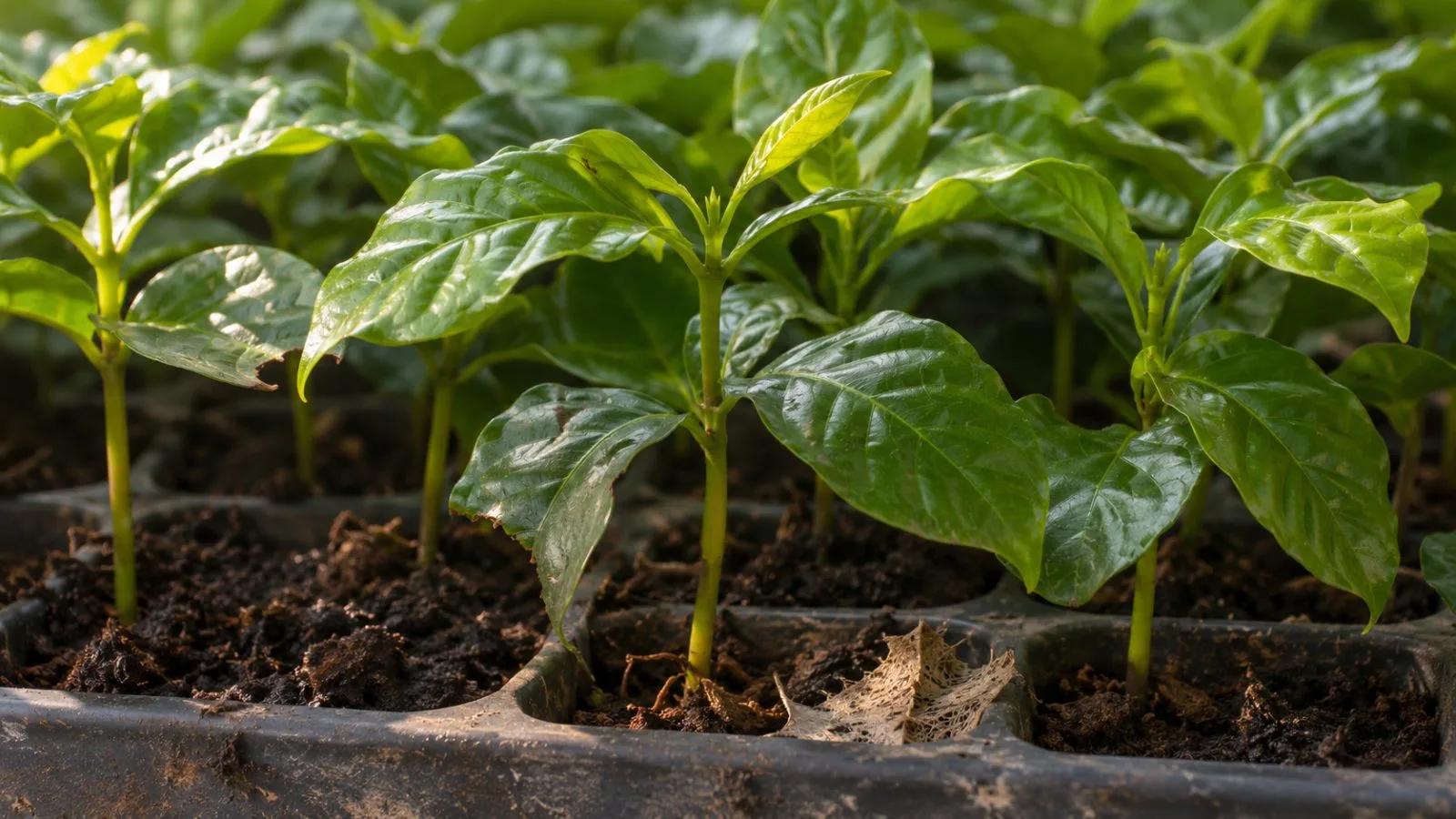
Nestlé has partnered with the Western Highlands Agriculture and Forestry Science Institute to develop coffee plantlets suited to Central Highlands soil conditions. Jacob said the company has used tissue culture for 15 years, producing 100 million disease-resistant plantlets and distributing them to farmers across central Vietnam at subsidized rates.
Jacob said the process can produce 2,000 trees from one leaf. He also said Vietnam’s coffee productivity and yields are three times the global average and that the results could be replicated elsewhere.
The EU Deforestation Regulation is scheduled to apply to most companies beginning Dec. 30, 2026, while some smaller businesses have until later in 2027. The regulation targets deforestation associated with covered goods and seeks to limit the EU’s impact on greenhouse gas emissions and biodiversity loss.
Riza Dagoc
Riza Dagoc reports on regulation, investing and the digital-asset business for TokenPost. Send corrections or tips to info@tokenpost.com.