
 Add as a preferred source on Google
Trump blames higher fuel prices for midterm losses, says Gulf states want Iran war prolonged
Trump said higher gasoline prices and weak Republican candidates contributed to midterm losses. He claimed Gulf states preferred to give financial pressure on Iran more time to work.

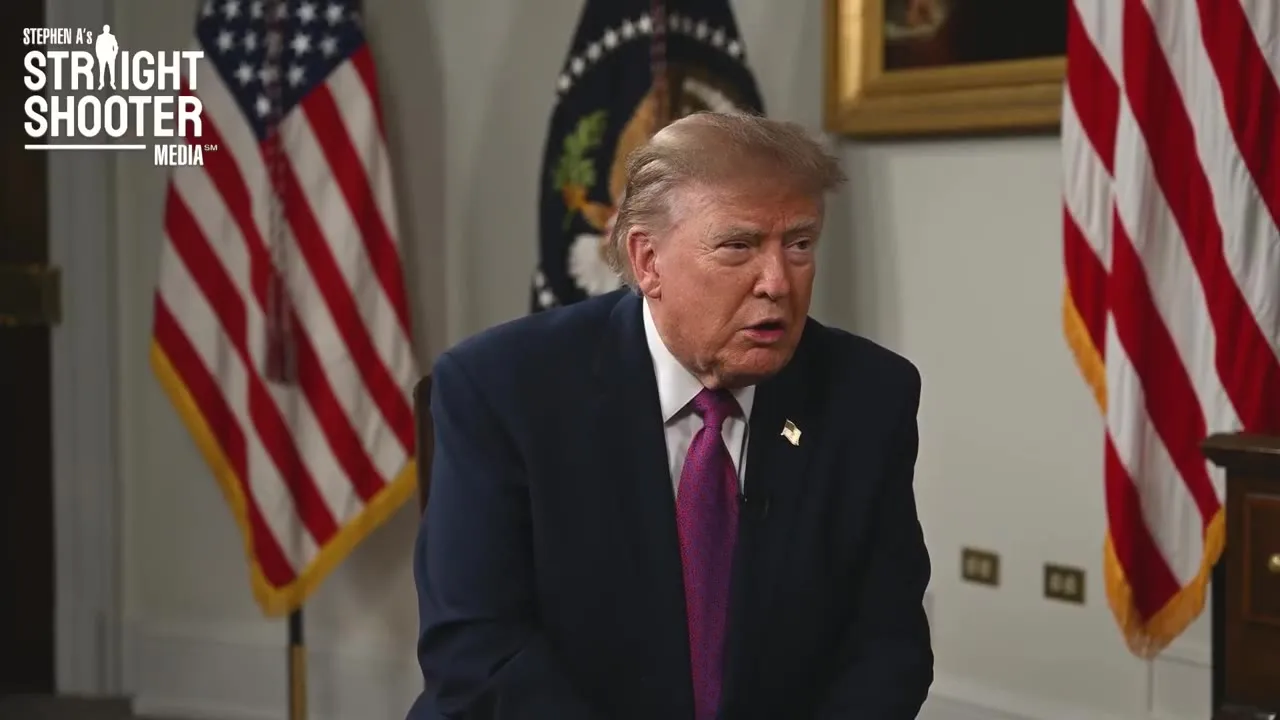
Higher gasoline prices linked to the war with Iran and weaknesses among Republican candidates contributed to the party’s midterm losses, President Donald Trump said. He defended the military action as necessary to prevent Iran from obtaining a nuclear weapon while acknowledging its short-term political cost.
In a November 12 interview with Stephen A. Smith in the White House Roosevelt Room, Trump discussed the election results and his approach to Iran. He said rising gasoline prices appeared to have had the biggest impact on voters, but argued that the cost was justified by the need to stop Iran from acquiring a nuclear weapon.
Asked whether both living costs and dissatisfaction with Republican candidates had hurt the party, Trump said both factors played a role. He maintained that action against Iran was necessary, acknowledged that it was politically difficult in the short term and said he hoped history would judge the decision favorably.
Trump repeatedly stressed that he had not personally been on the ballot. Citing his previous victories in Texas, Florida and Ohio, he suggested voters may not have believed in the Republican candidates running this time. He said he liked some of his endorsed candidates less than others but considered all of them preferable to Democrats on policy.
He also criticized how some candidates campaigned. Trump said some appeared to believe his endorsement meant they could skip debates and had failed to work hard enough. He described debates as particularly important in close races and said avoiding them had been a mistake.
On Iran, Trump maintained that military action had been necessary despite the electoral consequences. He said wars were always difficult during elections and argued that previous presidents should have acted much earlier. He claimed the operation had removed Iran’s ability to obtain a nuclear weapon and pledged to keep it from doing so.
Trump attributed the decision to prolong the conflict to requests from countries the United States was seeking to protect. He said Saudi Arabia, Qatar, Kuwait, the UAE and Bahrain preferred to allow the current approach more time, arguing that financial pressure was deepening Iran’s economic difficulties.
Trump claimed Iran’s navy, air force and air defenses had largely been eliminated, while acknowledging that he did not fully agree with the preference to wait. He said the countries the United States was protecting, including Israel, favored continuing the current approach, presenting their requests as the reason the war was still underway.
Riza Dagoc
Riza Dagoc reports on regulation, investing and the digital-asset business for TokenPost. Send corrections or tips to info@tokenpost.com.