
 Add as a preferred source on Google
Lawmakers Seek Answers on Trump’s Handling of Nvidia Intelligence Warnings
Trump had received at least two warnings about an intelligence assessment involving Alice Huang before urging former Nvidia CEO Jensen Huang to stay. Three House committee chairs want Huang to testify Wednesday, Nov. 18.

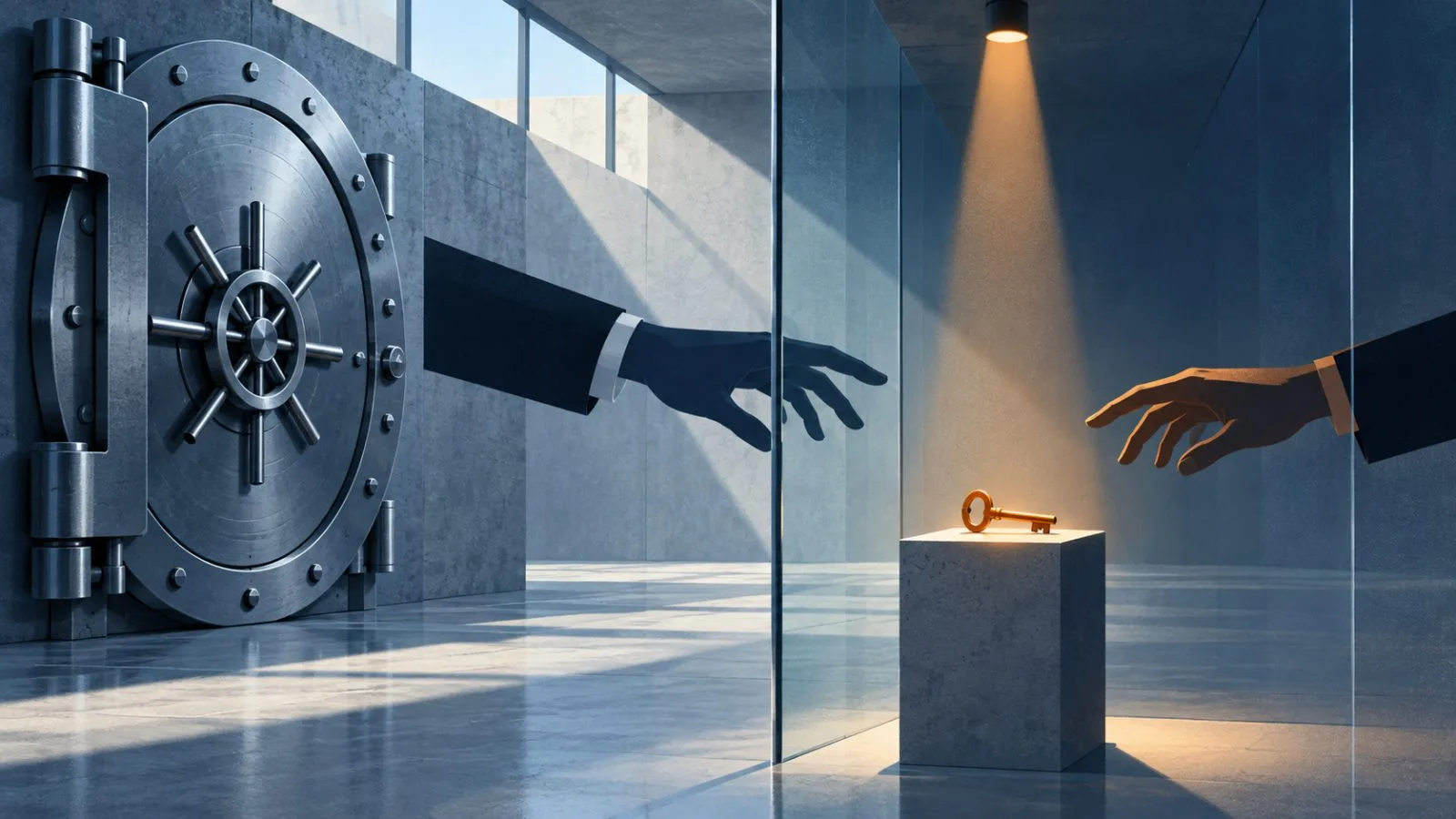
Bipartisan lawmakers are scrutinizing the Trump administration’s response to intelligence warnings involving Alice Huang, who had been dating former Nvidia CEO Jensen Huang, as questions span national security and chip exports to China.
President Donald Trump urged Huang to stay in his post during a call Tuesday, Nov. 10. Trump also said Thursday, Nov. 12, that he had spoken with Huang the previous day. Huang announced Thursday, Nov. 12, that he was leaving as Nvidia’s CEO, president and board member, effective immediately. Chief Financial Officer Colette Kress became acting CEO.
Trump had received at least two intelligence warnings, one in late 2025 and another in spring 2026. The warnings conveyed an intelligence assessment that Alice Huang, who was dating Jensen Huang, had been recruited by China’s Ministry of State Security. Trump said Monday, Nov. 9, that he had asked Huang whether he knew the woman was suspected of being a spy. Trump said Huang told him he did not, and that he believed him.
The Justice Department had not determined that Alice Huang was a Chinese spy, Attorney General Todd Blanche said Thursday, Nov. 12. The FBI was investigating reports that she had worked for the Chinese government. Beijing denied the allegation, and no public evidence has shown that Jensen Huang passed sensitive information to China.
Singapore’s Ministry of Home Affairs said Alice Huang was barred from returning to the country after leaving in February. The ministry said the matter was unrelated to espionage. Huang previously held an executive position at Singapore data center operator Megaspeed.
Senate Democratic Leader Chuck Schumer asked whether Trump’s relationship with Huang had led officials to discourage an investigation. Schumer also questioned what Trump knew when he invited Huang aboard Air Force One. Senate Majority Leader John Thune said a congressional inquiry was reasonable on national security grounds.
Three Republican House committee chairs requested closed-door testimony from Huang on Wednesday, Nov. 18. His team said it would cooperate. Republican Rep. John Moolenaar, who chairs a House committee focused on China, said the success of U.S. AI companies serves the national interest, while warning against companies sending their most advanced chips to Chinese firms.
Democratic ranking members of the Senate Finance and House Ways and Means committees are examining the administration’s arrangement for Nvidia chip exports to Chinese companies. Separately, Sen. Elizabeth Warren asked Commerce Secretary Howard Lutnick why gaps in export controls remained.
Riza Dagoc
Riza Dagoc reports on regulation, investing and the digital-asset business for TokenPost. Send corrections or tips to info@tokenpost.com.