
 Add as a preferred source on Google
Senator urges tighter AI chip export controls, warns against White House role in board decisions
Senator Dave McCormick called for tighter controls on advanced AI chip exports to China and warned that executive branch involvement in corporate board decisions could set a troubling precedent.

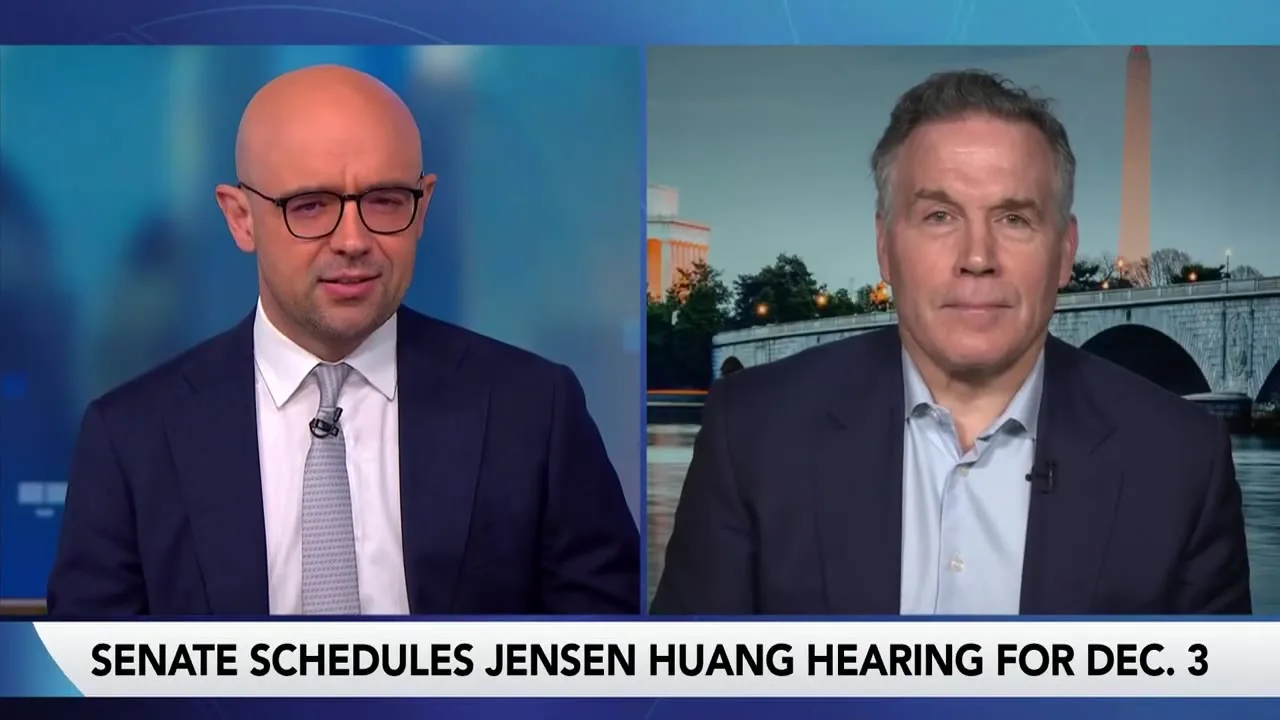
U.S. export controls should be strengthened to prevent China from gaining access to advanced AI chips, including through remote connections, Senator Dave McCormick said. He also warned against executive branch involvement in corporate board decisions.
In a Bloomberg interview on November 24, McCormick said allegations involving Jensen Huang remained unresolved and called for scrutiny of their national security implications and access to advanced chips.
McCormick said officials should determine whether any laws were broken, whether a relationship with a woman compromised national security and whether she was a Chinese spy. He also called for an investigation into whether Commerce Department rules were circumvented to give China access to advanced chips through remote connections or other means.
He said advanced chips give the United States an advantage in its AI competition with China and argued that the allegations could add momentum to legislation restricting exports of the technology.
McCormick said he introduced the Remote Access Security Act nearly a year ago to block backdoor access to advanced chips through data centers. He called for export control laws to be updated to reflect technological change and give officials more specific authority over remote access.
The senator said less advanced chips could be exported to China, but the most advanced technology should be protected. He disputed Huang's argument that greater chip exports would make China more dependent on the United States, saying that sharing the technology would instead accelerate China's development of its own capabilities.
Asked whether Huang's reinstatement was appropriate, McCormick declined to judge the board's decision. He said public officials were responsible for protecting the interests of Americans and that hearings should resolve the outstanding questions.
McCormick said he was concerned about the precedent set by executive branch involvement in corporate ownership deals and board governance. He said future presidents and companies could face similar situations and that such intervention should not be encouraged.
McCormick said government support could be necessary for industries important to national security and competitiveness, citing shipbuilding and semiconductors. But he argued that intervention should be limited and consistent, warning that broad involvement could undermine the competitive advantage of a capitalist system that allocates capital according to merit and opportunity.
Riza Dagoc
Riza Dagoc reports on regulation, investing and the digital-asset business for TokenPost. Send corrections or tips to info@tokenpost.com.