Pentagon Investigation Links AI Reliance to Fatal Iran School Strike
A Feb. 28 missile attack killed more than 150 people, including at least 123 children, after outdated imagery and disconnected intelligence records went uncorrected.

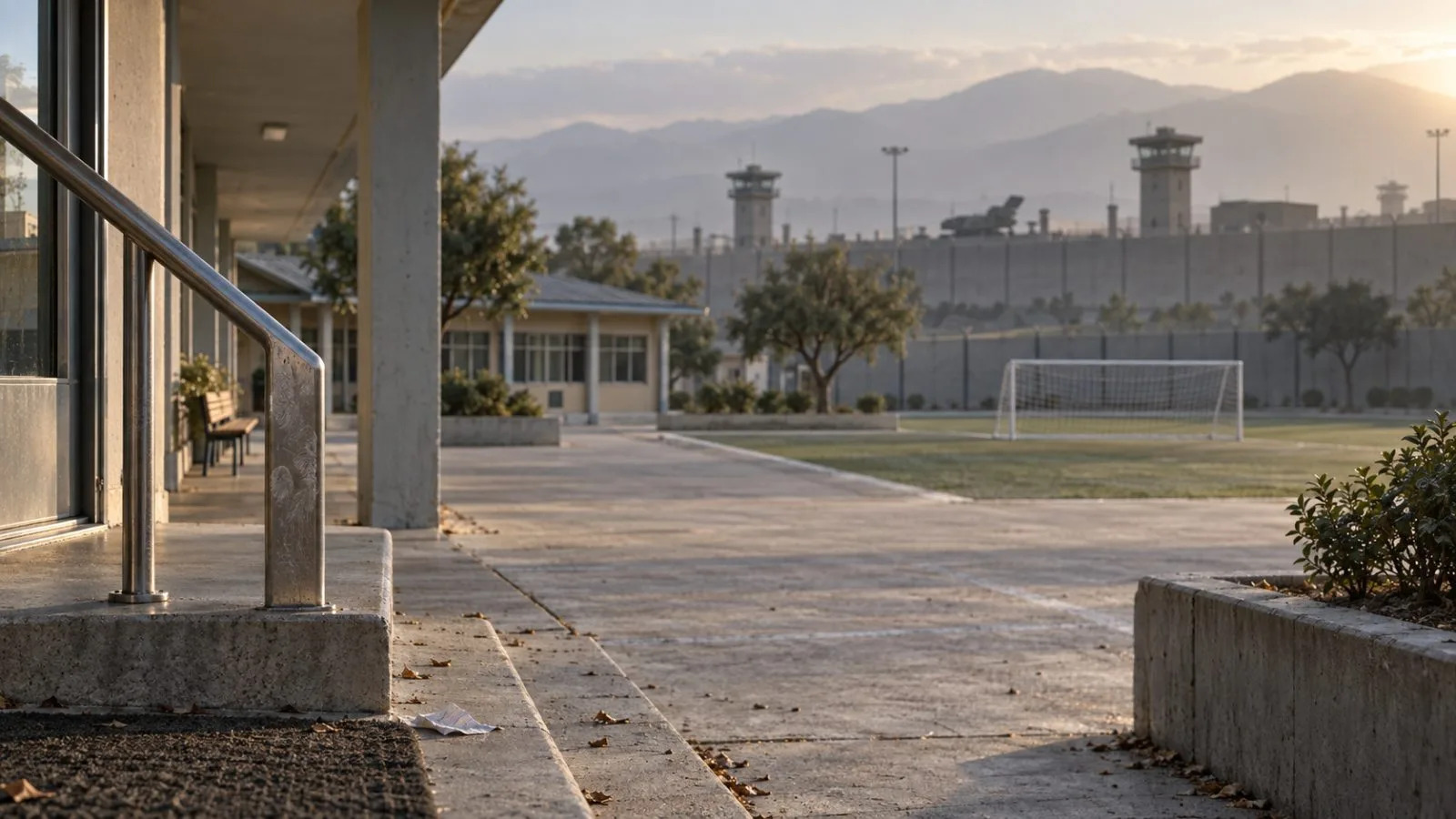
A Pentagon investigation linked a deadly Feb. 28 missile strike on a school in Minab, Iran, to outdated intelligence, old satellite imagery and heavy reliance on artificial intelligence during a compressed targeting process.
Two Tomahawk missiles hit the Shajarah Tayyebeh elementary school and its grounds, killing more than 150 people, including at least 123 children.
The inquiry described the attack as the result of multiple smaller decisions rather than one decisive error. The Trump administration ordered an overwhelming air campaign against Iran, with more than 1,000 targets hit during the first 24 hours. The pace reduced the time available for final checks before strikes were approved.
The Minab location had been classified as a military facility years earlier, but later commercial imagery showed that its use had changed. A wall and entrance separating the school from a military base were completed around 2017. Imagery from 2018 showed painted walls, a soccer field and markings used to organize students.
An analyst recorded the site’s changes as early as 2019, but the observation was kept in a system that did not connect to the main military intelligence database used for target information.
Palantir’s Maven Smart System, an AI-enabled software platform, also became embedded in the broader combat process. Maven combines more than 150 data sources into a common information set for commanders and was positioned between initial intelligence inputs and later review. Tasks that had previously taken several hours were reduced to minutes before the Iran strikes. Palantir said it was not responsible for the underlying intelligence or for identifying gaps in that intelligence, and that no evidence showed its software was at fault in the Minab strike.
Some personnel expected Maven to detect outdated or conflicting intelligence, even though the basis for that expectation was unclear.
The investigation also examined reductions in civilian-harm mitigation teams. Several teams lost about 90% of their personnel, leaving fewer than 20 people overall. The U.S. Central Command team fell from 10 members to one, and no civilian-harm mitigation specialist reviewed the Minab target before the attack.
The full investigation was launched in March and has remained unpublished, despite being nearly complete for months. Central Command commander Gen. Brad Cooper told lawmakers in May that he would provide transparency, but the scope of any public release remains uncertain.