OKX Star Challenges THORChain’s Claim of Decentralization
Star said THORChain’s validator-controlled threshold-signature vaults still function as an intermediary between users and native blockchains.




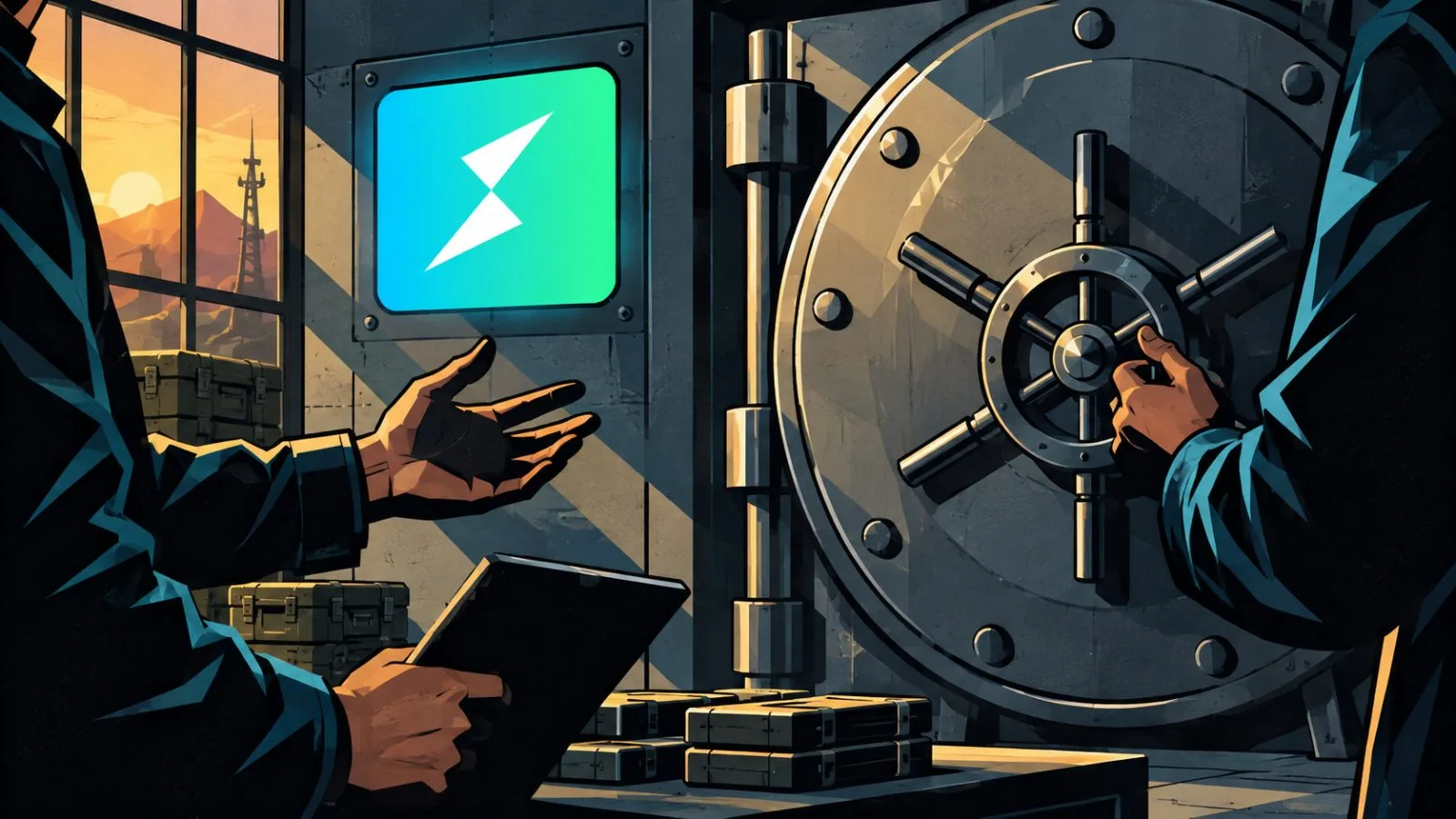
OKX Star challenged THORChain’s claim to decentralization, arguing that its validator-controlled vaults leave the network functioning as an intermediary between users and native blockchains.
THORChain validators jointly control assets held in threshold-signature (TSS) vaults. Once the required number of validators reaches the signing threshold, the funds can be moved.
Star argued that distributing control among multiple participants does not remove the intermediary role. The structure, Star said, should not be equated with the underlying consensus mechanisms of Bitcoin and Ethereum.
The debate followed the movement of some stolen Bitget funds through THORChain. THORChain maintains that it is decentralized and permissionless, like Bitcoin, Ethereum and BNB Chain, and has questioned what responsibility those networks should bear when known stolen funds pass through them.
The dispute adds to pressure on cross-chain protocols over how their custody and validator models handle assets linked to hacks. Bitget’s request for action against the funds previously highlighted the protocol’s rules and decentralized operating structure in an earlier TokenPost report.