Project Eleven Acquires Riva Labs for Post-Quantum Crypto Security
The deal adds Riva’s wallet, hardware-signing and cryptography technology to Project Eleven’s effort to help digital-asset networks prepare for quantum computing threats.





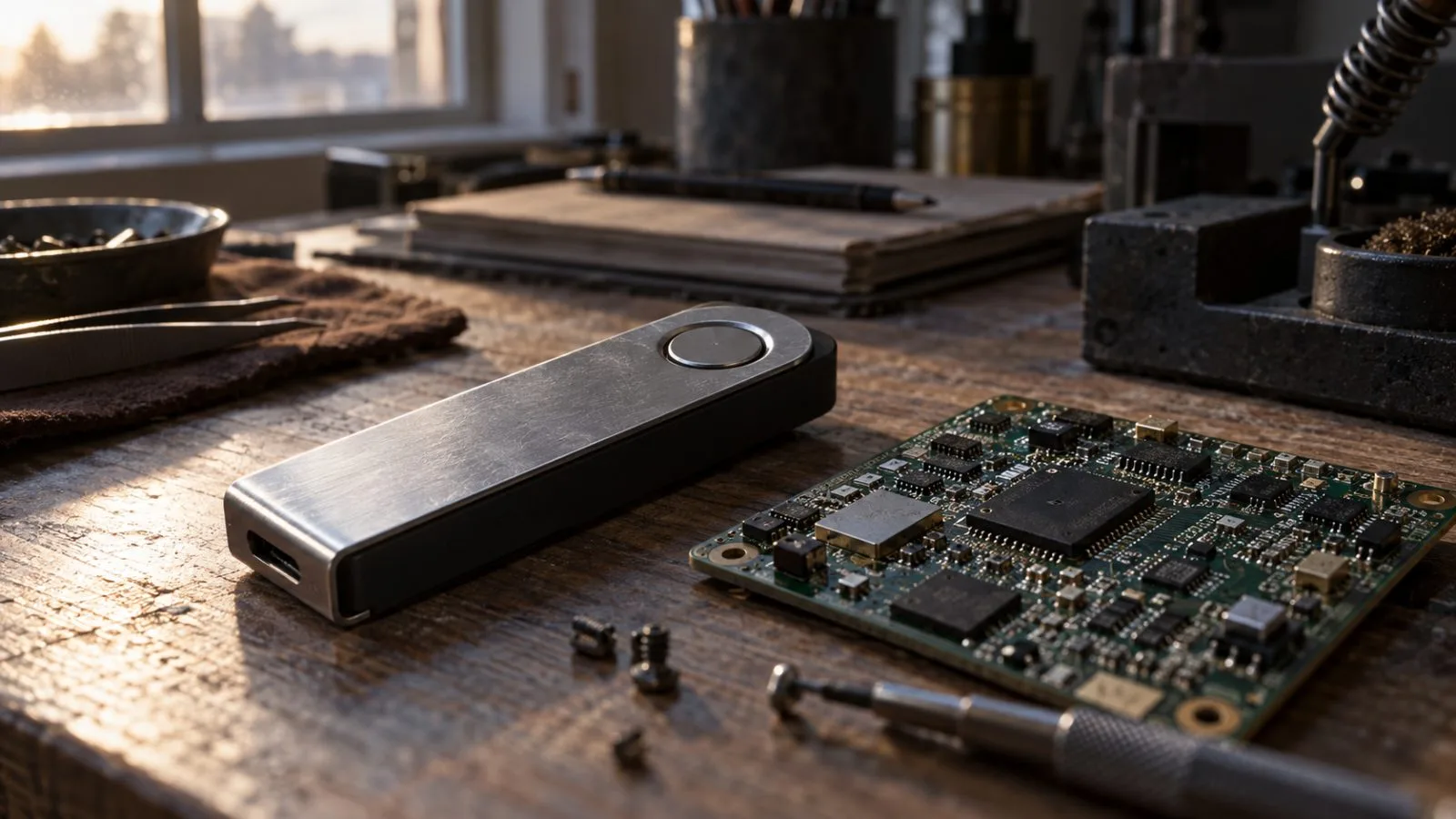
Project Eleven acquired cryptography engineering team Riva Labs on Sept. 29, adding post-quantum wallet and signing technology as it develops tools to help digital-asset networks prepare for powerful quantum computers.
The companies did not disclose the acquisition price or other terms. Riva’s team, intellectual property and technology will be folded into Project Eleven’s research and product work covering digital-asset custody, blockchain security and post-quantum cryptography.
Riva has worked on hash-based signatures, a category of cryptographic signatures designed to withstand attacks from quantum machines. Its work has been applied to software wallets, hardware signers and multi-party computation systems on Ethereum and other public blockchains.
Multi-party computation allows cryptographic operations to be distributed across multiple participants instead of relying on one complete private key. Riva has also worked on account abstraction and recently demonstrated post-quantum signing on consumer hardware.
The acquisition brings in a technically focused team working to turn cryptographic research into deployable systems. It also expands Project Eleven’s ability to support the transition to post-quantum security across digital assets.
The two teams approached the problem from different directions but reached similar conclusions about the industry’s needs. Upgrading public networks without weakening their core properties remains a major challenge.
Most blockchains, including Bitcoin (BTC) and Ethereum, use signature systems that a sufficiently powerful quantum computer could theoretically break. Developers are therefore evaluating upgrades to quantum-resistant alternatives, although commercially viable quantum applications have not yet arrived.
Project Eleven has framed the migration as a connected effort involving signatures, wallets, key management and protocol infrastructure. The company has also said artificial intelligence is accelerating both cryptographic research and attempts to defeat cryptographic systems.
Project Eleven raised $20 million in a Series A round in January. It has worked with the Solana Foundation on quantum-resistant transactions on a test network, while Ripple has worked with the company on validator testing and early custody prototypes for the XRP Ledger.