
Cheaper Ethereum Rollup Data Pressures Smaller Layer 2 Networks
Blast and Abstract are winding down as lower data costs reduce transaction revenue while operators continue paying for infrastructure, security and development.

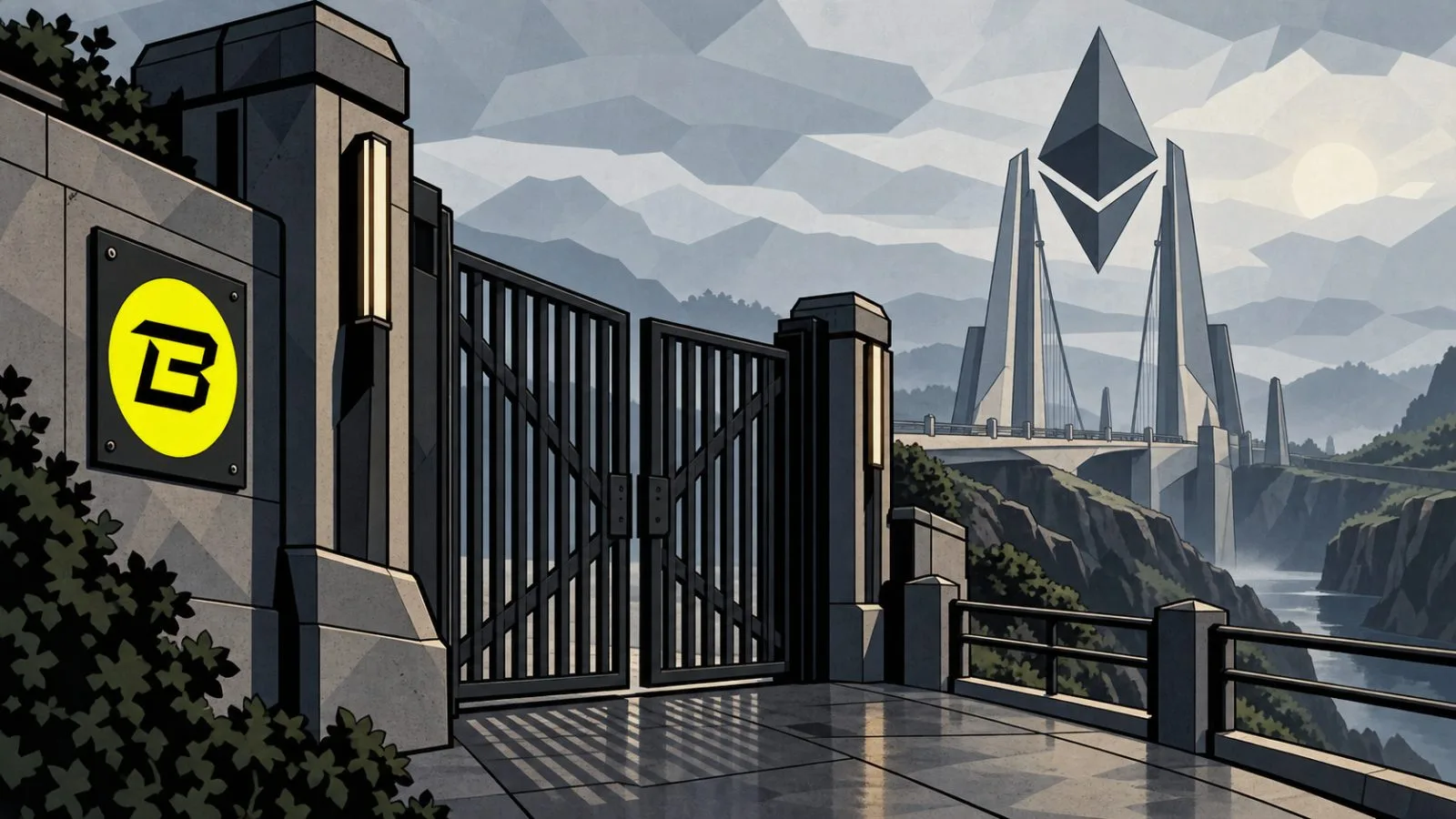
Blast and Abstract are winding down their Ethereum layer 2 networks as cheaper rollup data reduces transaction costs for users but limits the fees smaller operators can collect.
Blast announced Oct. 2 that its operating costs exceeded revenue generated by the network and asked users to move their assets to Ethereum by Oct. 26, 2026. Assets will remain recoverable through Ethereum bridge contracts after the interface deadline.
Abstract announced Oct. 6 that it will shut down Dec. 15, 2026. Funds not bridged by that date will become inaccessible. The network said its consumer-focused model was not sustainable as a standalone business.
Igloo CEO Luca Netz said the company had lost “tens of millions of dollars” funding Abstract. The company decided against launching a token or initial coin offering to continue financing the network.
The developments extend earlier coverage of Blast’s planned shutdown and highlight a distinction in Ethereum’s scaling model: lower data costs can increase activity while reducing the revenue available to network operators.
Ethereum’s EIP-4844 upgrade introduced temporary blob data and a separate fee market for rollups. Rollups process transactions outside Ethereum and publish data to the network, allowing users to benefit from lower costs. More than 90% of rollup transaction costs historically came from data storage.
Those savings do not cover every expense involved in running a layer 2. Operators may still pay for sequencer infrastructure, engineering, security, customer support, incentives, legal work and application development. A low-volume network must also decide whether to wait until a blob is fuller or publish more often with unused capacity.
Blast described the financial pressure in its shutdown announcement, saying the continuing cost of maintaining the chain exceeded the revenue generated by the layer 2. Abstract also reported more than 325 million transactions, over $6 billion in decentralized-exchange trading and more than $40 million in revenue generated for applications on the network.
Those figures do not show how much revenue Abstract retained. Application fees may go to individual applications instead of the layer 2, while some networks share revenue with technology providers or ecosystem partners. Competition can also push operators to pass lower data costs on to users, limiting the effect on their margins.
The amount of value secured on a network is another incomplete measure of financial performance. Transaction counts, trading volume, wallet activity and secured value can demonstrate usage without establishing whether the operator is profitable.
The immediate deadlines are now set: Blast users have until Oct. 26 to move assets through the network’s interface, while Abstract’s shutdown is scheduled for Dec. 15.
Simon Yoon
ReporterSimon Yoon reports on blockchain technology for TokenPost. Send corrections or tips to info@tokenpost.com.