
 Add as a preferred source on Google
Data Centers Draw Public-Market Investment as Political and Grid Risks Rise
Blackstone Digital Infrastructure Trust and Csquare entered public markets as artificial intelligence demand grows, while permitting, power and construction constraints challenge expansion plans.

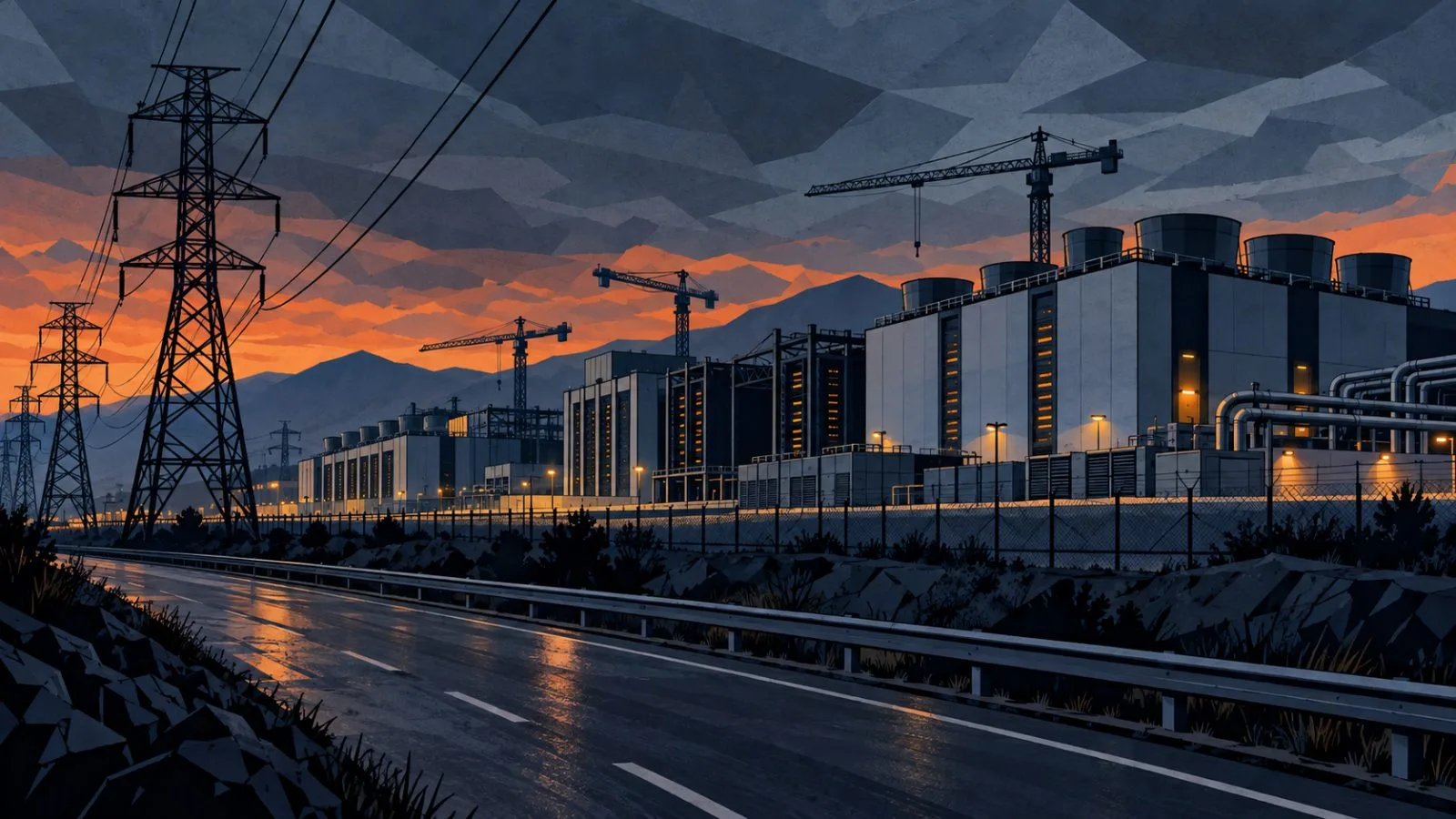
Public-market vehicles are expanding access to data-center investments as artificial intelligence demand grows, but political opposition, grid constraints and construction risks are testing the sector’s expansion plans.
Blackstone Digital Infrastructure Trust Inc. sold 87.5 million shares at $20 each in its May initial public offering and began trading on the New York Stock Exchange under BXDC. As of June 30, BXDC had not acquired any data-center assets.
The company is targeting stabilized properties leased to investment-grade hyperscale tenants. Its strategy depends on raising capital, securing electricity and permits, completing construction and maintaining demand from a concentrated group of technology companies.
Csquare also entered the public markets this year. It sold 50 million shares at $21 each in its July IPO and later sold 7.499 million additional shares after underwriters exercised their option. Total net proceeds were approximately $1.1596 billion, and the company trades on the NYSE under CSQR.
The vehicles offer investors exposure to infrastructure that can generate revenue through long-term leases with large technology companies. Data centers require substantial upfront capital, reliable electricity, water, cooling systems and network connections.
Public opposition is adding pressure. A survey conducted from March 2 to March 18 found that 71% of Americans opposed building an artificial-intelligence data center in their area. Forty-eight percent strongly opposed such construction, while 27% favored it.
New York Gov. Kathy Hochul signed an executive order July 14 creating a one-year pause on approvals for new hyperscale data centers. In Texas, Gov. Greg Abbott directed the Texas Commission on Environmental Quality on Sept. 21 to halt data-center permits until the Electric Reliability Council of Texas completes an audit.
ERCOT was considering more than 474 gigawatts of data-center connection requests. The figure has raised questions about the grid impact of planned facilities.
“Simply put, Texans must come first,” Abbott said Sept. 21.
The investment case faces risks across capital availability, electricity access, permitting, construction, tenant concentration, refinancing and project-completion schedules. Planned facilities must clear those hurdles before the sector’s projected demand can translate into operating assets.
Simon Yoon
ReporterSimon Yoon reports on blockchain technology for TokenPost. Send corrections or tips to info@tokenpost.com.