
 Add as a preferred source on Google
AI Shopping Agents Could Reshape Retail Discovery for Amazon, Costco and TJX
Meta’s Muse can compare products and complete approved purchases across connected apps, while major retailers develop defenses through scale, membership models and store-based discovery.

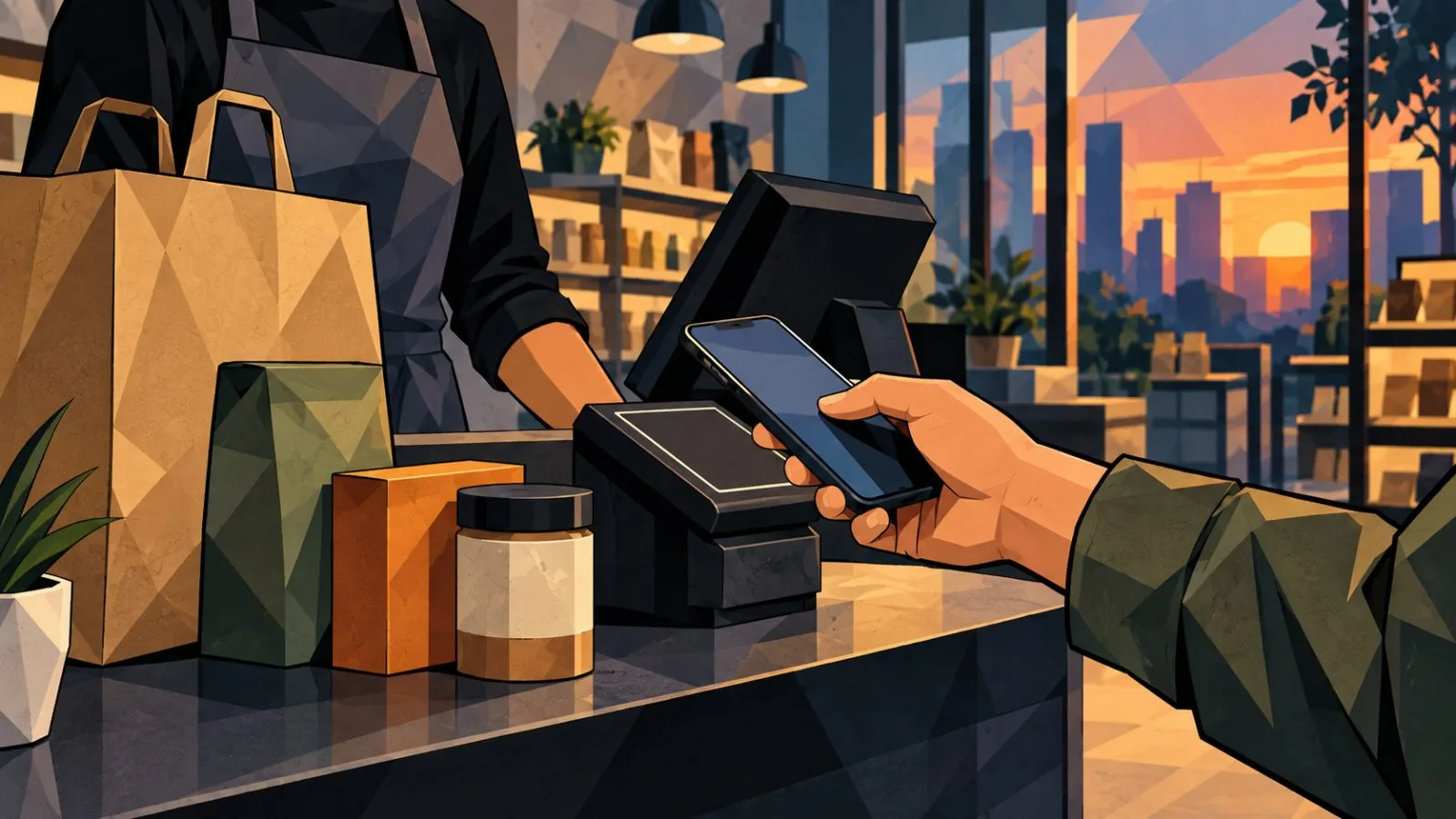
Personal AI shopping agents could move product discovery away from retailer websites and apps, creating different risks and opportunities for Amazon, Costco and TJX.
Meta launched Muse in the United States on Sept. 8 as an agent that can operate across connected applications, including shopping services. It runs through a dedicated Muse Secure VM and requires user approval for sensitive actions such as purchases.
Muse can compare products, prices and delivery options before directing a shopper to a selected seller or completing a purchase after approval. That process could shift search, comparison and advertising activity away from retailer-controlled platforms.
Amazon is developing its own agentic shopping tools. The company renamed Rufus as Alexa for Shopping on May 13, adding product recommendations, comparisons, price histories, price alerts and automated purchasing features.
More than 350 million customers used Alexa for Shopping during the 12 months ended July 2026. Active users nearly doubled year over year, while second-quarter interactions increased more than fivefold year over year.
Amazon’s tools cover hundreds of millions of products, including more than 300 million items eligible for fast, free delivery for Prime members. Its delivery network, Prime membership and customer data may help keep shoppers within Amazon even as outside agents influence product discovery.
The development extends Meta’s earlier Muse launch, which expanded the agent beyond chatbot responses into email, calendars, research and other applications.
Costco may have a different defense. Its limited assortment and membership model emphasize value, making price and quality comparisons central to its proposition. Costco CFO Gary Millerchip said artificial intelligence gives the company a neutral setting to show members its value and quality transparently.
Costco’s fiscal 2026 fourth-quarter net sales rose 11.2% to $93.873 billion for the 16 weeks ended Aug. 30. Digitally enabled sales increased 19.5%.
That transparency may also lead shoppers to reconsider whether a membership delivers enough value when an agent can compare prices across merchants.
TJX may face less exposure in categories where merchandise is difficult to identify in advance. T.J. Maxx and Marshalls depend partly on changing assortments and in-store discovery, which are harder for agents to search before a shopper visits a store.
“You really can’t find an agent to find treasure,” Wells Fargo analyst Ike Boruchow said.
The outcome will depend on whether consumers use outside agents to replace retailer visits, use retailer-controlled assistants instead or add agents as another route to checkout.
Simon Yoon
ReporterSimon Yoon reports on blockchain technology for TokenPost. Send corrections or tips to info@tokenpost.com.