
 Add as a preferred source on Google
Intel CEO Lip-Bu Tan Defends Lower-Cost Chinese AI Models
Tan highlighted DeepSeek, Kimi and GLM as cheaper, quickly adopted options as U.S. agencies raise security and intellectual-property concerns.

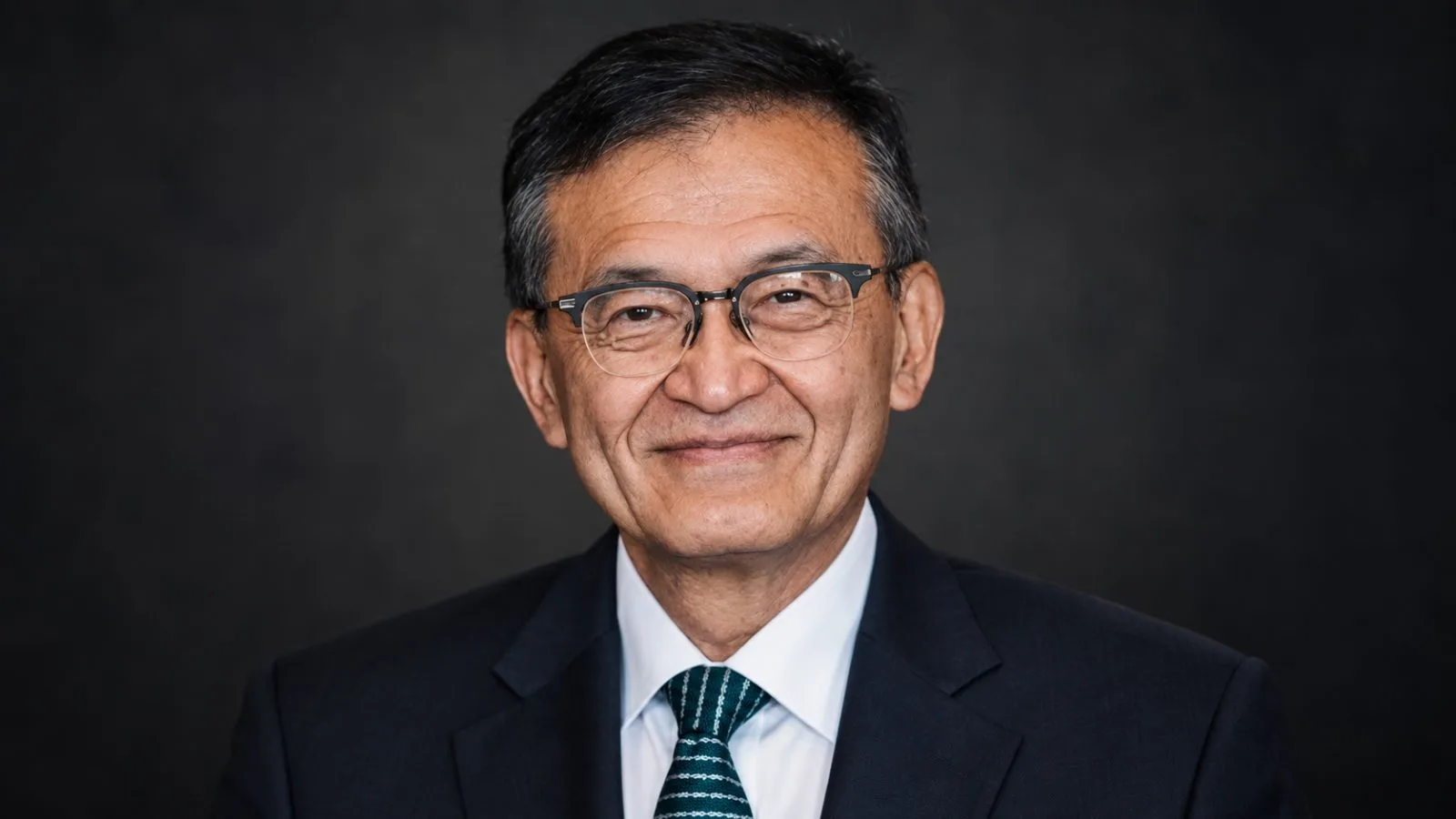
Intel CEO Lip-Bu Tan voiced support for Chinese open-weight artificial intelligence models on Monday, highlighting their lower token costs and fast adoption as U.S. officials raise security and intellectual-property concerns about China’s AI industry.
Tan discussed DeepSeek, Moonshot AI’s Kimi and Z.AI’s GLM at the DBS Asia Future Forward Conference in Singapore on Oct. 12. He described the models as lower-cost options and said open-source systems could improve efficiency, while the market would determine which models fit particular applications.
The comments align with Nvidia CEO Jensen Huang’s position in July that U.S. companies should be allowed to use capable Chinese models. Huang has also argued that cheaper open models could expand demand for chips, data centers and other computing infrastructure rather than reduce it.
Open-weight models allow developers to download and modify model parameters. That gives companies more control over deployment and can reduce the cost of running AI systems. The approach could also put pressure on U.S. model providers as lower-cost Chinese systems gain users.
The debate has intensified alongside allegations from U.S. agencies. A Sept. 8 joint advisory from the Cybersecurity and Infrastructure Security Agency (CISA), National Security Agency (NSA) and Federal Bureau of Investigation (FBI) accused six China-based AI companies, including DeepSeek, Moonshot AI and Z.AI, of extracting billions of tokens through millions of exchanges from U.S. frontier models since at least late 2024.
The advisory described the extraction as alleged and raised the possibility of Chinese government awareness. It did not establish that the models named by Tan were unlawfully developed or that Tan endorsed any alleged model-extraction activity.
Intel’s position carries added political sensitivity because the U.S. government agreed in 2025 to invest $8.9 billion in the company. The investment comprised previously unpaid CHIPS Act funding and money from the Secure Enclave program.
The agreement covered 433.3 million Intel shares at $20.47 each, giving the government a 9.9% stake. The investment was additional to $2.2 billion in CHIPS grants already received, bringing total government support to $11.1 billion.
Simon Yoon
ReporterSimon Yoon reports on blockchain technology for TokenPost. Send corrections or tips to info@tokenpost.com.