
 Add as a preferred source on Google
WindBorne Wins Air Force Contract Worth Up to $49 Million
The U.S. Air Force has ordered $1.7 million in atmospheric data so far under the noncompetitive agreement, which supports WindBorne’s balloon network and research.

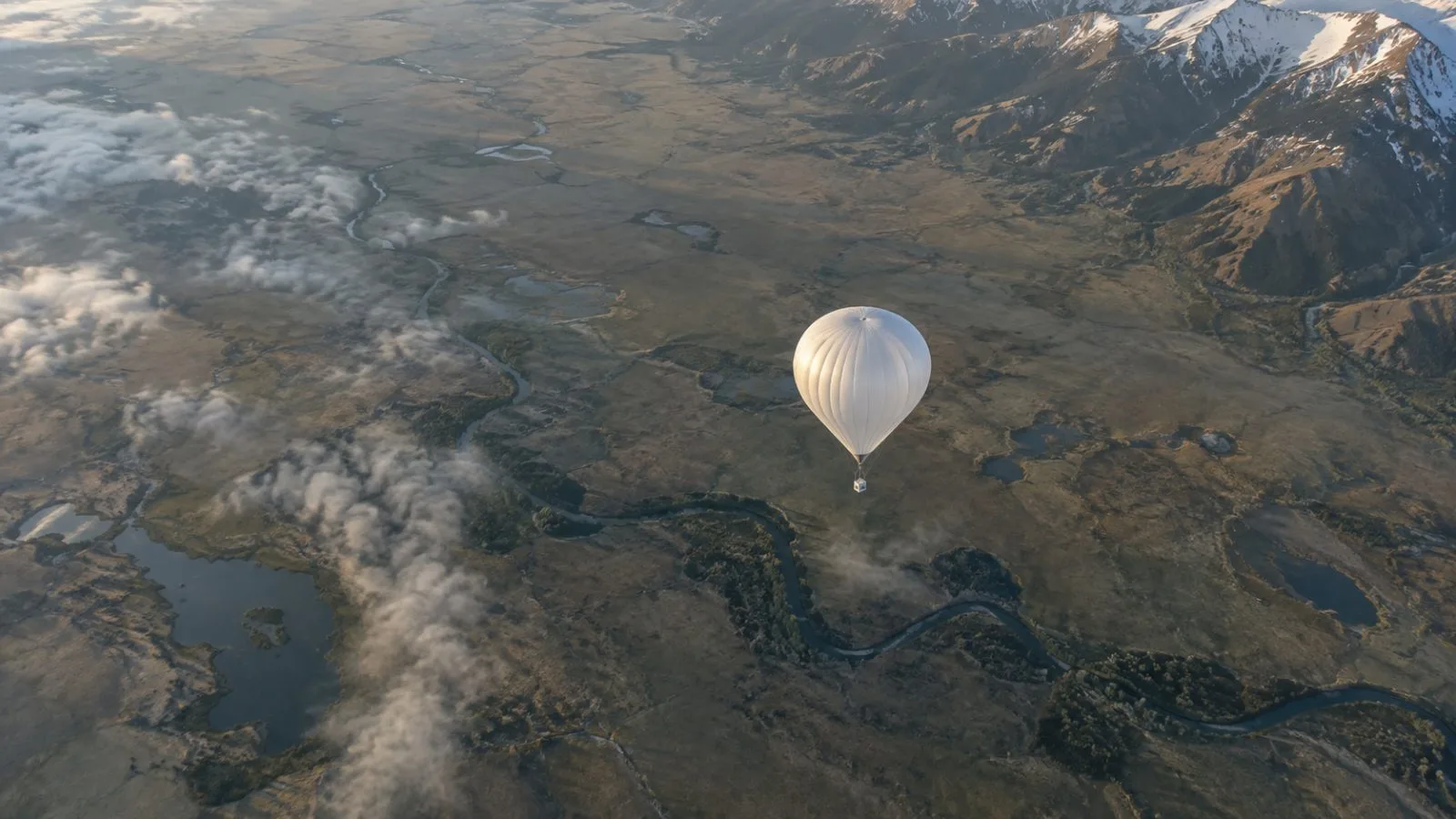
WindBorne Systems has received a U.S. Air Force contract worth up to $49 million for atmospheric data from its autonomous weather-balloon network, giving the company a major government customer for its global sensing operation.
The Air Force has ordered $1.7 million in data so far. The agreement allows it to request information for specific regions and periods as operational needs arise rather than requiring the full contract value upfront.
WindBorne operates about 700 balloons around the world. The company sells their atmospheric sensor readings and feeds the data into its artificial-intelligence weather forecasting model.
Andrey Sushko, WindBorne’s co-founder and chief technology officer, said the contract would support growth of the balloon constellation as well as research and development aimed at improving the vehicles’ hardware and performance.
The deal was awarded without competitive bidding. Sushko said the government determined that WindBorne was the only company able to provide the required global data-collection capability in a way that met operational needs.
Founded in 2015 and based in Redwood City, California, WindBorne has worked with the National Weather Service, the Air Force and the Navy. The company released WeatherMesh 6 earlier this summer and says the model produces more accurate forecasts than the traditional model operated by the European Centre for Medium-Range Weather Forecasts.
The balloon network is unpowered and moves by exploiting winds at different altitudes. Operators can adjust a balloon’s altitude, release air or drop sand carried as ballast to place it in wind streams moving toward targeted locations.
In August, WindBorne used the system to collect data inside a typhoon. Sushko said it was one of the first times a deep-learning model had been used for operational decisions, linking weather predictions directly to navigation choices.
The Air Force can continue placing orders under the agreement as it requires additional atmospheric data.
Simon Yoon
ReporterSimon Yoon reports on blockchain technology for TokenPost. Send corrections or tips to info@tokenpost.com.