
 Add as a preferred source on Google
Chinese Firms Report AI Training and Kirin Device Milestones Amid U.S. Export Controls
Meituan says its 1.6-trillion-parameter model ran on domestic computing hardware; Huawei says more than 100 million products using Kirin chips have shipped since 2023.

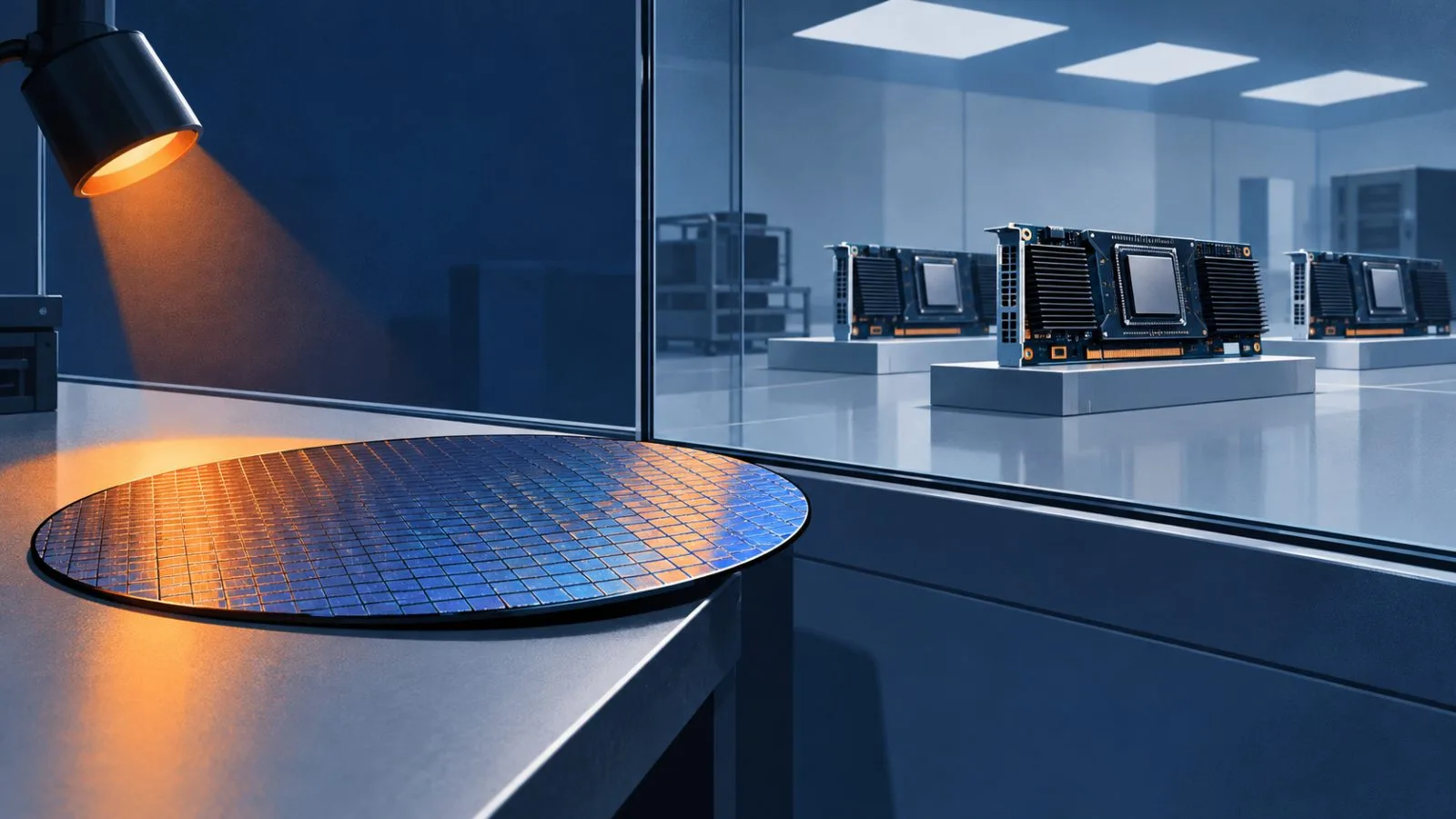
Chinese companies have described large-scale domestic AI computing and Kirin-powered product shipments, milestones that frame debate over the effects of U.S. export controls on China's chip sector.
Meituan announced June 30, 2026, that its LongCat-2.0 model has 1.6 trillion parameters and completed both training and inference on a 50,000-card cluster built with domestic computing hardware. The announcement did not identify the chip models used in the cluster, so the disclosed capacity does not establish which processors powered the workload.
Huawei said at a Shanghai briefing on Oct. 13, 2026, that more than 100 million products using Kirin chips had shipped since 2023. The company also said its Kirin 9050 series was the first to mass-produce its LogicFolding technology and had 53.5% higher transistor density than the prior generation.
Rakesh Kumar, a professor of electrical and computer engineering at the University of Illinois Urbana-Champaign, argues that export controls encouraged China to develop its own semiconductor ecosystem. He described Chinese AI models as “very, very close, in terms of performance, to the models from the U.S.” Kumar has also questioned whether Chinese inference providers can compete with Western providers in the near term.
The Commerce Department's Bureau of Industry and Security (BIS) announced the controls in 2022, citing national-security and foreign-policy concerns. The rules covered certain advanced-computing chips, supercomputer-related transactions and semiconductor-manufacturing items. They also restrict certain U.S.-person support for chip production at some facilities in China.
BIS phased in provisions over October 2022: semiconductor-manufacturing restrictions took effect Oct. 7, certain restrictions on U.S.-person support began Oct. 12, and advanced-computing controls took effect Oct. 21. The rules therefore took effect on different dates for different activities.
The milestones measure different activity: Meituan's claim concerns model training and inference, while Huawei's figures concern products using Kirin chips. A model's parameter count, a computing cluster's card count and a product-shipment total are separate measures, so they do not provide a direct comparison of Chinese and U.S. chip performance. The figures also do not establish that export controls alone caused China's reported advances.
Simon Yoon
ReporterSimon Yoon reports on blockchain technology for TokenPost. Send corrections or tips to info@tokenpost.com.