
 Add as a preferred source on Google
China Reports Rising AI Use in Manufacturing Scenarios as EU Expands Computing Network
China’s 34.2% measure covers AI use across key manufacturing scenarios, while EU counts track shared computing facilities. Robot installations show automation scale, not AI adoption.

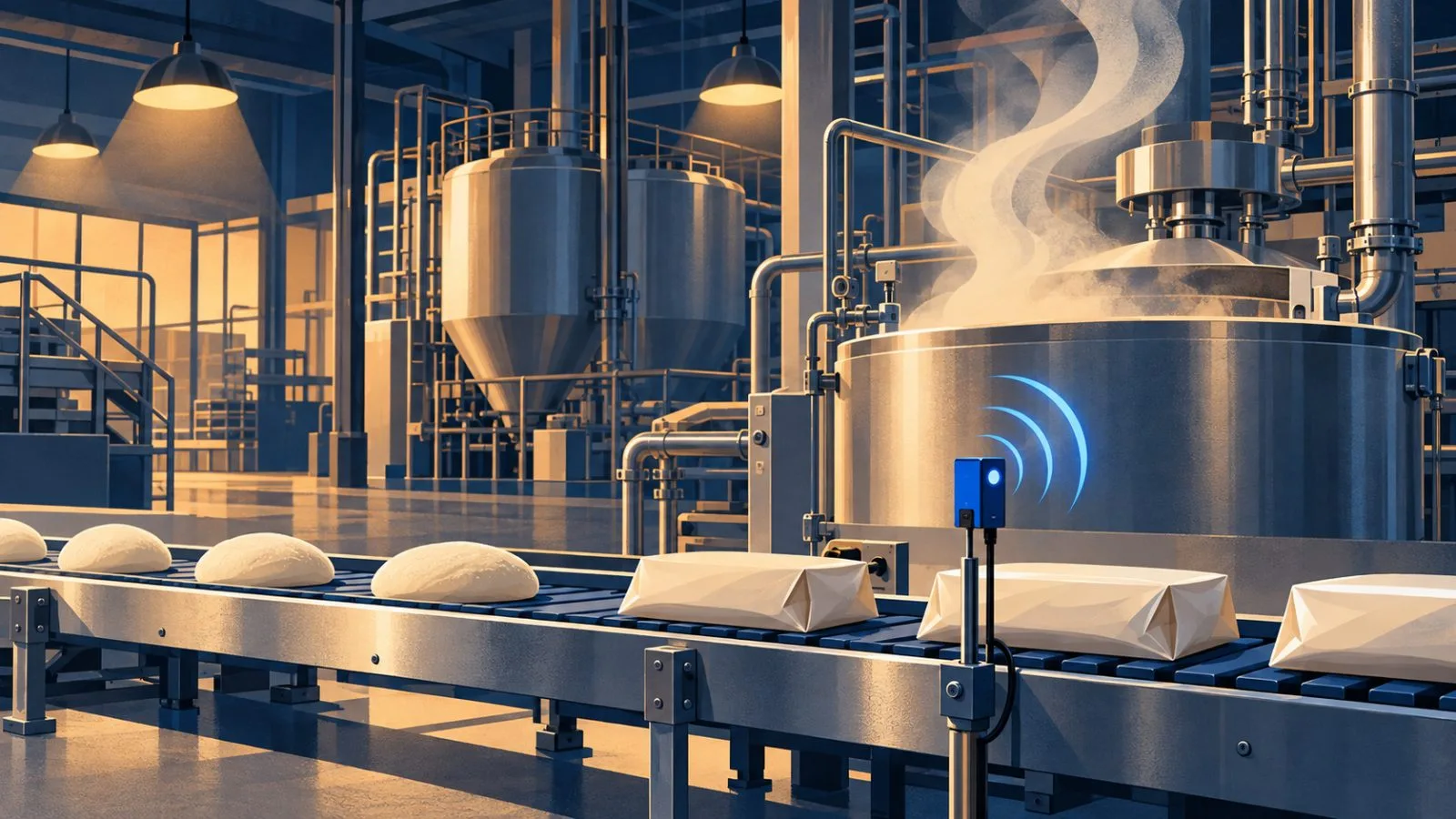
China’s use of artificial intelligence in key manufacturing scenarios rose in early 2026 as the European Union expands shared computing capacity, with the figures tracing different parts of industrial deployment.
The scenario-use measure reached 34.2% in the first half of 2026, an increase of 5.5 percentage points from the year-earlier period. A separate indicator put at 10.6% the share of large-scale manufacturing enterprises using large AI models for business innovation. Neither percentage means that share of all Chinese factories use AI. Selected Asian factories have recorded measurable AI gains, but those plant-level results differ from national scenario use and shared computing capacity.
China put 295,045 industrial robots into service in 2024, accounting for 54% of installations worldwide. Its operational robot fleet reached 2,027,190 units. Those totals show the scale of factory automation, but do not indicate how widely factories use AI software.
EU countries accounted for 67,819 of Europe's 85,006 robot installations in 2024, or 80%. These figures also count automation equipment, rather than AI use, and cannot be directly compared with China's scenario measure.
China's eight-department AI and manufacturing plan sets 2027 goals that include embedding three to five general-purpose models more deeply in manufacturing, creating 1,000 industrial agents and assembling 100 high-quality industrial datasets. It also calls for 500 typical application scenarios and 1,000 benchmark enterprises. These are future objectives, not completed results.
The European Union is establishing 19 AI Factories in 16 member states, alongside 13 AI Factory Antennas. The network gives users, including industrial firms, access to AI-optimized supercomputers and technical support. These are shared computing facilities, not manufacturing plants.
Separately, the European Commission has launched a tender for as many as seven AI Gigafactories. The initiative is expected to draw private investment alongside EU and national funding, with construction of the first facility slated to begin in 2027.
Siemens China announced Monday, Oct. 12, that six types of embodied-AI applications would be tested in production at five Chinese factories. It also entered cooperation agreements with more than 40 Chinese companies. In Poland, Siemens software at Kellanova's Kutno plant uses sensor readings, including humidity and protein content, to adjust recipes as raw materials vary.
The percentages, computing network counts and robot totals describe different outcomes, so they do not establish which region has adopted factory AI more widely. China's targets and the first EU Gigafactory construction timeline both point to 2027 milestones.
Simon Yoon
ReporterSimon Yoon reports on blockchain technology for TokenPost. Send corrections or tips to info@tokenpost.com.