
 Add as a preferred source on Google
TeraWulf’s CB-3 Delivery Activates $600 Million in Google Credit Support
Lake Mariner had 438 MW of contracted high-performance computing capacity as of June 30, 2026, with another 336 MW under construction.


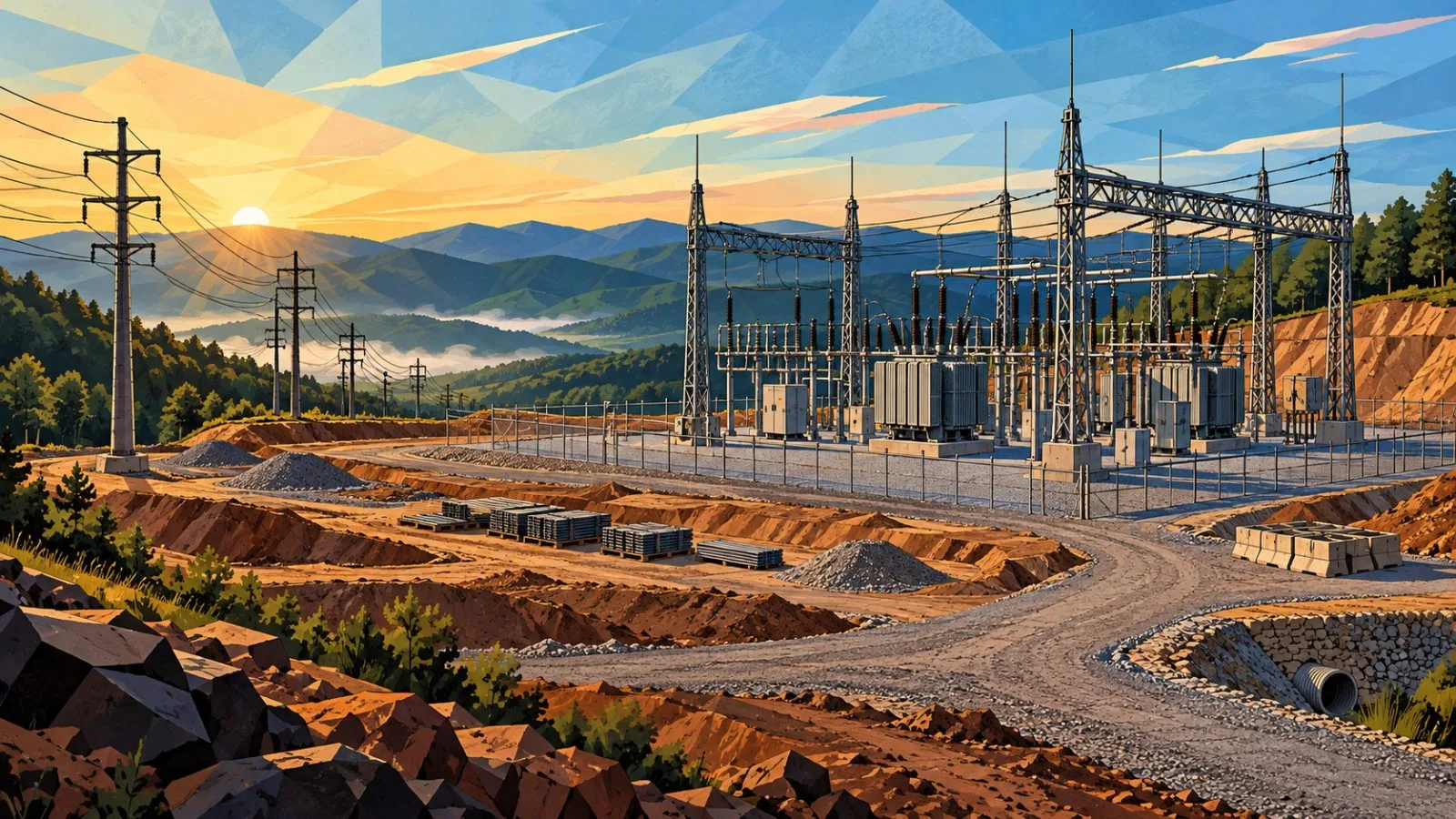
TeraWulf reached 102 megawatts (MW) of revenue-generating critical IT capacity at its Lake Mariner campus in early July 2026, with CB-3’s delivery making $600 million of Google credit support effective.
CB-3 was delivered after Lake Mariner listed 81 MW of revenue-generating capacity at June 30. CB-3’s delivery brought Lake Mariner’s revenue-generating critical IT capacity to 102 MW and made $600 million of Google credit support effective for Fluidstack’s lease obligations. Google provides the credit backing, while Fluidstack is the tenant under the leases.
Lake Mariner had 438 MW of contracted high-performance computing (HPC) capacity at June 30, 2026. Fluidstack accounted for 378 MW and Core42 for 60 MW. Another 336 MW across buildings CB-4 and CB-5 was under construction.
Google’s total credit backstop rose to about $3.2 billion when TeraWulf expanded its Fluidstack arrangement in August 2025. That expansion added 160 MW through CB-5 and put announced Fluidstack capacity at roughly 360 MW at the time. The agreements were valued at $6.7 billion over their initial terms, with lease extensions that could bring the total to $16 billion.
Google also holds warrants to purchase 73.58 million TeraWulf shares at $0.01 each. If exercised, they would represent a potential pro forma stake of about 14%, rather than a confirmed current holding of common shares.
HPC leases brought in $31.9 million of TeraWulf’s $44.8 million in second-quarter 2026 revenue, or about 71%. Lake Mariner also had 145 MW of legacy Bitcoin (BTC) mining capacity as of June 30. The revenue mix reflects a broader shift among miners toward AI infrastructure.
TeraWulf has operated Lake Mariner, a former coal-fired power plant in Barker, New York, since 2022. The site has about 500 MW of near-term gross capacity, with potential to reach roughly 750 MW pending additional approvals from the New York Independent System Operator.
Phased delivery of CB-4 was expected in the second half of 2026, followed by CB-5 in early 2027.
Simon Yoon
ReporterSimon Yoon reports on blockchain technology for TokenPost. Send corrections or tips to info@tokenpost.com.