
 Add as a preferred source on Google
U.S. Data Centers Face Projected Net 32-Gigawatt Power Gap by 2028
The projected shortfall could grow to about 72 gigawatts by 2029, delaying the use of graphics processors bought for AI projects.

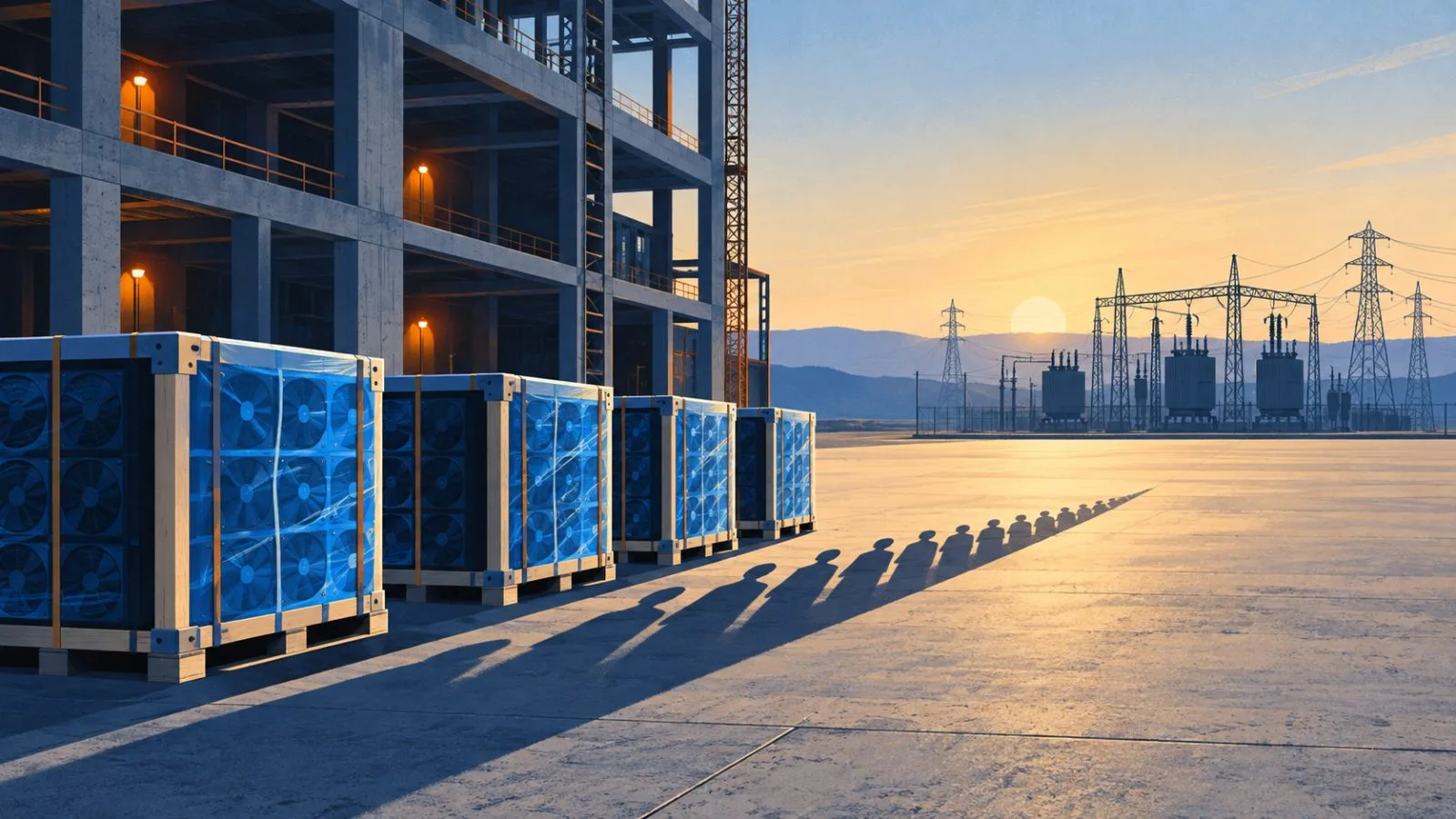
U.S. data centers face a projected net 32-gigawatt electricity shortfall by 2028, a constraint that could delay AI projects and leave purchased graphics processors waiting for power.
The projected gap remains after accounting for potential electricity supplies from nuclear power, gas turbines and fuel cells. It could widen to about 72 gigawatts by 2029. Delayed power deliveries could keep cloud operators from putting graphics processing units, or GPUs, to work when they expect to use them.
That risk points to slower project completion and a buildup of equipment inventory. It does not necessarily mean demand for computing capacity will disappear. The distinction matters for operators buying hardware while they wait for enough electricity to run it.
Capital expenditures by the five largest cloud providers were projected to approach $1.6 trillion in 2028, up from a $1.4 trillion estimate made in July. A September revision raised the spending total while putting projected year-over-year growth at about 12%.
That 2028 capital spending estimate differs from an earlier broader AI computing investment projection of $1.583 trillion for 2027. The earlier figure includes leases and covers hyperscalers and neocloud companies. The two totals describe different groups of companies and different types of spending.
Electricity is one of several constraints on U.S. data center construction. State and local decisions affect site approvals, grid connections, electricity rates and tax incentives. Construction restrictions or the removal of tax benefits could slow projects, while utility commission decisions could shape how they proceed over time.
Chip and memory suppliers face a separate risk. If supply catches up with demand, or demand growth slows, both prices and shipments could fall, putting pressure on margins. Even a plateau in cloud providers’ capital expenditures could weaken suppliers’ pricing power. For data center operators, the projected power gaps in 2028 and 2029 make electricity delivery a key factor in when purchased equipment can be used.
Simon Yoon
ReporterSimon Yoon reports on blockchain technology for TokenPost. Send corrections or tips to info@tokenpost.com.