
 Add as a preferred source on Google
Malaysia's Bond Ledger Differs From U.S. Tokenized Treasury Repo Trade
Malaysia’s SSDS+ records securities ownership, while RENTAS+ handles payments in central bank money. A U.S. Treasury repo trade used tokens tied to securities already in custody.

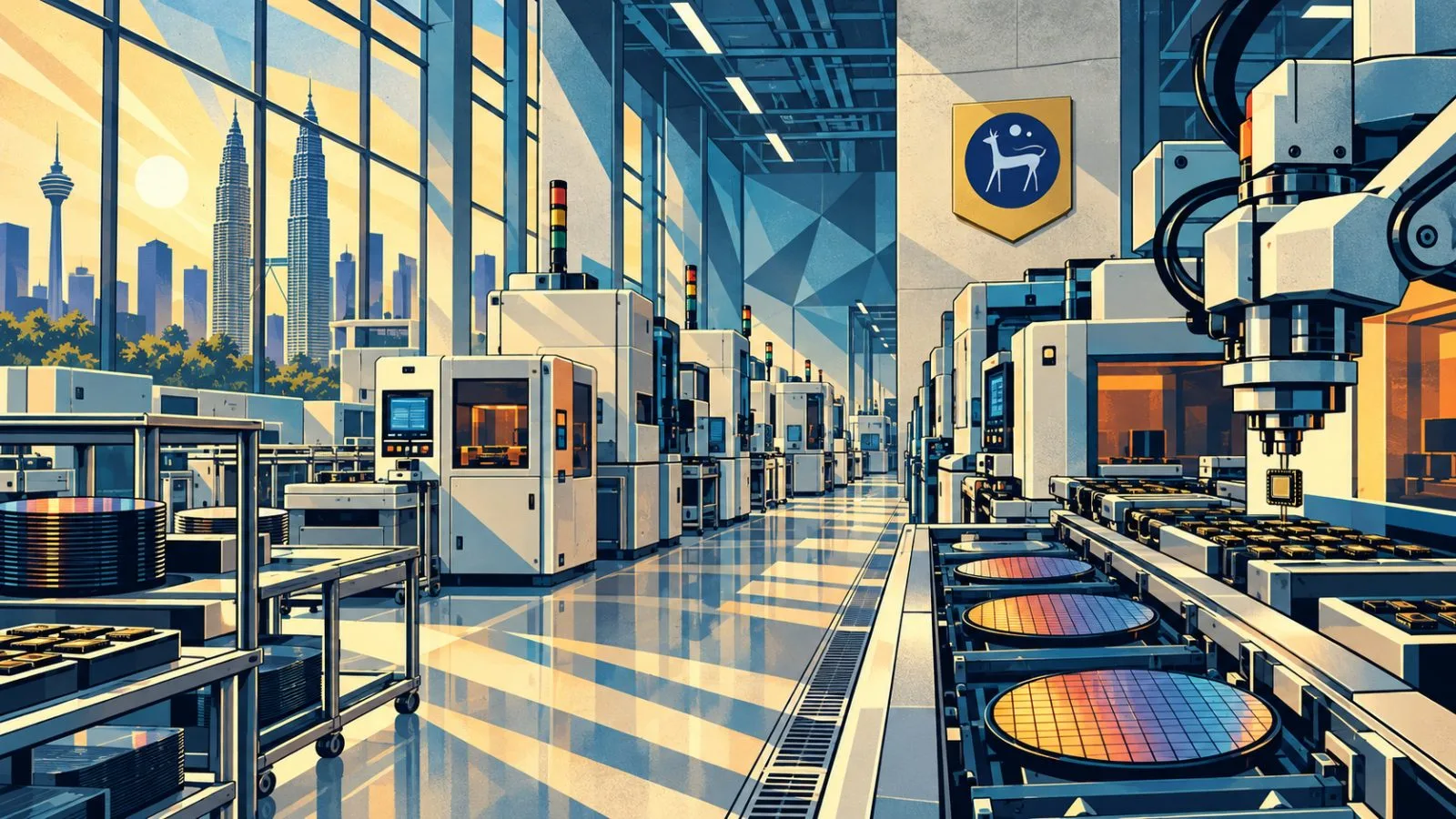
Malaysia’s new securities platform links digital bond ownership records to round-the-clock settlement in central bank money, a different structure from a U.S. Treasury repo trade using tokens tied to securities in custody.
Bank Negara Malaysia, the country’s central bank, launched its digital bond platform on Oct. 20. Known as SSDS+, it handles issuance, safekeeping and records of ownership and transfers for tokenized bonds and sukuk, or Islamic bonds.
A connected system called RENTAS+ moves the payment when a security is purchased. The payment is made in central bank money, and the two systems support payment and settlement around the clock. Malaysia describes SSDS+ as ready to support tokenized government and corporate retail bonds.
The U.S. transaction used a different arrangement. On July 15, more than 30 firms participated in an initiative that included production trades using digital tokens tied to securities held at The Depository Trust Company. One trade paired delivery of a U.S. Treasury security with payment in a repo transaction.
In that trade, the token represented a security already held in custody. A security issued directly on a blockchain would have its ownership recorded on a digital ledger from the start. The distinction is where the security’s ownership record begins, even when both arrangements use digital tools to transfer it.
Figure Technology Solutions, Inc. described a direct-registration approach for shares when it announced its On-Chain Public Equity Network on Jan. 14. The company designed that network for shares registered on a blockchain, rather than tokens standing for shares held in conventional custody. The announcement concerned equities, while the July U.S. production trades included the Treasury repo transaction.
Malaysia’s platform brings issuance records and central bank payment infrastructure together. The documented U.S. Treasury trade shows how tokens can be used when the underlying security remains in custody.
Simon Yoon
ReporterSimon Yoon reports on blockchain technology for TokenPost. Send corrections or tips to info@tokenpost.com.