
 Add as a preferred source on Google
Heatbit Sets First-Batch Bitcoin-Mining Heater Price at $899
The 34 TH/s element is designed to heat water while mining, but its revenue estimates depend on operating time and Bitcoin network conditions.


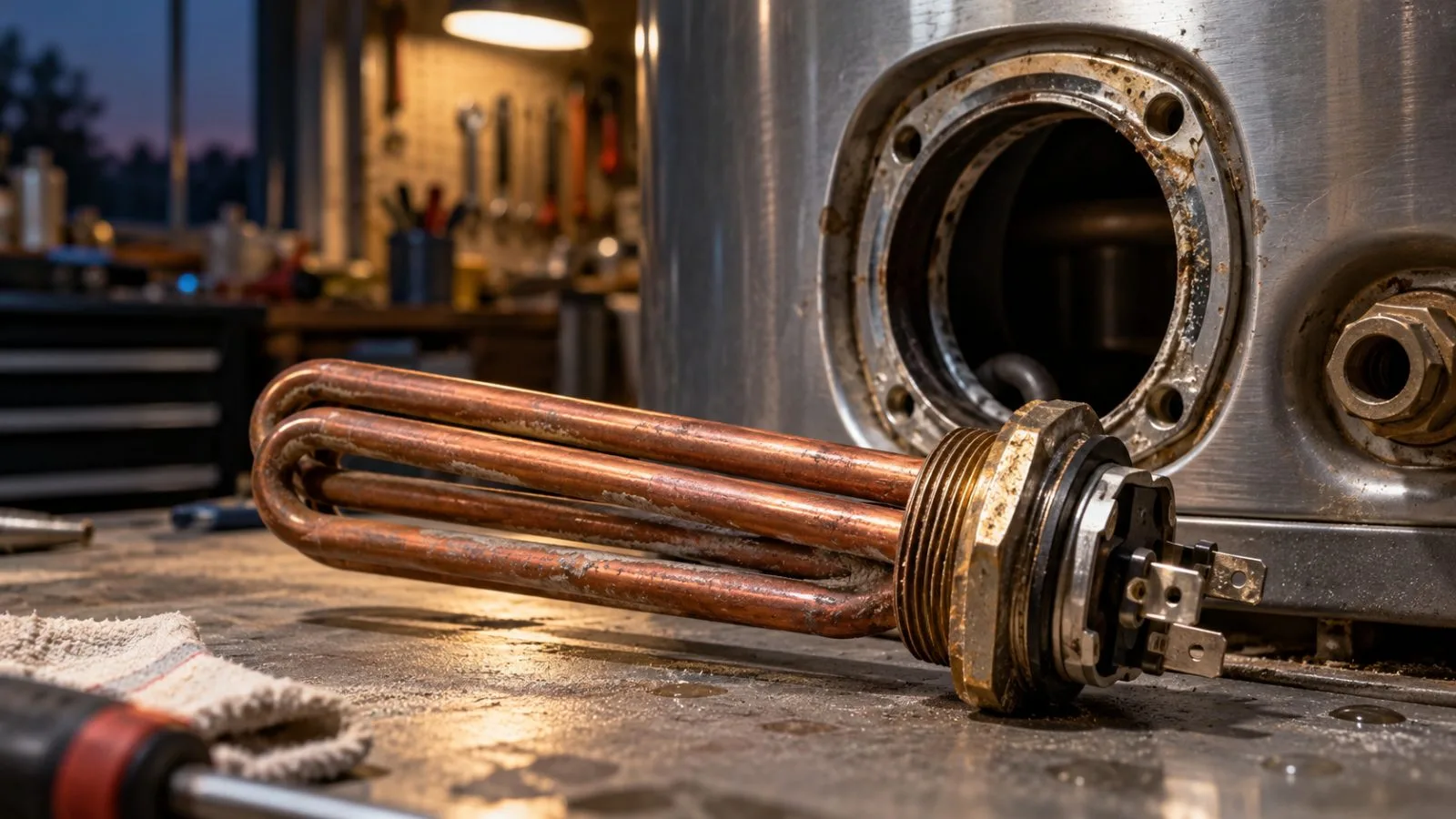
Heatbit’s Bitwater device pairs Bitcoin (BTC) mining with electric water heating for a first-batch price of $899, with modeled proceeds taking about two years to match its cost at full output before other expenses.
The device is designed for existing electric water heaters in the United States and Canada. It replaces the lower heating element and uses 20 mining chips, with a maximum output of 34 terahashes per second (TH/s) and power draw of 600 watts. A standard resistance heating element can draw 4,500 watts; Bitwater is designed to run longer at lower power.
Heatbit opened preorders for Bitwater on Oct. 22. The first batch costs $899, while later batches are priced as high as $1,299. Preorders are refundable, and shipments are planned for the first quarter of 2027.
At a hashprice of $36.73 per petahash per second per day, 34 TH/s would produce about $1.25 in Bitcoin daily, or roughly $455 a year, at full operation. Hashprice measures expected mining revenue for a given amount of computing power. At an 80% operating rate, the estimate falls to about $365 annually. That would take about 2.5 years to equal the $899 first-batch price; the full-operation estimate takes about two years. Both calculations exclude other costs and changes in mining conditions.
Running the unit’s 600-watt load continuously would use 14.4 kilowatt-hours of electricity each day. At the U.S. residential average rate of 18.83 cents per kilowatt-hour in April 2026, that energy would cost about $2.71 daily, more than the estimated $1.25 in mining proceeds. The comparison depends on whether the household would already use that electricity to heat water.
Heat-pump water heaters use about one-half to one-third as much energy as conventional electric-resistance heaters to deliver the same heat. At an 80% operating rate, Bitwater would send roughly 4,200 kilowatt-hours of heat into the tank each year. A heat pump producing the same heat could save about 2,100 to 2,800 kilowatt-hours, worth approximately $400 to $530 at the April electricity rate.
Bitwater defaults to solo mining, where the operator receives a block reward only if the device finds a block. At 34 TH/s and a network hash rate of about 1,072 exahashes per second (EH/s), the estimated average time to find a block is about 600 years. Owners can switch to a mining pool through the app.
Simon Yoon
ReporterSimon Yoon reports on blockchain technology for TokenPost. Send corrections or tips to info@tokenpost.com.