
 Add as a preferred source on Google
Fujifilm Plans ¥10 Billion Tape Expansion for AI Data Demand
The company aims to raise supply capacity to five times its fiscal 2025 level by fiscal 2028, with cartridges offering up to 100TB of compressed capacity.

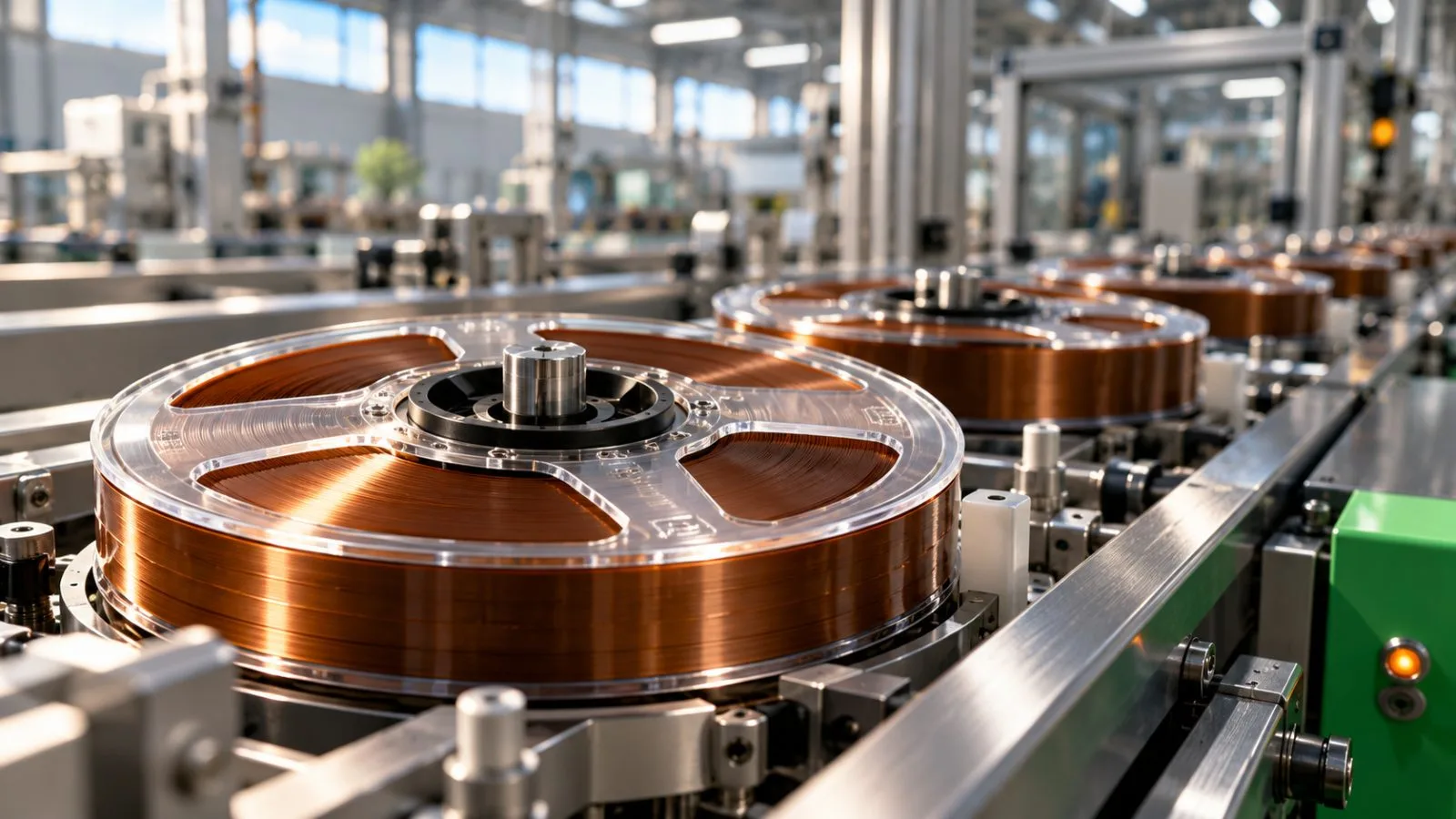
Fujifilm plans to spend ¥10 billion to expand data-storage tape production in Japan, aiming to lift supply capacity fivefold by fiscal 2028 as AI data growth increases demand for long-term storage.
The expansion is planned at the company’s plant in Odawara, Kanagawa Prefecture. It would be Fujifilm’s first major investment in tape capacity in about 20 years. The fivefold target compares supply by storage capacity with its fiscal 2025 level.
The investment is focused on cartridges with up to 100 terabytes (TB) of compressed capacity. Fujifilm introduced the FUJIFILM LTO Ultrium 10 (40TB) Data Cartridge in January 2026. It stores 40TB natively and up to 100TB using a 2.5-to-1 compression ratio.
Tape stores and retrieves data in sequence, making it a poor fit for workloads that need frequent, low-latency access, such as active AI model training. It can hold backups, archived records and disaster-recovery copies that do not need to be read often. Keeping cartridges offline can create an air gap that helps protect backup data from network-based ransomware attacks.
Tape’s total storage costs are about 60% below those of hard disk drives (HDDs). A five-year estimate for storing 10 petabytes put emissions about 97% lower with LTO-10 30TB media than with 22TB HDDs.
Global LTO capacity shipments rose 57% year over year in the first quarter of 2026. Annual shipments reached 176.5 exabytes in 2024, a record, measured as compressed capacity using a 2.5-to-1 compression assumption. The 2025 total was 160.3 exabytes, the second-highest annual figure.
Simon Yoon
ReporterSimon Yoon reports on blockchain technology for TokenPost. Send corrections or tips to info@tokenpost.com.