
 Add as a preferred source on Google
Y Combinator Seeks AI Infrastructure Startups for Winter 2027
Its 11 requests cover data-center equipment, GPU and robotics finance, specialized AI software and businesses tied to lower-cost space launches.

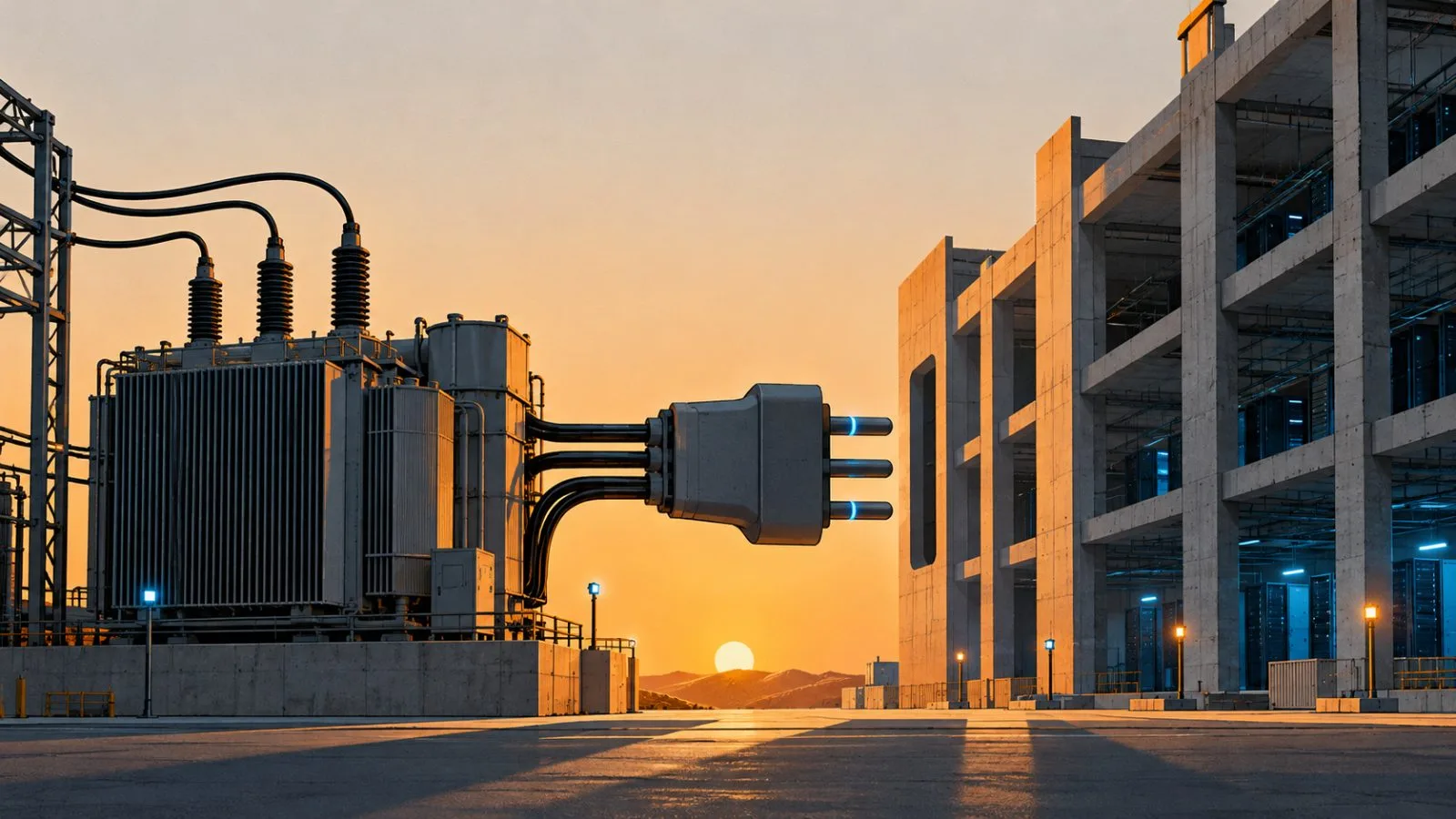
Y Combinator’s Winter 2027 requests put data-center equipment, GPU and robotics financing, and U.S.-made robot components on its startup agenda as it seeks businesses supporting AI’s expansion beyond software.
The 11 areas span hardware, infrastructure, financial systems and specialized software for AI in the “real economy.” YC says the requests are a small part of what it funds, and they are not requirements for applicants. The list identifies areas of interest rather than announcing investments in specific companies. Taken together, the requests cover the equipment, capital and software YC wants founders to consider building around AI.
In the data-center request, YC partner Jared Friedman cites a three-year lead time for large power transformers and says switchgear, circuit breakers and liquid-cooling equipment are sold out. The proposal centers on supplies used in data-center buildouts, putting equipment procurement among the specific startup areas YC named.
YC’s physical-buildout finance request lists lending for robotics, equipment leasing, securitization and hedges, as well as put options tied to GPU capacity. The examples span lending, leasing and financial instruments linked to equipment or computing capacity. YC is asking founders to explore services around those assets alongside companies that make or deploy hardware.
The list also calls for robot components made in the United States and AI designed for offline environments. Separate requests focus on specialized models for manufacturing, energy and biology, and software that can help people use government benefits or interact with city services. Another area is technology for businesses that want to improve their own AI models. These requests extend beyond large computing facilities into robots, sector-specific AI and public-service tools.
YC partner Ankit Gupta’s space-access request asks founders to consider businesses that might become viable as launch costs fall. It relays a SpaceX projection of 10,000 Starship launches per year and asks founders to plan for costs falling 100-fold or more. The launch total and cost reduction are projections, not completed outcomes. The request uses those scenarios to frame potential business opportunities around cheaper access to space.
The San Francisco batch is set for January through March 2027. On-time applications are due Monday, Nov. 2, at 11 p.m. ET (8 p.m. PT).
Simon Yoon
ReporterSimon Yoon reports on blockchain technology for TokenPost. Send corrections or tips to info@tokenpost.com.