
 Add as a preferred source on Google
Satlyt Tests Orbital Task-Planning Software on a Spacecraft
One physical computer ran the software in a simulation with four computers, four users and eight services, while shared work across multiple spacecraft remains untested.

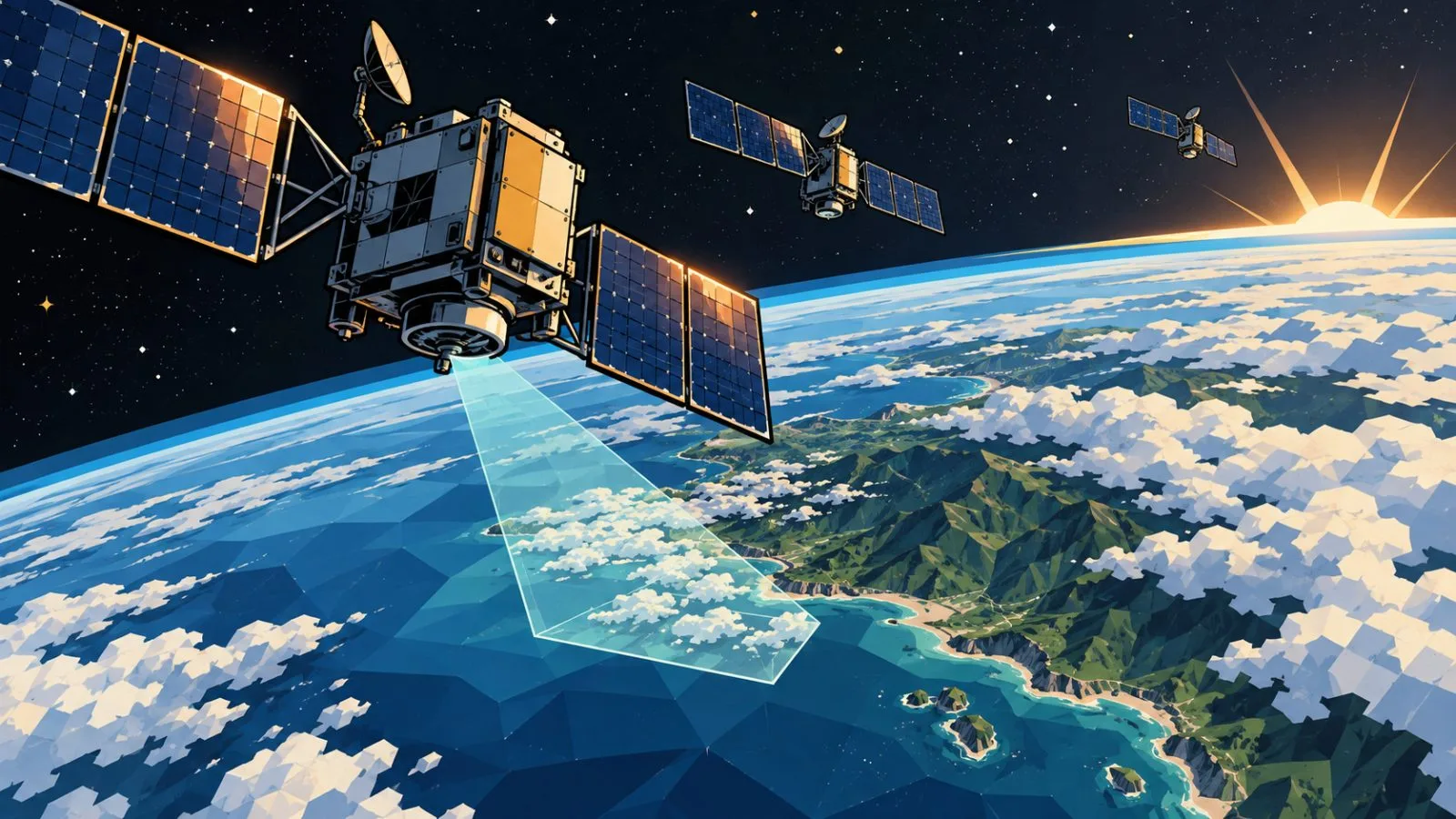
Satlyt tested task-planning software aboard a spacecraft earlier in October to produce work assignments for a simulated orbital network, leaving the central challenge of sharing workloads among physical satellites untested.
Satlyt founder and CEO Rama Afullo described a simulation with four computers, four users and eight services. One physical computer aboard a spacecraft ran the software; the other three computers existed virtually. The program used information about available computing resources and communications to make a task plan for the simulated network. It generated that plan onboard and returned the output to Earth.
The setup tested whether planning software could produce a network-wide assignment from orbital hardware. It did not show computers aboard separate spacecraft exchanging data or carrying out assigned work together. The three simulated computers expanded the modeled network but did not add physical computing capacity in orbit. That leaves the multi-satellite sharing element of Satlyt’s longer-term goal untested. Afullo said further testing with multiple physical computers is needed.
Afullo said the best-performing approach required more computing power. He also described a logging problem: the software recorded when a delay arrived instead of how long it lasted. Afullo called the test “a building block toward satellites sharing computing work.”
NASA awarded Satlyt $149,529 in 2025 through a Small Business Technology Transfer Phase I project with the University of Houston. The research focuses on autonomous network optimization for delay-tolerant mobile edge computing and content delivery. Afullo said testing with multiple physical computers is still needed to assess the broader system.
Satlyt is developing software intended to let spacecraft share computing resources rather than building its own satellites. Its earlier work centers on processing satellite data in orbit before sending it to Earth. The company raised $8 million in seed funding to expand its satellite software. The orbital test examined how tasks could be planned across a larger network, not how those tasks would run across multiple spacecraft.
Simon Yoon
ReporterSimon Yoon reports on blockchain technology for TokenPost. Send corrections or tips to info@tokenpost.com.