
 Add as a preferred source on Google
Orbital Matter Satellite Builds Half-Meter Beam in Orbit
Replicator 2 carried four printers, and a follow-up mission planned for 2028 will test a larger printer and a solar array designed to generate five kilowatts.

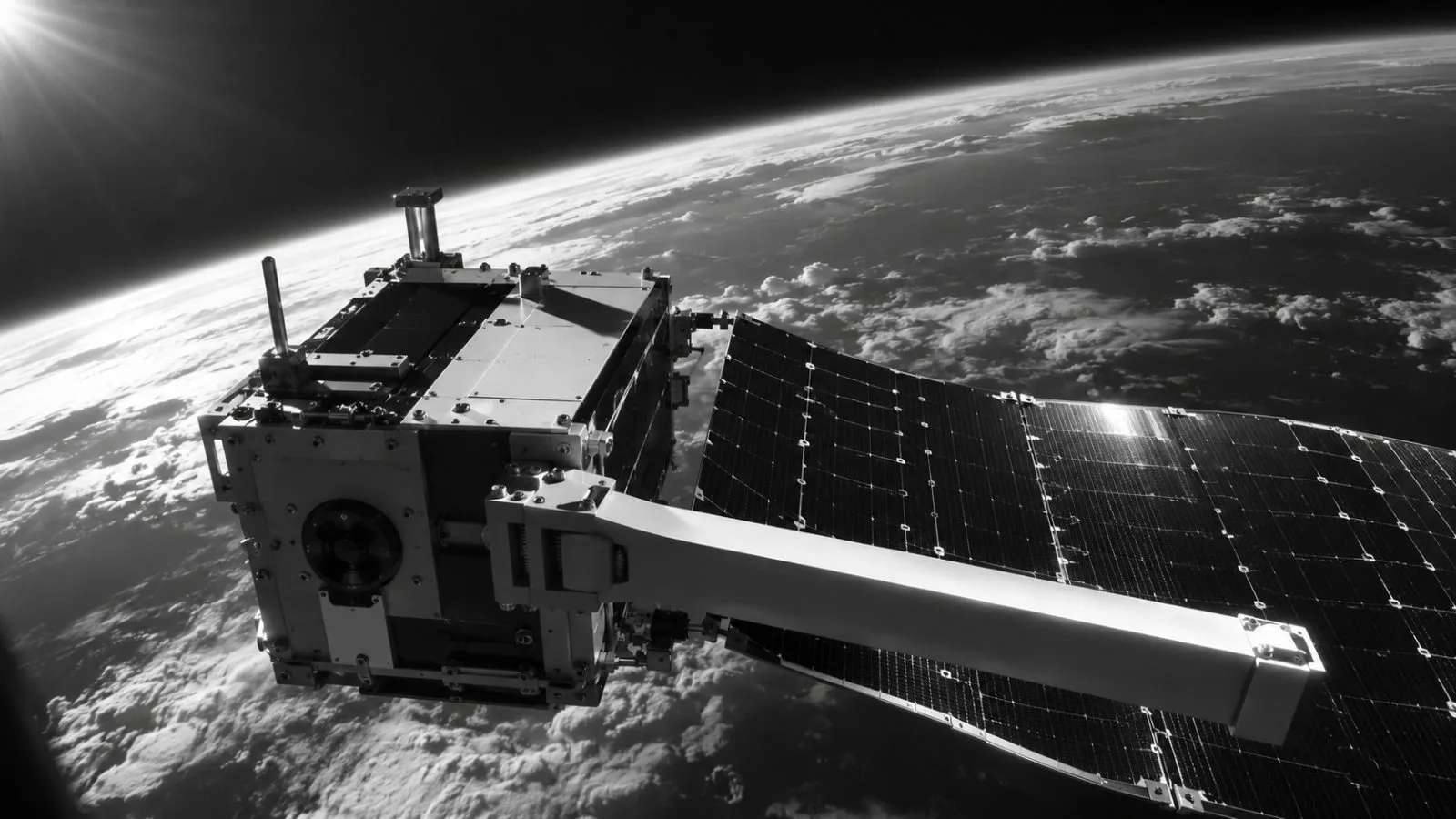
Orbital Matter’s Replicator 2 satellite produced a rigid beam about half a meter long in orbit, a demonstration that could let spacecraft build structures after launch instead of fitting every part inside a rocket fairing.
The German startup sent four of its printers aboard the satellite, which launched on a SpaceX rideshare mission this summer. The machines form cylindrical beams by extruding coils of resin and hardening them with ultraviolet light. The test used a custom plastic material. Orbital Matter worked on Replicator 2 with the European Space Agency and Thales Alenia, a European satellite builder. Company executives called the beam a first for a free-flying spacecraft in orbit.
The approach addresses a physical limit of launch. Large structures such as solar arrays and telescope mirrors are commonly folded for the trip to space and deployed after reaching orbit. Building parts in orbit could let spacecraft create structures that otherwise would have to fit within a rocket fairing. Future spacecraft may also need to generate more electricity and dissipate more heat, particularly if they serve as orbital data centers.
Replicator 2 also tested the printers’ ability to deploy a flexible solar array. An anomaly caused one printer to fail, but the boom produced by the other successfully deployed the array. Earlier 3D-printing work in microgravity took place inside the pressurized International Space Station. A NASA-backed effort printed structural beams in a vacuum chamber in 2023, but its planned mission did not launch.
Orbital Matter CEO and co-founder Jakub Stojek said the test showed the company could build an array in space at the scale a mission requires. The beam’s length was limited by the amount of resin carried aboard the satellite, while the company’s engineers believe booms reaching 100 meters are feasible.
The company is preparing another demonstration for launch in 2028. It is planned to use a larger printer aboard a bigger satellite and aims to deploy a solar array capable of generating five kilowatts. Orbital Matter describes that test as a step toward wings generating 100 kilowatts or more per wing by 2030. The company is also working with satellite builders considering its printer-assisted deployment system for extending solar panels, antennas and other components.
Simon Yoon
ReporterSimon Yoon reports on blockchain technology for TokenPost. Send corrections or tips to info@tokenpost.com.