
 Add as a preferred source on Google
Winbond Targets 2030 Introduction of EUV in Second-Generation 14-Nanometer Process
General Manager Chen Peiming said the plan depends on successful development. Winbond aims to begin installing equipment at its Module B fab within two years.

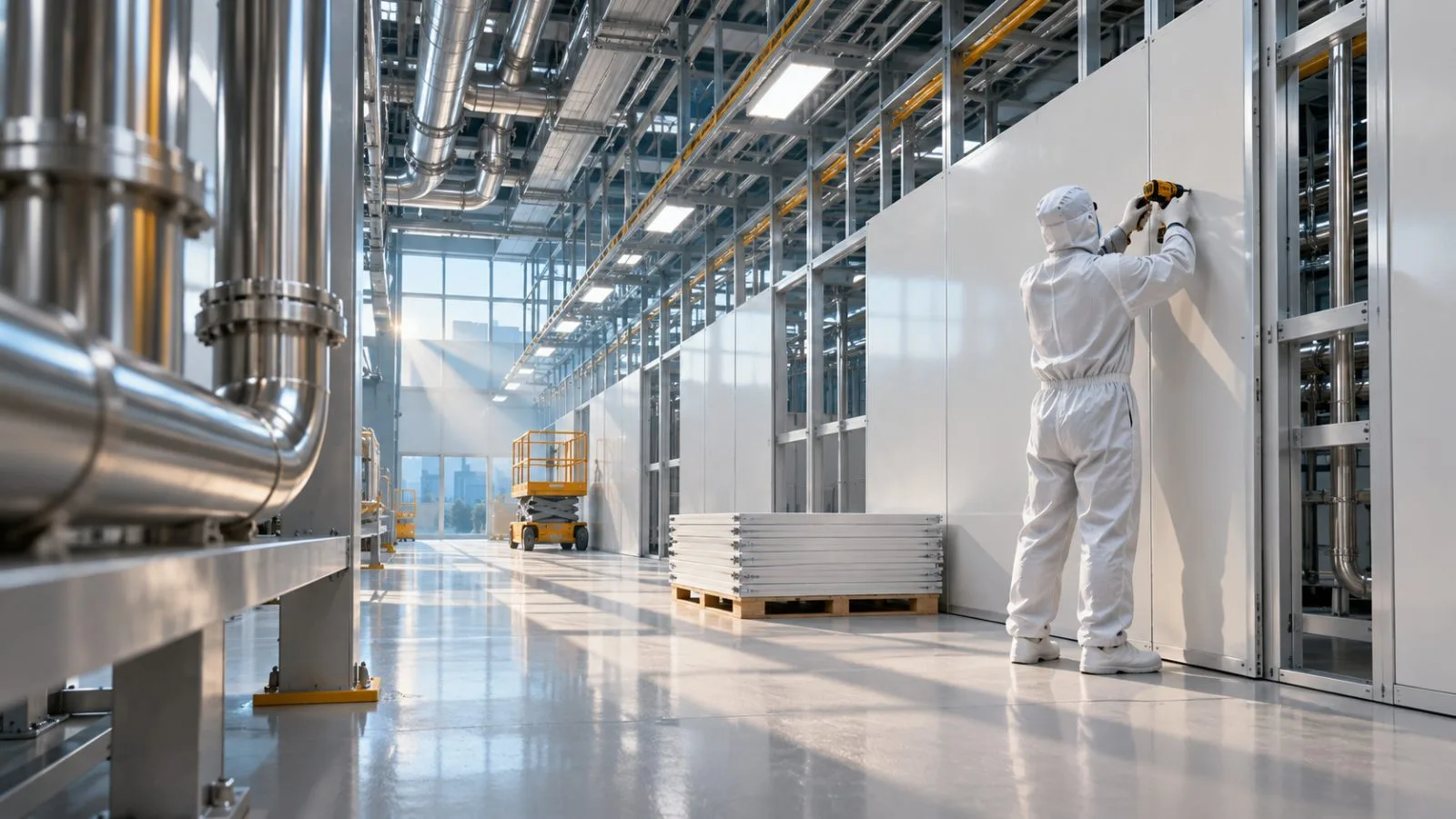
Winbond Electronics is targeting extreme ultraviolet lithography for a second-generation 14-nanometer process by 2030, General Manager Chen Peiming said, tying the technology plan to its Kaohsiung fab expansion.
Chen said the company’s 14-nanometer roadmap has two generations. The first will not use EUV; the second is targeted for introduction into mass production by 2030 if development succeeds.
Winbond has worked with ASML on EUV development for about three and a half years, Chen said. The company has sent staff for training, equipment trials and measurements as it prepares for the process work. Chen said ASML committed to delivering Winbond’s first EUV machine in about two years. Later machines currently have lead times of about three and a half years.
The plan is tied to the company’s Kaohsiung expansion. Winbond’s board approved NT$73.163 billion for the Module B project on Nov. 3. The approved spending covers construction, utility systems and some equipment with long delivery times. Fully equipping the facility is expected to require substantially more investment.
Construction is scheduled to start Dec. 29, 2026. Winbond aims to begin equipment installation within two years and start limited production in the second half of 2029. Module B is expected to begin making a significant contribution to capacity in 2030, with planned output of about 50,000 to 60,000 wafers per month. That would be roughly twice or more the capacity of the company’s existing Kaohsiung Module A.
The expansion comes as major memory producers reduce supplies of DDR3, DDR4 and LPDDR4. Chen said some customers are seeking long-term suppliers, including for new platforms that still use older memory standards. Automotive memory represents about 3% to 4% of the global memory market, and Winbond’s automotive products grew strongly in 2026.
Winbond’s next stated construction milestone is the planned Dec. 29 start at Module B.
Simon Yoon
ReporterSimon Yoon reports on blockchain technology for TokenPost. Send corrections or tips to info@tokenpost.com.