
 Add as a preferred source on Google
Trezor Confirms Three Safe 5 Implants, Urges CryptoBilis Buyers to Use New Seeds
Firmware 2.13.1 stops the identified implants from capturing data on updated devices. Trezor’s guidance covers CryptoBilis customers who bought from March 2026 onward.

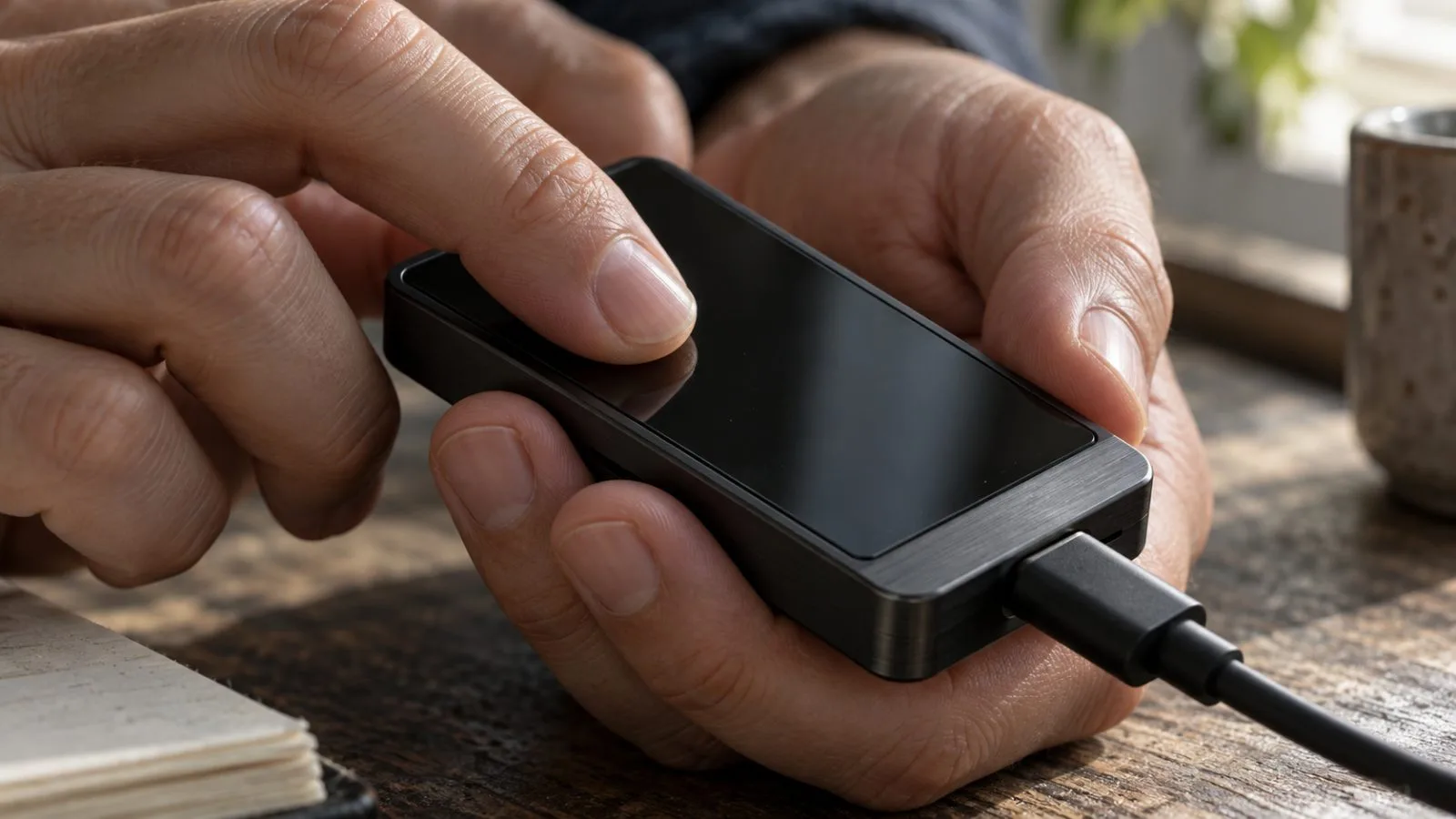
On Nov. 12, Trezor confirmed malicious implants in three Safe 5 hardware wallets sold through CryptoBilis and urged all customers who bought from the reseller since March 2026 to create new wallets with new recovery seeds.
The three devices were purchased from Aug. 20 to Sept. 23 through CryptoBilis’s Tokopedia and Shopee stores or direct sales. Trezor examined one in its lab and identified the other two from photographs provided by their owners.
Each implant was an added circuit board between the wallet’s main board and screen. Trezor said it could copy screen contents, including recovery words and any passphrase displayed, then encrypt and transmit the data over a mobile network. It could retry sending the data if the device was offline. The implant did not alter the wallet’s firmware or Secure Element. Trezor has not established whether data was captured or sent from any of the three devices.
Trezor released firmware 2.13.1 on Nov. 11. The update blocks the identified implants from capturing data on devices running it. “The update can’t protect a wallet backup that was captured before it,” the Trezor Team wrote.
The guidance applies to CryptoBilis customers who bought from March 2026 onward, not only owners of the three confirmed Safe 5 devices. Trezor advises them to create a wallet with a newly generated recovery seed and transfer their funds. Eligible customers can request a replacement device. Shipping constraints could mean they receive a different model, a refund or another arrangement. Replacing hardware while reusing the same seed would not address the possibility that the backup was copied earlier.
By Nov. 12, 48 CryptoBilis customers had contacted Trezor. The company said no customer had told it of lost funds. It also found no evidence of tampering in devices it checked from other regional resellers, though it did not disclose how many devices it examined.
Trezor said it reduced its reseller network by about 80% and will apply stricter sourcing, storage and access rules to the partners that remain. The confirmation follows the company’s earlier warning to CryptoBilis buyers, issued while the suspected implant had not yet been confirmed.
Simon Yoon
ReporterSimon Yoon reports on blockchain technology for TokenPost. Send corrections or tips to info@tokenpost.com.