
 Add as a preferred source on Google
Ethereum Agenda Adds Juicebox Compatibility to Glamsterdam Review
The Nov. 16 testing-call agenda listed compatibility concerns under EIP-8037 and EIP-8038 investigations. Simulations included a cash-out that finished without its 2.5% fee.


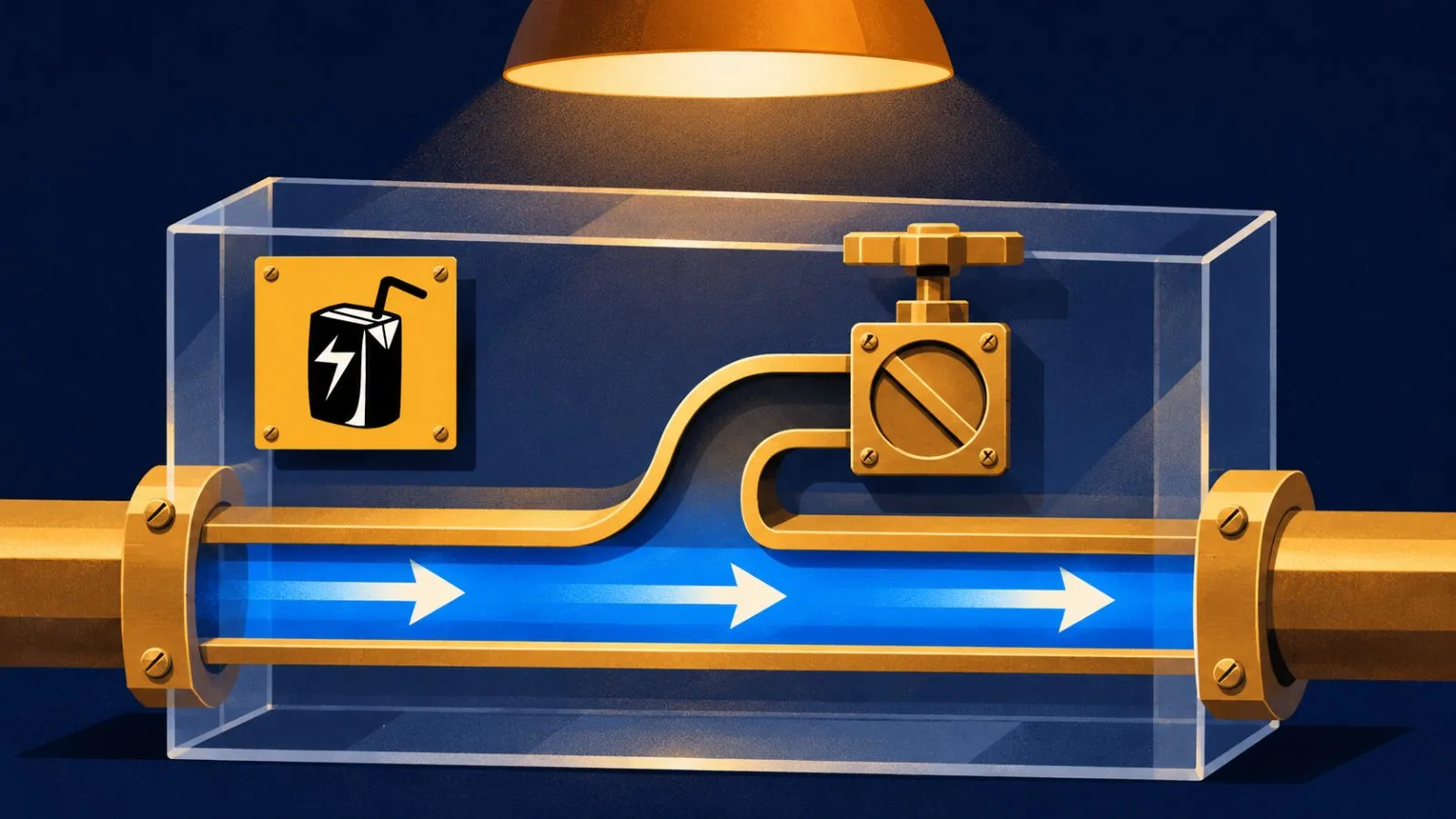
A Nov. 16 Ethereum testing-call agenda listed Juicebox compatibility concerns for a Glamsterdam review, putting proposed gas-cost changes and their effects on deployed contracts before developers.
The agenda grouped Juicebox issues with investigations of EIP-8037 and EIP-8038.
Developer known as mejango ran simulations of deployed Juicebox V6 contracts on Ethereum’s Sepolia test network Nov. 14. Juicebox V6 routes payments between projects. The tests started with newly launched and funded projects and varied transaction gas limits. Four paths allowed an overall action to finish while an internal payment failed or was skipped.
One route let a project payout finish without a split payment to another project, leaving the funds in the paying project. In another, a reserved-token distribution completed despite a failed cross-project transfer, and the beneficiary received tokens directly. An NFT buyer also kept the token after its related payment to another project failed. The cash-out route completed at gas limits from 679,622 to 817,622 without collecting its 2.5% fee.
Comparison simulations under current Ethereum mainnet rules ended in one of two ways: the transaction failed, or all payments were delivered. They did not produce the partial-payment outcomes seen under the proposed Glamsterdam rules.
In the tested paths, an internal payment that needed to write new blockchain data could run out of gas before the larger action. Juicebox’s try/catch error handling caught the payment failure, allowing the surrounding action to finish. The result was a completed contract action with an associated payment left undone.
EIP-8037 proposes higher costs for creating persistent blockchain data and changes the accounting for state creation and execution. EIP-8038 updates the costs of accessing and writing state. The agenda placed Juicebox compatibility concerns within investigations of both proposals.
The results are limited to the simulated paths and gas settings; independent developers have not reproduced them, and no live incident was reported. The Ethereum Foundation set Thursday, Nov. 19, for developers to discuss the findings and possible next steps.
Simon Yoon
ReporterSimon Yoon reports on blockchain technology for TokenPost. Send corrections or tips to info@tokenpost.com.