
 Add as a preferred source on Google
Bitcoin policy group expands into open-source AI, calls for user control of technology
The Finney Foundation for Open Technology is expanding beyond Bitcoin into open-source AI. Strategy head Andrew Bailey says people need legal protection for tools they can control and use themselves.


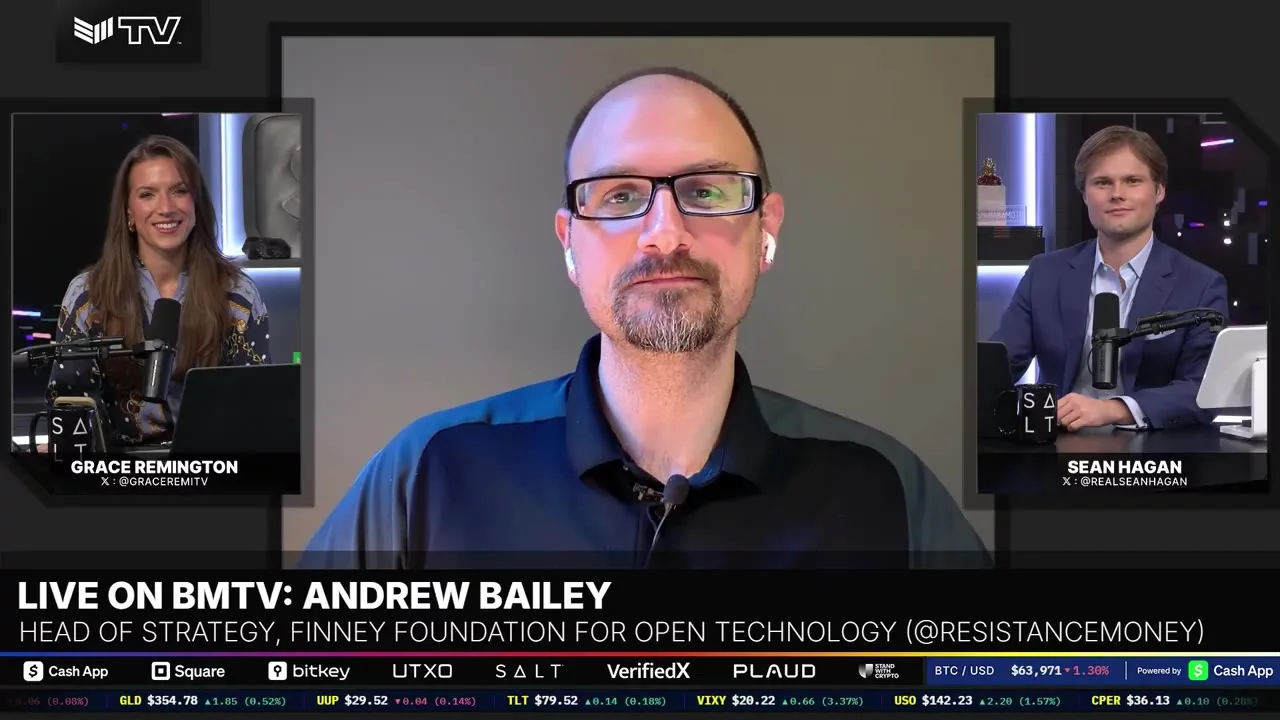
People should be able to control their own devices and data as technology policy expands to encompass both Bitcoin and open-source artificial intelligence, according to the Finney Foundation for Open Technology.
In a Nov. 17 interview with Bitcoin Magazine, Andrew Bailey, the foundation’s head of strategy, said the organization was broadening its work beyond Bitcoin and would seek legal protection for tools people can use and publish themselves.
Bailey said the case for Bitcoin extends beyond money to a broader desire for devices that let people run their own programs and control their data and messages. Running a Bitcoin node and sending money without permission, he said, reflect the same principle as running AI software on a personal device.
“We want machines not over us but for us,” Bailey said, adding that the idea of user control could attract support across the political spectrum and bring more attention to Bitcoin.
The foundation’s Bitcoin work will continue to grow, Bailey said. It has already allocated resources to Bitcoin programs for next year and supports researchers and experts who brief congressional staff and participate in its annual policy summit. He described the move as an expansion into other technologies.
Bailey said building public understanding of open-source technology should come first, alongside litigation and legislative work. He argued that the right to use and publish such tools deserves protection under the First Amendment.
Among the AI concerns he cited were competition with China, AI incidents and cybersecurity threats. He also said models with openly available weights can help identify and fix vulnerabilities in code.
The foundation is bringing in experts in robotics, space and biotechnology, Bailey said. Its fellows will be expected to communicate research through reports and shorter messages that can reach a wider audience and present an optimistic view of technology’s future.
Riza Dagoc
Riza Dagoc reports on regulation, investing and the digital-asset business for TokenPost. Send corrections or tips to info@tokenpost.com.