
 Add as a preferred source on Google
ULA Review Points to Fuel Delivery Behind Vulcan's Low Thrust
The initial assessment leaves the cause unresolved and does not implicate BE-4 engine performance.

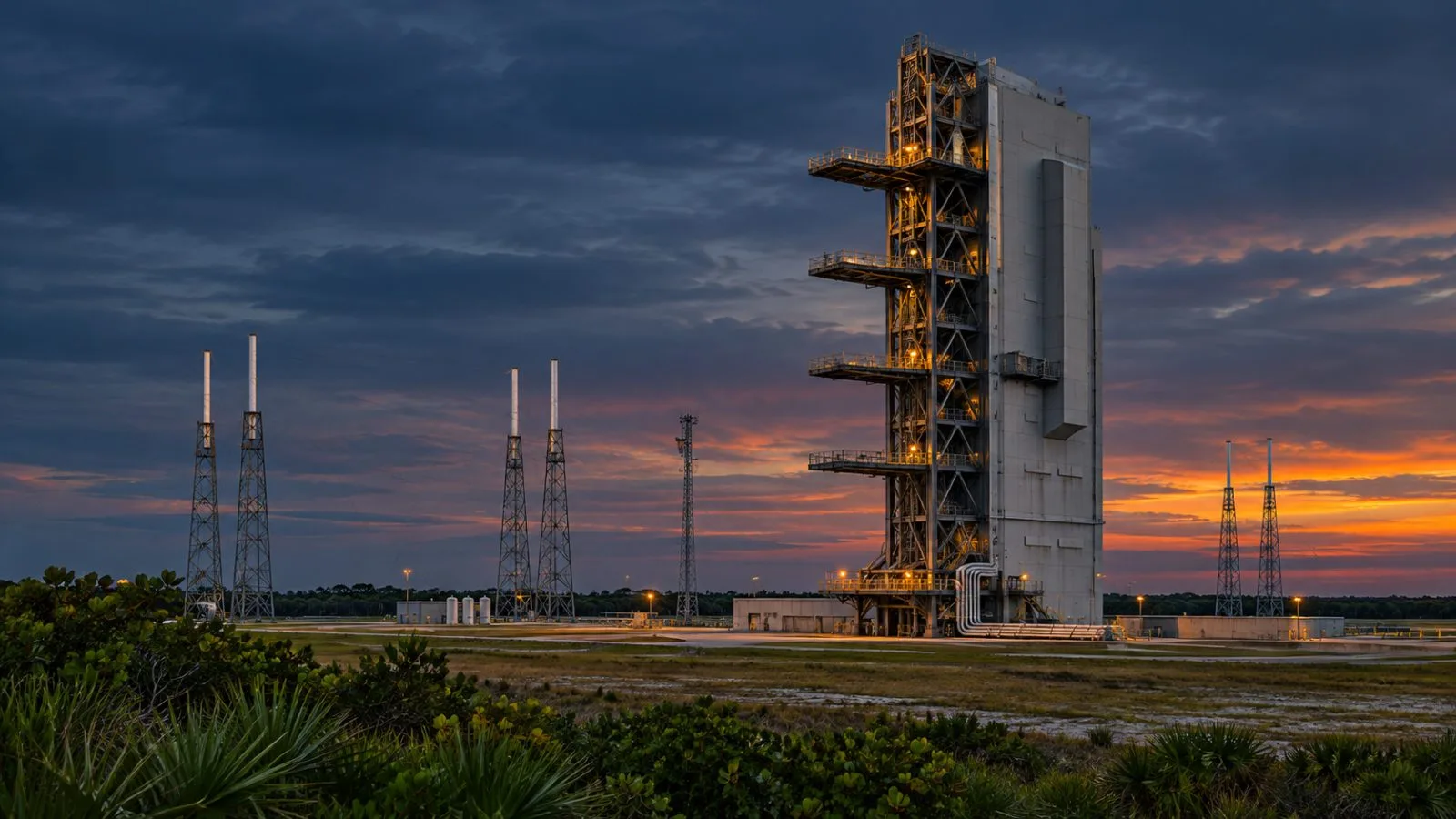
United Launch Alliance (ULA) said an initial review of flight data points to a fuel-delivery problem between Vulcan and its BE-4 engines as the reason the rocket’s booster produced too little thrust during Sunday’s failed launch. ULA said the assessment remains preliminary and investigators are continuing work to determine the cause. The review did not identify engine performance as the source of the shortfall.
The Leo 1 mission failed to place 40 Amazon Leo satellites in orbit. Vulcan lifted off at 12:40 p.m. ET Sunday from Cape Canaveral Space Force Station in Florida. The rocket remains grounded while ULA continues its investigation into the failed flight. Sunday’s failure was Vulcan’s first outright mission failure.
Blue Origin, which supplies Vulcan’s BE-4 engines, said its team worked with ULA on flight-data analysis and helped with the investigation. Blue Origin’s New Glenn rocket uses a related BE-4 version with slightly more power. The company said it looks forward to Vulcan’s return to flight.
Simon Yoon
ReporterSimon Yoon reports on blockchain technology for TokenPost. Send corrections or tips to info@tokenpost.com.