
 Add as a preferred source on Google
Power, Cooling and Network Capacity Constrain Enterprise AI Systems
At SC26, SHI International’s Jack Hogan said companies can obtain GPUs but may struggle to power and cool them as deployments scale toward data-center size.

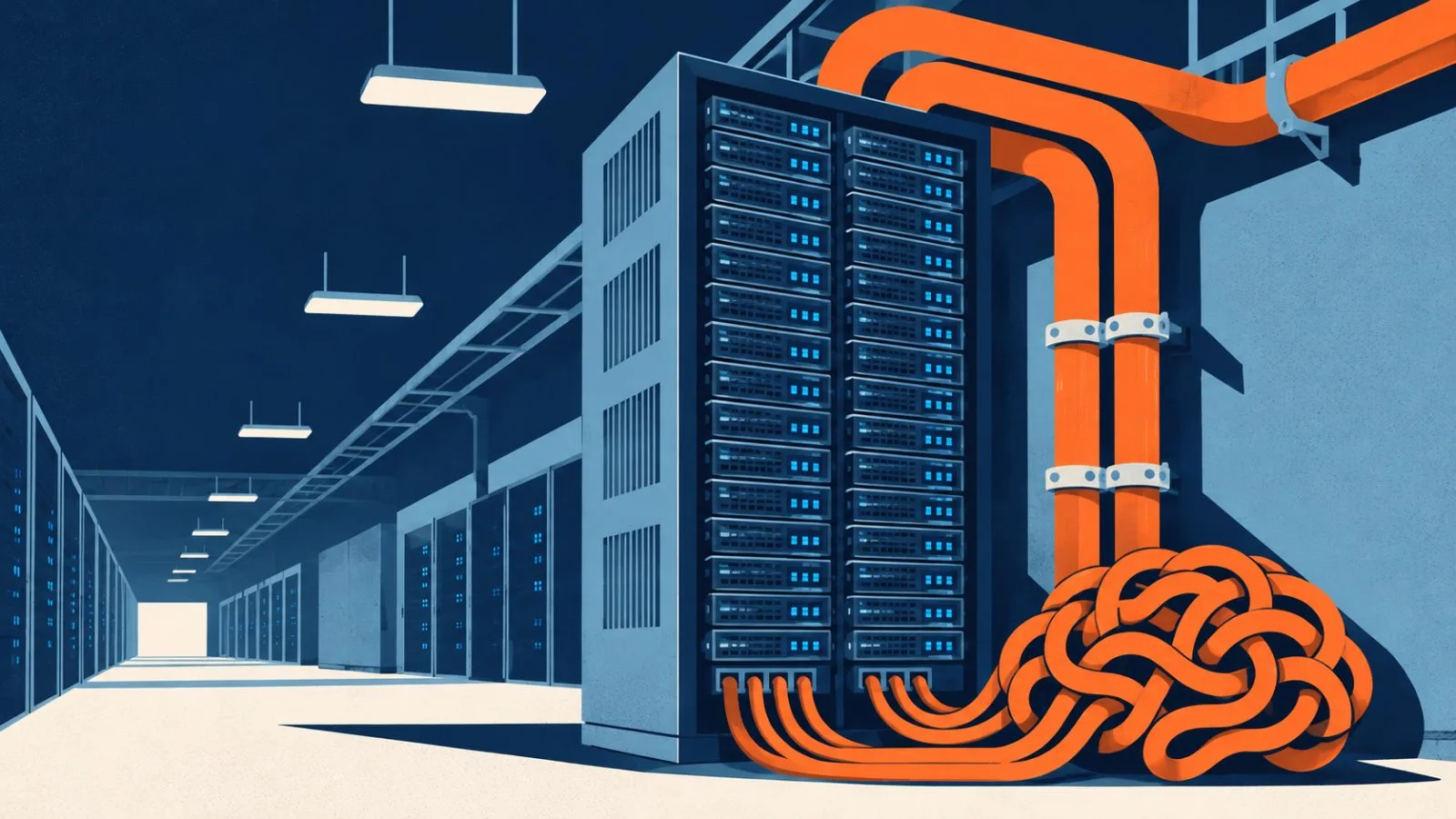
Power, cooling and network throughput shaped much of the high-performance computing and AI conversation at SC26, as enterprises scale systems from racks toward rows and data centers, SHI International Corp. executive Jack Hogan said.
Hogan, the company’s vice president of advanced growth technologies, said customers can obtain graphics processing units but struggle to power and cool them. He said procuring the equipment is only the start because the systems are expensive.
Rack densities that once topped out at about 10 kilowatts are on a path toward a megawatt, Hogan said. The shift is pushing companies to plan across computing, networking, storage and power infrastructure, with capacity increasingly measured in megawatts.
At edge sites, video input generates data that Hogan said must be processed where it is produced. Networks are “not necessarily the right way” to move that data elsewhere, he said.
Hogan said SHI begins engagements by identifying the business outcome a customer wants, then matching the task with a model, from frontier systems to smaller language models running on edge devices. SHI’s AI and Cyber Lab validates GPUs, newer CPUs, inference-specific chips and neural processing units.
Simon Yoon
ReporterSimon Yoon reports on blockchain technology for TokenPost. Send corrections or tips to info@tokenpost.com.