
 Add as a preferred source on Google
Black Friday-to-Cyber Monday Puts AI Shopping Agents Under Pressure
A Visa test found that 57% of 330 shopping trips produced a suitable purchase or recommendation, while only 23% of U.S. consumers trust AI with payments.

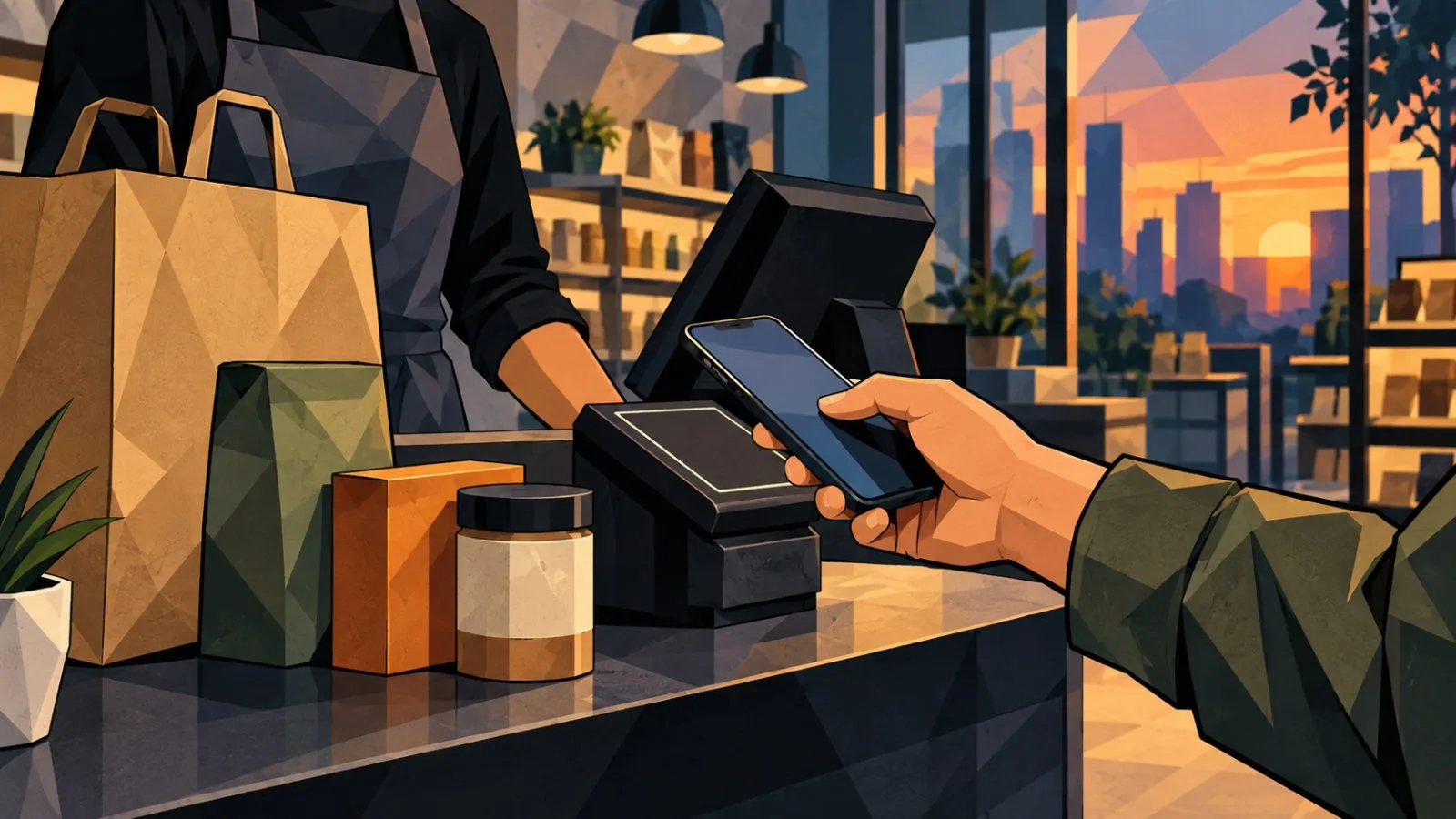
The Black Friday-to-Cyber Monday weekend is giving AI shopping agents their biggest holiday stage yet, but limited consumer trust remains a barrier to wider use of AI for checkout.
Visa tested 22 personal AI agents earlier this fall by assigning each 15 shopping trips for a television, laptop and hair appliance. Only 57% of the 330 trips produced a purchase matching the shopper’s needs or a suitable recommendation.
Some agents misunderstood preferences or failed to ask important questions, including whether a television supported gaming. The results underscore the limits of delegating purchases to systems that may not fully understand a shopper’s instructions.
Retailers are building infrastructure for agent-assisted commerce. Walmart partnered with Google and its Gemini assistant, while Target allows ChatGPT users to request product ideas and complete purchases through one checkout. Home Depot expanded its Magic Apron shopping assistant to all stores in August.
OpenAI also unveiled a Wallet that connects with American Express, Visa and Mastercard. The system allows AI agents to complete transactions within limits set by customers.
Consumer use of AI for shopping is growing. Fifty-four percent of adults have used AI for at least one shopping task, up from 47% the previous year, but only 23% of U.S. consumers trust generative AI to handle payment transactions for them.
Consumers are more willing to delegate low-cost purchases. Fifty-two percent are comfortable allowing an AI agent to buy household essentials and groceries, compared with 15% for electronics and appliances. Only 9% would let AI purchase gifts without reviewing them first.
Anna Marrs, group president for global Merchant & Network Services at American Express, said generative AI will play a larger role than agentic commerce during the 2026 holiday season.
“Consumers are using large language model tools to do a better job searching for what they want,” Marrs said.
Retailers are also taking different approaches to outside agents. Amazon blocked Meta’s Muse agent from shopping on its platform in September, while Walmart introduced infrastructure allowing third-party agents to connect with a shopper’s Walmart account.
The test highlights the gap between AI-assisted product discovery and reliable autonomous purchasing during high-demand shopping periods.
Retailers will be watching whether shoppers use AI mainly for discovery or allow agents to complete purchases. American Express plans to launch purchase protection for eligible customers when a registered AI agent makes a purchase inconsistent with authenticated instructions.
“It’s really going to grow at the speed of trust,” Marrs said.
Simon Yoon
ReporterSimon Yoon reports on blockchain technology for TokenPost. Send corrections or tips to info@tokenpost.com.