
 Add as a preferred source on Google
JERA Pursues AI Data Center Customers Near Japanese Power Plants
Creative’s expected 2027 TSMC allocation may not meet demand, while JERA is discussing power-linked data centers with major U.S. technology companies.

Creative Electronic (GUC) is expected to prioritize cloud-chip projects as limited advanced wafer capacity intersects with a global push to secure power, sites and financing for artificial intelligence data centers.
Creative’s expected 2027 3-nanometer wafer allocation from Taiwan Semiconductor Manufacturing Co. (TSMC) is set to rise significantly from 2026 but may still fall short of demand from its largest customers. The company is expected to prioritize Google’s Axion 2 and Axion 3 server processors and Microsoft’s custom-chip projects.
Creative also works with Tesla on its AI5 chip. Supply-chain expectations indicate that limited AI5 capacity in 2027 would first support Tesla’s Optimus humanoid robots. Large-scale introduction in mass-production vehicles could follow in 2028 after new capacity is released. Creative has not formally confirmed the allocation plans or timing.
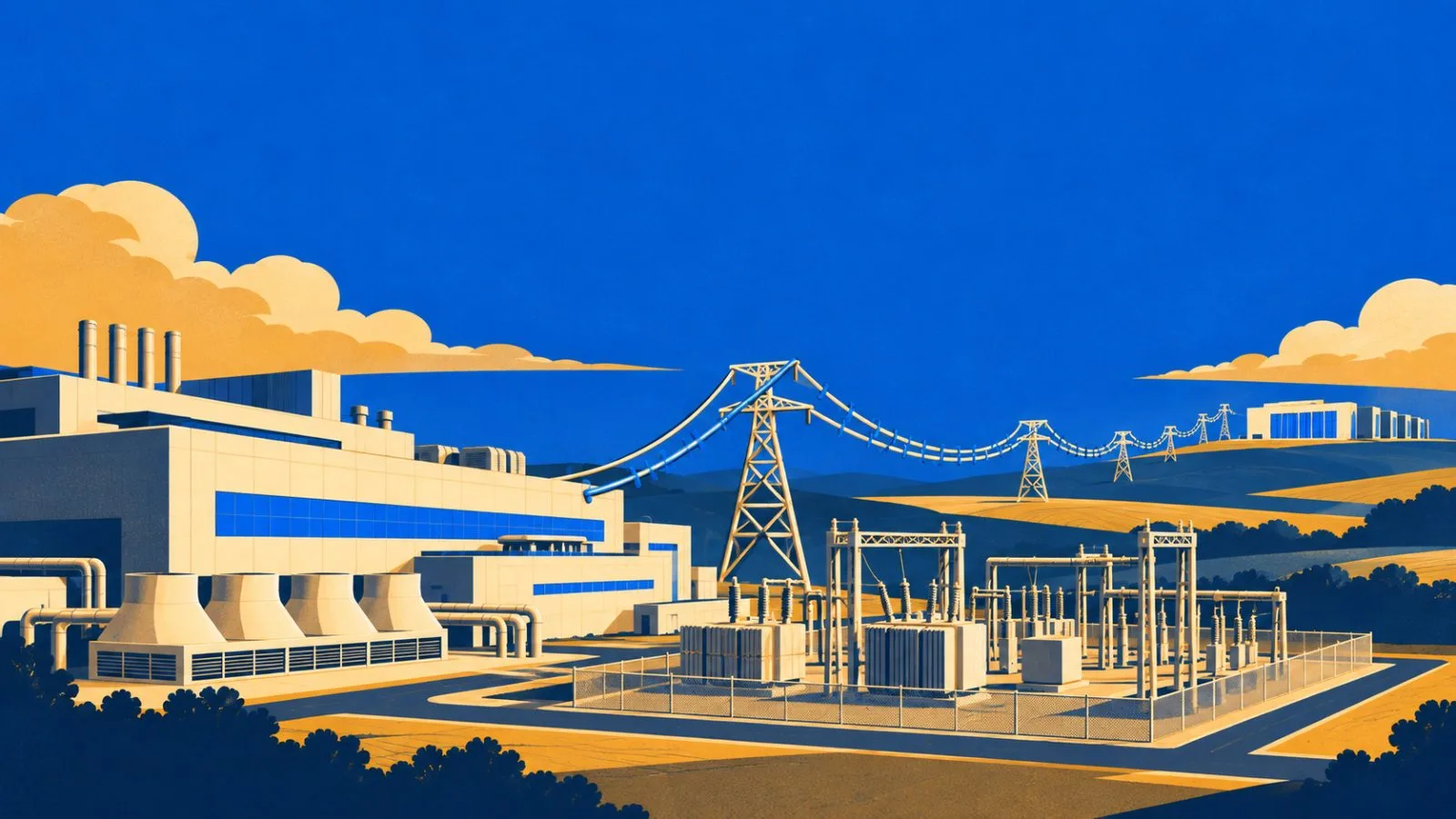
JERA, Japan’s largest power producer, is discussing data center construction near its Tokyo-area power plants with Anthropic, Meta, Amazon, Microsoft and Google. The talks have not produced publicly announced customer contracts. RHAELM is handling business development, and JERA understands the British AI infrastructure developer is speaking with multiple major cloud providers. RHAELM and several of the companies involved did not respond to requests for comment.
JERA previously signed memorandums of understanding with Dell and RHAELM to develop a nationwide AI infrastructure framework in Japan. The first project is planned near Chiba, close to Tokyo, with an estimated investment of about $15 billion.
The developments show how AI expansion depends on more than chip demand. Wafer allocations must support shipments, while data center projects need power access, suitable sites, construction progress and customer commitments.
The Bank of England expects large cloud providers to issue more than $305 billion in bonds in 2026, equal to about 8% of global investment-grade bond issuance. Including semiconductor companies and data center operators, AI-related companies are expected to raise more debt than several countries, including the United Kingdom.
AI investment is increasingly using bonds, private credit, joint ventures and special-purpose vehicles. Long-term purchase agreements, leases and guarantees can provide expected revenue and support project borrowing, while increasing financial links among technology companies, data center operators and investors.
In South Korea, Keppel said KT Cloud has committed to lease the full 60 megawatts at a data center under development in Ansan. The project has received construction and power approvals, will include liquid-cooling infrastructure for high-density GPU computing and is targeted to be ready for service in 2030.
Simon Yoon
ReporterSimon Yoon reports on blockchain technology for TokenPost. Send corrections or tips to info@tokenpost.com.